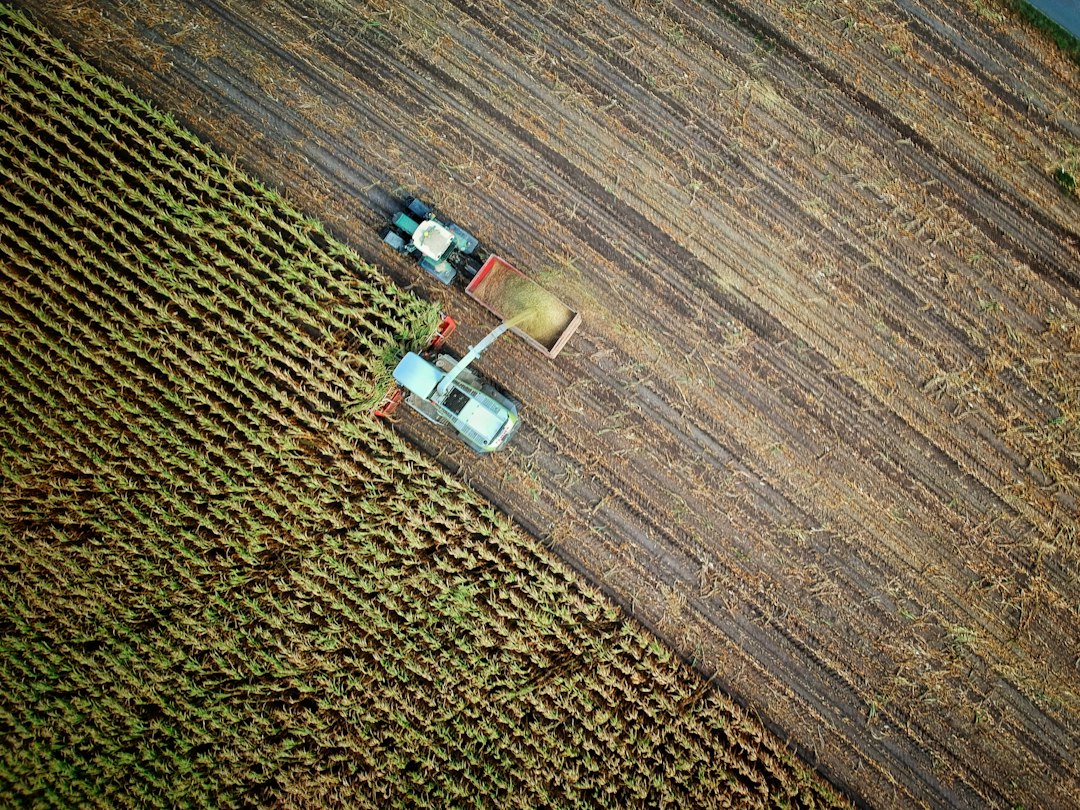
What is Pesticide, Which We Constantly Hear About?
Pesticide is the general name for chemical or biological substances used to prevent, control, eliminate, or reduce the damage of unwanted organisms (pests) such as insects, weeds, fungi, and rodents that harm agricultural products. In everyday language, they are commonly known as “agricultural chemicals.”
Main Types of Pesticides
Pesticides are divided into different subgroups based on the type of organism they target:
1. Insecticides: Used against harmful insects and pests.
2. Herbicides: Used to eliminate unwanted weeds in agricultural areas.
3. Fungicides: Used against fungal species that cause diseases in plants.
4. Rodenticides: Used to control rodents such as mice and rats.
5. Acaricides: Effective against spiders and mites (ticks, etc.).
6. Bactericides: Used against bacterial diseases in plants.
Effects of Pesticide Use
While pesticides offer some practical benefits for agriculture and public health, they pose serious risks to ecological systems and human health.
Advantages
- Increased Yield: Protects crops from pests, increasing agricultural productivity and crop yield.
- Disease Control: Protects public health by controlling mosquitoes or other pests that transmit diseases like malaria.
- Economic Benefit: Reduces food production costs by lowering damage rates, making food more accessible.
- Rapid Intervention: Quickly stops the spread of invasive species in agricultural areas.
Disadvantages
- Environmental Pollution: Pollutes the ecosystem by leaving residues in soil, groundwater, and air.
- Health Risks: Consumption or inhalation of food with residues can lead to toxic effects, carcinogenic conditions, and poisoning in humans.
- Harm to Beneficial Organisms: Kills not only the targeted pests but also beneficial organisms for the ecosystem, such as bees and and birds.
- Development of Resistance: Causes harmful organisms to develop genetic resistance to these chemicals over time.
Organic Farming
Organic farming (also known as ecological or biological farming) is a form of agricultural production carried out without harming human health and the environment; without the use of synthetic chemical agricultural pesticides (pesticides), artificial fertilizers, genetically modified organisms (GMOs), antibiotics, and growth hormones.
In this method, every stage from production in the field to packaging and reaching the consumer is inspected and certified by authorized independent organizations.
Core Principles of Organic Farming
Organic farming is not just about “not using chemicals,” but about establishing a holistic system in harmony with nature:
1. Preserving Natural Balance: Aims for environmentally friendly production without disturbing the ecological balance in nature.
2. Soil Health: Instead of instantly increasing soil fertility with chemicals, it improves soil structure in the long term with natural methods such as crop rotation, green manure, and compost.
3. Biodiversity: Opposes monoculture. Supports diversity by protecting the habitats of beneficial insects, birds, and microorganisms.
4. Certification: For a product to be considered organic, it is not enough for it to be “natural” or a “village product”; it must be inspected and certified (logo) according to international or national standards.
What is Used Instead of Chemicals?
In organic farming, natural and ecological methods replace the chemicals used in conventional farming to increase yield or eliminate pests:
* Instead of pesticides: “Biological control” comes to the forefront in pest management. For example, ladybugs are released into fields to eat aphids. Natural plant extracts such as garlic, nettle, or neem tree oil are used.
* Instead of artificial fertilizers: Farm manure obtained from animal waste, compost obtained from the decomposition of plant waste, or planting nitrogen-fixing plants (clover, vetch, etc.) and mixing them into the soil (green manuring) are preferred.
* Instead of herbicides: Physical methods such as hoeing, hand-weeding, and covering the soil surface with organic materials (mulching) are used.
Global Leadership in Organic Farming
Leadership in the world of organic farming varies depending on how you look at the topic (history, acreage, market):
* Historical Pioneers: The philosophical and practical foundations of organic farming were laid in the early 20th century in the UK (Sir Albert Howard), Germany/Austria (Rudolf Steiner’s biodynamic farming), and the USA (J.I. Rodale).
* Most Organic Land: Australia is by far the first in terms of the size of land allocated to organic farming worldwide. The main reason for this is that the country’s vast livestock pastures are organically certified.
* Largest Market (Consumption): The USA is the country with the highest consumption of organic products and the largest market in the world. It is followed by Germany, and then France in third place.
* Proportional Leadership: When looking at the share (percentage) of a country’s total agricultural land allocated to organic farming, countries like Austria, Switzerland, and Liechtenstein lead. For example, Austria is a true global leader in this field, cultivating more than 25% of its total agricultural land organically.
Leave a Reply