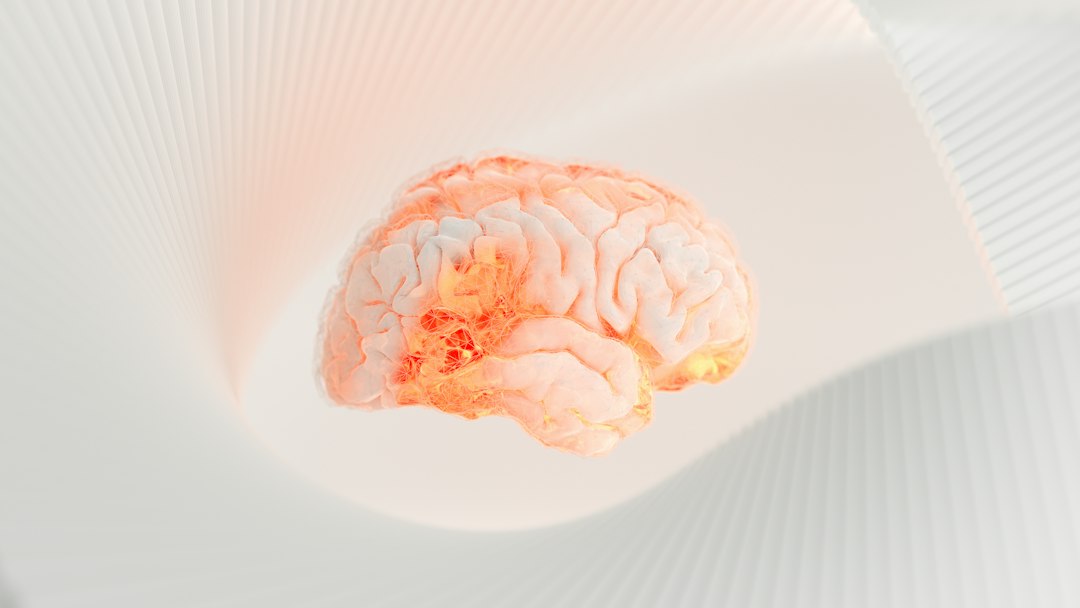
There is a biochemical link between carbohydrate consumption and the feeling of happiness.
Here are the main reasons behind this situation:
Serotonin Connection
When you consume carbohydrates like pasta, your body releases insulin. This process allows the amino acid called Tryptophan to pass into the brain more easily. The tryptophan that enters the brain is the raw material for the production of serotonin, also known as the “happiness hormone“. When serotonin levels increase, we feel more peaceful, calm, and happy.
Blood Sugar and Energy
Carbohydrates are the body’s primary energy source. A balanced rise in blood sugar (especially as in whole wheat pasta) provides the fuel the brain needs, which can reduce mental fatigue and improve mood.
Psychological and Cultural Factors
As stated in the text in the visual, it’s not just about chemistry:
1. Comfort Food: Pasta is often associated with childhood memories, crowded family tables, and warmth.
2. Feeling of Satiety: Starchy foods fill the stomach, creating a long-lasting feeling of fullness and security.
A Small Note
For a feeling of happiness, it is healthiest to consume pasta in moderation and, if possible, in an “al dente” (under-cooked) or whole wheat form, which has a lower glycemic index. Too many refined carbohydrates can cause sudden sugar ups and downs and make you feel tired afterwards.
So, how do fatty foods make us feel?
The feelings that fatty foods create in us are like a “double-edged sword“. While they provide incredible pleasure with the first bite, they can cause feelings of regret or heaviness after a while.
Here are the effects that fatty foods create in our body and mind:
Short-Term Pleasure: “Reward Center”
Fatty foods trigger the release of dopamine (pleasure and reward hormone) in our brain. Evolutionarily, since our ancestors needed high-energy (fatty) foods to survive during periods of scarcity, our brain still perceives these types of foods as a “success” or “reward“. That’s why we take great pleasure in eating them.
Intense Satiety and Calming
Fat is the food group that leaves the stomach latest. This means:
1. Stomach fullness: It makes you feel full for a long time.
2. Calming: As fatty foods are digested, the body directs all its energy to the stomach, which can make you feel more sluggish and calm (sometimes sleepy).
“Food Coma” (Feeling of Heaviness)
Usually, a sleepy state and heaviness come 30-60 minutes after a very fatty meal. The reason for this is that the body pumps a lot of blood to the digestive system to break down that intense fat. As the blood flow to the brain slightly loses its priority, concentration drops, and the feeling of “a weight has fallen upon me” begins.
Regret and Physical Discomfort
If the fat quality is poor or the quantity is excessive:
1. Heartburn/Acidity: Fat can relax the stomach valve and cause acid reflux.
2. Bloating: Because digestion is difficult, you might feel “like you’re about to burst“.
3. Emotional Downturn: After the wave of pleasure passes, a feeling of guilt can arise, especially in those on a diet or trying to eat healthily.
Conclusion
Carbohydrates (like pasta) make us feel more “cheerful” via serotonin, while fatty foods make us feel more “pleasure-oriented and heavy” via dopamine.
Leave a Reply