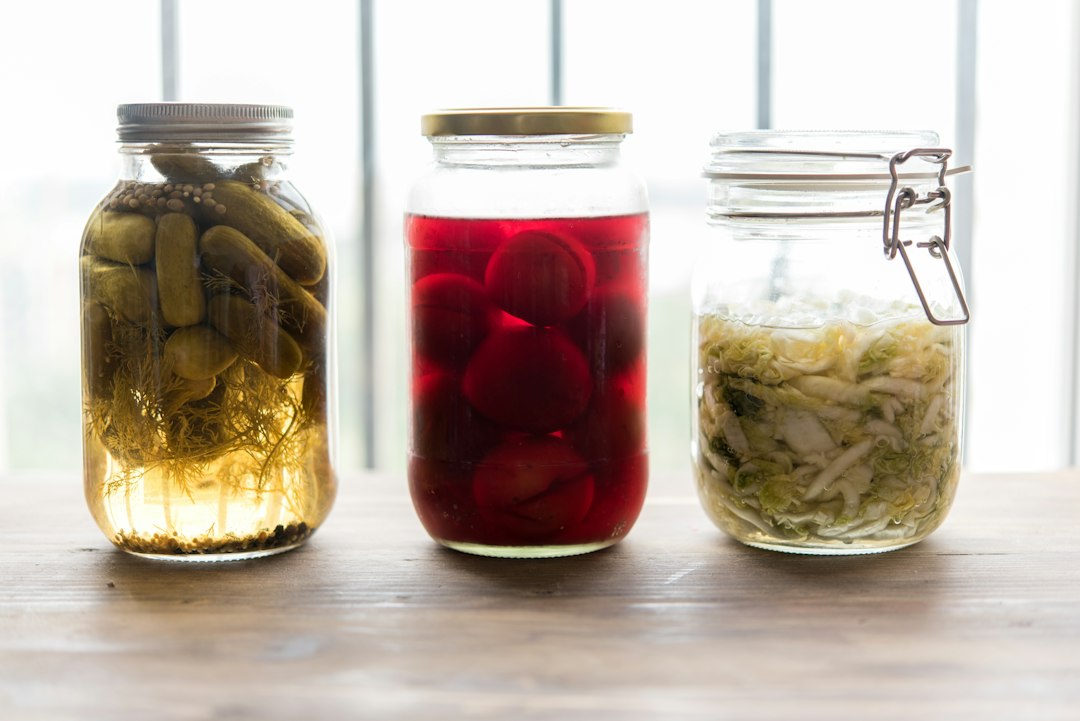
To achieve hormone balance, it is necessary to consume foods that support the endocrine system’s essential building blocks and metabolic processes.
Key Food Groups for Hormone Balance
1. Healthy Fats (Omega-3 and Cholesterol)
Salmon, avocado, extra virgin olive oil, and walnuts provide essential lipids required for the synthesis of steroid hormones such as testosterone and estrogen.
2. Cruciferous Vegetables
Broccoli, cauliflower, Brussels sprouts, and cabbage, thanks to the diindolylmethane (DIM) compound they contain, help the body break down and excrete excess estrogen in the liver.
3. High-Fiber Foods
Oats, lentils, beans, and flaxseed stabilize blood sugar and, consequently, insulin release; they also ensure that waste hormones are removed from the body without being reabsorbed from the intestines.
4. Quality Proteins
Eggs, lean meat, and quinoa provide essential amino acids necessary for the production of peptide hormones like insulin and growth hormone.
5. Fermented Foods
Kefir, homemade yogurt, and sauerkraut, as probiotic sources, regulate the gut microbiome and support the healthy functioning of hormone metabolism.
Are Commercially Sold Kefirs Healthy?
Plain kefirs sold commercially are generally a healthy and practical probiotic source, but there are fundamental differences in their microbiological structure compared to traditionally fermented kefirs.
- Probiotic Diversity: Industrial kefirs are produced with powder cultures consisting of a few selected bacterial strains in a laboratory environment, instead of live kefir grains (cauliflower-like holistic culture), to achieve the same standard taste in every production and extend shelf life. This limits the wide variety of bacteria and yeast offered by traditional fermentation.
- Added Sugar and Flavors: Almost all fruity or flavored commercial kefirs contain high amounts of refined sugar. This added sugar suppresses the beneficial effect of probiotics on the gut flora and disrupts insulin balance.
- Milk Quality and Processing: Milks used in commercial production undergo intense pasteurization processes for shelf life. These processes can alter the milk’s natural enzyme structure, slightly reducing its digestibility and nutritional value.
Plain, unsweetened, and cold-chain-sold commercial kefirs are a beneficial support for gut health in daily nutrition. However, homemade production with live kefir grains, where you personally control the fermentation process, always offers a biologically more active and richer profile.
What Are Other Probiotic Sources?
Besides kefir, there are many powerful probiotic sources obtained through natural fermentation processes that enrich the gut flora.
- Kombucha Tea (Kombucha): Obtained by fermenting tea and sugar with SCOBY (symbiotic culture of bacteria and yeast). With its acidic and slightly fizzy profile, it can be consumed directly, or it can function as a complex acidity balancer in umami-focused beverage formulations or mixtures prepared with botanical syrups.
- Traditional Pickles (Cabbage and Kimchi): Pickles produced by lactic acid fermentation (lacto-fermentation) using only salt and water instead of vinegar are serious probiotic sources. Especially German-style Sauerkraut (plain cabbage pickle) and Korean-style Kimchi stand out with their Lactobacillus bacteria content.
- Tarhana: One of the most important probiotics of traditional Turkish cuisine. It is obtained by fermenting yogurt, flour, and various vegetables for up to 21 days, then drying them; its probiotic value increases as the fermentation period lengthens.
- Live Vinegars (Containing Mother of Vinegar): Unpasteurized, unfiltered by industrial processes, natural apple or grape vinegars with sediment and “mother of vinegar” at the bottom contain beneficial acetic acid bacteria.
- Homemade Yogurt: Unlike commercial yogurts, yogurts fermented traditionally at home for an extended period, especially with traditional culture, are very rich in Lactobacillus bulgaricus and Streptococcus thermophilus strains.
Read more · Life & Health
 Is Car-Free Day a Global Event?
 Those who cannot lose weight despite eating little; have you heard of basal metabolism?
 Were artificial nails invented for nail-biters?
 The “Teeth” Secret Behind Longevity: Seedorf and the Milan Lab Legend
 Is Spaying/Neutering Cats Healthy?
 How Do Panic Attacks Start?
 Roseto Town; No Deaths from Heart Attack Under 55
 The Solution to Cats Chewing Things; Citrus.
 Australia Determined the World’s Ugliest Color
 Does Intimacy Affect Hair Health? The Hormone Connection
 Why Does the Scent of Perfumes We Spray Disappear from Us So Quickly?
 Does Eating Pasta Make Us Happy?
Leave a Reply