
Although Denmark has not been directly threatened by an all-out war by a state since major invasions in its history (especially World War II), it has faced different types of serious security threats and diplomatic crises in recent history.
Current Threats Faced by Denmark
Here are the most important and current threat categories that Denmark has been subjected to:
-
Russia and Baltic Sea Tensions (Current)
Especially in the process that started with Russia‘s invasion of Ukraine in 2022, Denmark (as a NATO member) has been repeatedly “indirectly” threatened by Russia.- Nuclear Threat: In 2015, Russia‘s Ambassador to Denmark stated that if Denmark were to join the NATO missile defense system, Danish warships could become targets for Russian nuclear missiles.
- Cyber Threats: The Danish Defence Intelligence Service frequently emphasizes that Russian-sourced cyber attacks and espionage activities constitute the biggest active threat.
-
Cartoon Crisis (2005-2006)
This is one of the periods in Denmark‘s modern history when it felt the most concrete and widespread “threat”. Following the publication of cartoons of Prophet Muhammad in the Jyllands-Posten newspaper:- Danish products were boycotted in the Middle East.
- Danish embassies were attacked.
- Organizations like Al-Qaeda openly targeted Denmark, threatening terrorist attacks.
-
Terror Threat
The Danish Intelligence Service (PET) has long maintained the country’s terror threat level at “Serious” (level 4). Especially after the Quran burning incidents, threats of attacks from radical groups increased in 2023 and 2024. -
Historical Turning Point: April 9, 1940
The last major and realized threat to Denmark‘s existence occurred during World War II by Nazi Germany. Germany invaded Denmark with “Operation Weserübung“, and the Danish government surrendered within a few hours to prevent destruction.
Changes in Denmark After World War II
World War II was a major turning point for Denmark. The country, occupied by Nazi Germany on April 9, 1940, completely changed both its foreign policy and economic structure after the war.
Here are the main changes experienced in Denmark after the war:
-
Abandonment of Neutrality Policy
Denmark had tried to remain neutral in World War II, as it had in World War I, but this time it was occupied. This experience proved that Denmark‘s “neutrality” strategy was not protective for a small country.- Founding Membership in NATO (1949): Denmark joined the Western bloc to ensure its security and became one of the founding members of NATO.
- United Nations: In 1945, it was among the founding members of the UN.
-
Economic Miracle and Welfare State
After the war, Denmark faced serious difficulties along with the devastated European economy, but it recovered quickly with Marshall Plan aid.- From Agriculture to Industry: The country’s economy evolved from its traditional agriculture-oriented structure to high-tech industry and the service sector.
- Golden Age (1960s): The 1960s was a period for Denmark when economic growth peaked, unemployment was almost zero, and the foundations of today’s developed “welfare state” model (free education, healthcare, and social security system) were laid.
-
European Union Process
To avoid being left out of economic integration, Denmark joined the European Economic Community (today’s EU) on January 1, 1973 (along with the UK and Ireland). However, the Danish people have always maintained a distant stance towards European integration.- Special Exemptions: Denmark obtained special exemptions (opt-outs) by abstaining from some fundamental issues such as Euro usage, common defense, and EU citizenship.
-
Greenland and Arctic Strategy
While Denmark was under occupation during the war, American military bases were established in Greenland through an agreement with the USA. Throughout the Cold War, Greenland became a strategic outpost (Thule Air Base) for the USA. This situation increased Denmark‘s geopolitical importance. -
Bornholm Island Issue
As an interesting detail at the end of the war; although Germany surrendered, the German commander on Bornholm Island refused to surrender to the Soviets, whereupon the Soviets bombed and occupied the island. Soviet soldiers remained on the island until 1946, and Denmark was only able to regain full control of its territories after this date.
Related reading
 HistoryThe Battle of Los Angeles in 1940
 HistoryThe Radio Broadcaster Who Tried to Demoralize American Soldiers During the Vietnam War and Other War Stratagems
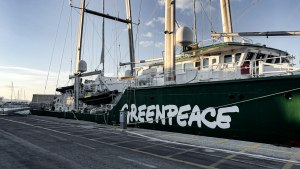 HistoryFrance Sinks Greenpeace’s Ship
 Drinks & foodsFanta’s Emergence in World War II
 HistoryEugenics: From America to Nazi Germany
 Drinks & foodsSwedish Meatballs and the Ottomans
 HistoryHitler’s Missing Grave
 HistoryA Seafaring Legend; Drinking Beer from a Body-Filled Barrel
Read more · History
 Steve Jobs’s Drug Use in His Youth
 AD 17 Lydia Earthquake
 Is Monaco a Country?
 Rescue of Jews Exiled from Spain by the Ottoman Empire
 Stalin’s Photo Manipulation Practices
 Marco Polo: Venetian Explorer and Traveler
 Bees and the Invention of Paper
 The World’s Oldest Perfume House
 Divorce by Combat in the Middle Ages
 The Global History of Cannabis Prohibition
 The Story of Achmet Borumborad, the Fake Turkish Doctor in Ireland
 The Timeless Legacy of Tattoos: Stories Etched on Skin
Leave a Reply