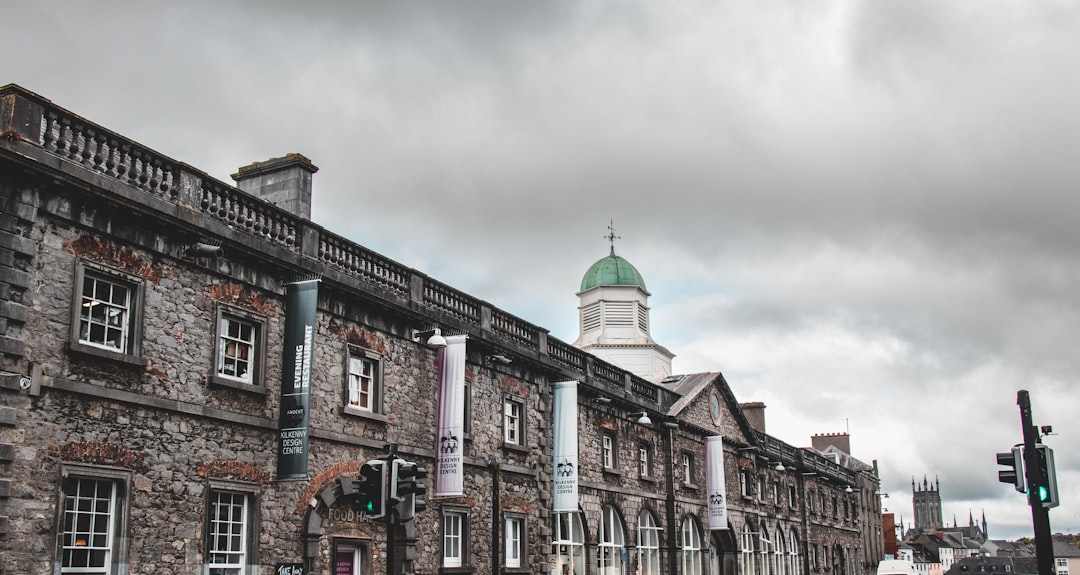
Dr. Achmet Borumborad (or simply Dr. Achmet, as he was sometimes called) was a medical charlatan who operated in Dublin, the capital of Ireland, between 1769 and 1786. Although he was actually an Irishman born in Kilkenny, he managed to convince Dublin society and the elite medical community of the time that he was “a noble Turkish doctor who had fled Constantinople.”
His Style and Impact
Appearance: With his height of over 1.85 meters, a massive black beard, flamboyant Ottoman attire, and a large turban on his head, he garnered enormous attention as the “first Turk” walking the streets of Dublin.
Persuasiveness: He played his role so perfectly, speaking English with only “a slight accent,” that he convinced even Dublin’s leading surgeons and members of parliament that he was truly a noble Turk.
The “Turkish Bath” Funded by the Irish Parliament
The real project of this fake character was to establish a public bath facility in Dublin using hot and cold seawater. Using his exotic appearance and fabricated medical background, he managed to secure a significant grant from the Irish Parliament to construct these facilities on the banks of the River Liffey. His baths became so popular that he boasted of admitting over 1,900 people to his facilities in the 1776 season alone.
The trend he initiated is considered an early precursor to the famous Lincoln Place Turkish baths, which were mentioned years later (in the 1860s) in works like James Joyce‘s Ulysses.
Were There Baths Before Him?
Yes, absolutely. In fact, Ireland had its own unique and quite ancient sweating culture that predated Dr. Achmet‘s lavish and fabricated “Turkish baths” by a long shot.
The situation in Ireland before Dr. Achmet brought his luxury facilities to the center of Dublin in the 1770s was broadly as follows:
1. Ancient Irish Sweat-Houses: “Teach Allais”
In Ireland, the most primitive and local form of sauna or bath was found in stone structures called “Teach Allais” (meaning “Sweat-House” in Irish).
- History: While their exact origin remains a mystery (some historians claim Christian missionaries brought them in the Early Middle Ages, others argue for Viking influence), these structures are known to have been used in rural areas for hundreds of years (at least since the 1600s).
- Structure: These were typically small stone huts, built into hillsides near rivers or streams, windowless, domed, and resembling beehives.
- Usage: Inside, peat (turf) or wood was burned to thoroughly heat the stones, then the ashes were removed, and water was poured inside to create dense steam.
- Purpose: Unlike Dr. Achmet‘s baths, they were not intended for socializing or luxury; they were entirely healing-oriented. Patients suffering from rheumatism, lumbago, feverish illnesses, or sciatica would enter these stone rooms and sweat for hours, then immediately jump into the cold stream outside to shock their bodies.
2. Healing Water Wells and Early Spas
In 18th-century Europe and Ireland, belief in the healing power of mineral waters and seawater was widespread. Even before Dr. Achmet appeared, people would visit natural wells around Dublin or simple facilities along riversides to bathe and seek healing. In fact, before his major project, Dr. Achmet himself operated small-scale “pump rooms and baths” around these local healing water sources in the Finglas area of Dublin.
So, What Was Dr. Achmet’s Difference?
If Ireland already had a sweat-house and healing bathing culture, why did Dr. Achmet cause such a stir and manage to raise enormous sums of money?
- From Rural to Urban, From Need to Luxury: The local “Teach Allais” structures were rural, cramped, and primitive places for sweating. Achmet, however, established a huge complex in the heart of Dublin (Bachelor’s Walk), with hot and cold pools, luxurious architecture, where members of parliament and the wealthy could socialize.
- Marketing Genius: During that period in Europe, Ottoman and Eastern culture was considered extremely mysterious, exotic, and luxurious. Instead of offering a mundane bath to the Irish, Achmet marketed it as a brilliant vision with the packaging of “A Turkish Bath fit for Palaces,” complete with his huge turban and fake story.
Did He Communicate with Other States?
Dr. Achmet Borumborad (whose real name was Patrick Joyce, an Irishman) did not have any official or diplomatic communication with the Ottoman State because he was operating under a false identity. After all, he was not a political refugee fleeing Istanbul, but an adventurer from Kilkenny.
However, thanks to his fabricated identity and commercial acumen, he did have noteworthy international correspondence and connections. The diplomatic and international dimension of the affair is as follows:
1. Correspondence with the British Ambassador in Spain
Dr. Achmet was not just a bathhouse operator, but also an entrepreneur engaged in international trade. He had been invited to provide his opinion to the Irish Parliament during a crisis in the Portuguese linen trade. While engaging in the highly profitable linen trade during this period, he communicated directly with Lord Grantham, the British Ambassador in Spain.
In a letter to Lord Grantham, he even spoke with praise (and probably with a smirk) about the interest shown to him by Dublin’s high society and the great fortune and respect he had received in Ireland “as a foreigner.”
2. A Letter Written on His Behalf to King George III (1772)
Dr. Achmet had increased his influence in the Irish Parliament so much that top-level state officials became international references for him. On October 2, 1772, George Townshend, the Lord Lieutenant of Ireland, wrote an official letter to the secretary of King George III in London.
In this letter, the Lord Lieutenant stated that all leading doctors and surgeons in Dublin approved these baths and requested a special “royal patent” (privilege) from the King for Dr. Achmet‘s facilities.
3. Real Overseas Experience: Ottoman Lands
Historians have always wondered how Patrick Joyce managed to create such a perfect imitation of a “Turkish doctor,” how he knew the attire and mannerisms so well.
The general consensus is that before embarking on this grand deception, Joyce worked as a sailor on a merchant ship and traveled to the Ottoman Empire (especially to the port of İzmir/Smyrna). He learned the basics of the language, the style of clothing, and bath culture by observing them firsthand in Ottoman lands, and upon returning to Ireland, he transformed these observations into a million-pound project.