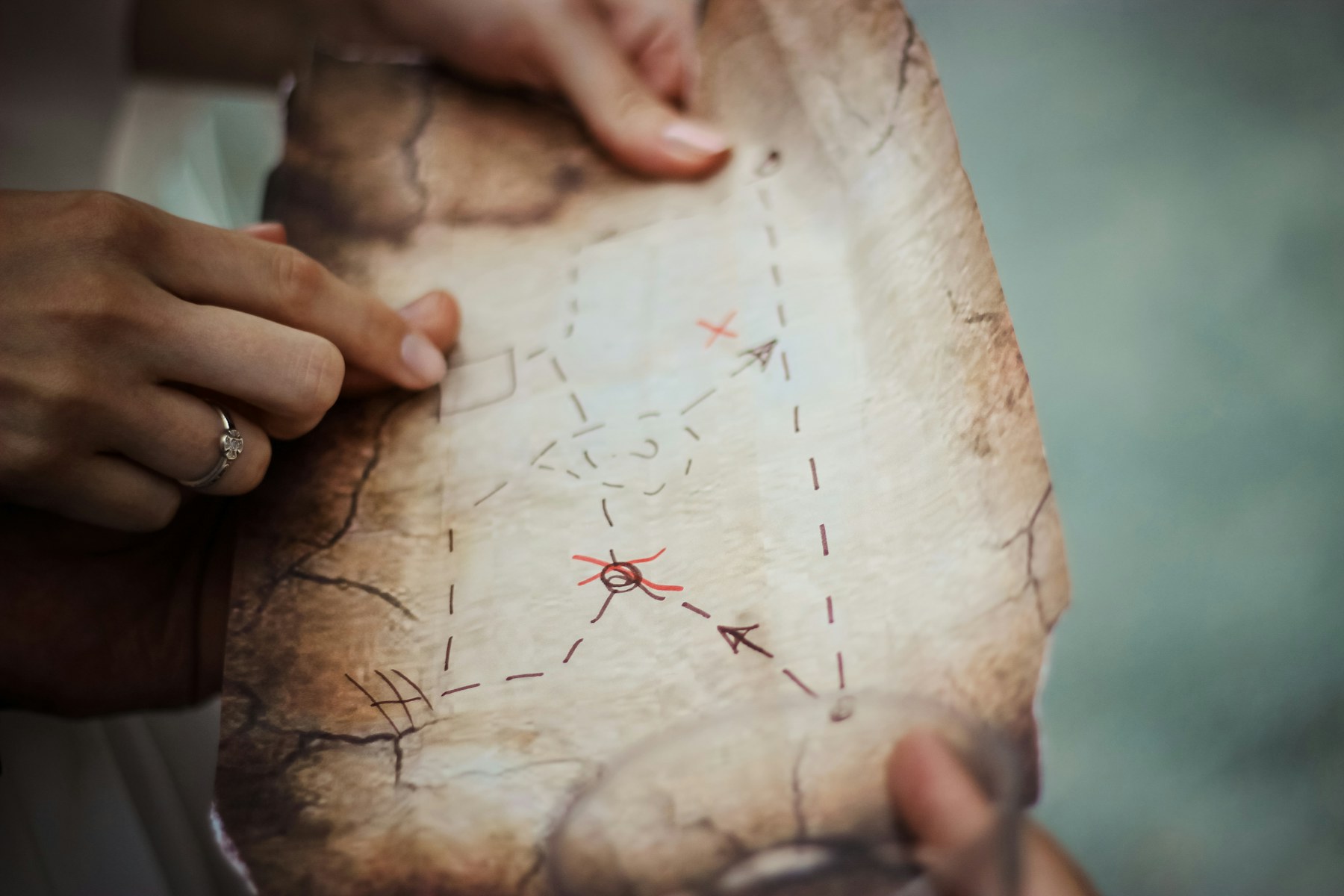
Marco Polo (1254–1324), a Venetian merchant, traveler, and writer, is one of the most famous explorers of the Middle Ages. What makes him one of the most important figures in history is his journey from Europe to China via the Silk Road, and his stay there for 17 years.
Here are the key points you need to know about Marco Polo:
The Great Journey and Kublai Khan
At 17 years old, he set off with his father and uncle. After a three-year arduous journey, he reached the lands of present-day China. He gained the trust of Kublai Khan, the Mongol Emperor of the era and ruler of China. The Khan loved Marco Polo so much that he appointed him to diplomatic missions within the empire and used him as his special envoy.
“The Description of the World” (Il Milione)
Upon his return to Venice, he was captured by the Genoese during a war. While in prison, he recounted everything he had seen in the East (such as paper money, coal, enormous cities, and exotic animals) to his cellmate, Rustichello da Pisa. These accounts were compiled into a book known as The Travels of Marco Polo or The Description of the World.
Why Is He So Important?
- Bridge Between East and West: At that time, Europeans knew very little about Asia. Polo’s accounts sparked great curiosity and a desire for discovery towards the East in Europe.
- Inspiration for Christopher Columbus: Columbus, on his famous voyage to America, carried a copy of Marco Polo’s book filled with notes.
- Cultural Details: In his book, he not only described routes but also detailed how people dressed, what they ate, and the advanced Chinese technology of the time (for example, gunpowder and the postal system).
A Small Note: At the time, people didn’t believe his stories so much that they thought he was exaggerating and nicknamed his book “A Million Lies.” However, modern historians confirm that many details he described align with historical facts.
Why Did People Not Believe Marco Polo?
The main reason people did not believe Marco Polo was that his accounts were diametrically opposed to the European reality of that era. While Medieval Europe was a dark and technologically stagnant period, the China (Mongol Empire) described by Polo seemed like a science fiction world.
The Issue of Paper Money
At that time, trade in Europe was conducted only with gold and silver coins. When Polo claimed that the Chinese printed an imperial seal on a “worthless piece of paper” and used it instead of gold, Europeans thought it was impossible magic or a big lie.
“Burning Black Rocks” (Coal)
In Europe, only wood was used for heating. Polo described how the Chinese extracted black stones from the ground, and these stones burned longer and more intensely than wood. To someone who had never seen coal, saying “stones burn” was considered a ridiculous claim at the time.
Enormous Cities and Population
In those years, cities like Venice and Paris were considered “giants” with populations of a few tens of thousands. However, cities like Hangzhou, which Polo mentioned, had millions of people, enormous canals, and tens of thousands of bridges. This scale surpassed the imagination of a European.
Cleanliness and Bathing Culture
Polo described how the Chinese bathed several times a week, and some even bathed daily. For Medieval Europe, where the concept of hygiene was very weak, this was both strange and an incredible luxury.
Abundance of Pasta and Spices
According to his accounts, spices (black pepper, cinnamon, etc.) were so abundant in the East that these products, accessible only to kings in Europe, were consumed by the common people there.
Legendary Last Words: As Marco Polo lay on his deathbed, priests and friends told him to confess his sins and retract the “lies” in his book. Polo’s famous reply was: “I have not told half of what I saw, for I knew that you would not believe me.”
Did Marco Polo Go to China?
This has been a fervent topic of debate among historians for many years. Some researchers claimed that Marco Polo never actually went to China, but merely compiled stories he heard from Persian merchants.
However, today most modern historians believe that he indeed went to China. Here are the doubts of those who said “he didn’t go” and the evidence of those who said “he did go”:
Why Was It Said He “Didn’t Go”?
The biggest argument of the skeptics was that his book did not mention some very obvious Chinese customs:
- Great Wall of China: The wall is not mentioned in the book. (Though at that time, the wall was largely in ruins and acquired its present magnificent form during the Ming Dynasty).
- Tea Culture: He does not mention the Chinese habit of drinking tea.
- Chinese Writing: He does not refer to the complexity of their alphabet.
- Foot Binding: He does not describe the widespread custom of foot binding among women at that time.
- Chinese Records: The name “Marco Polo” is not found in the enormous Chinese state archives of that period.
Why Is It Thought He He “Did Go”?
Recent research has revealed details that Polo could only have known by being there:
- Money and Salt Economy: Polo describes with incredible technical detail how paper money was printed in different regions of China, its seals, and how salt was used as a currency. It seems impossible that he could have described this information so accurately merely by hearsay.
- Mongol Perspective: Polo spent time not with the Chinese, but with the Mongols who ruled China at the time. Therefore, instead of Chinese culture (tea, writing, etc.), he described the Mongol system of governance, the postal system, and the military structure. The absence of his name in Chinese sources is normal; because foreigners were given Chinese names at that time, or records were destroyed in wars.
- Geographical Accuracy: The river routes, bridges, and city layouts he described in his book correspond perfectly with modern archeological data.
Related reading
 Culture & ArtInitial Wearing of Tights by Men
 HistoryThe Periods of Che Guevara’s Memoirs
 Culture & ArtThe Historical Perception of Blondness: From Prostitution to Divinity
 HistoryStalin’s Photo Manipulation Practices
 Culture & ArtBeyond Craft: Giotto and the Birth of the Artist
 Drinks & foodsMeanings of the Word Spritz; Where Does Aperol Spritz Come From?
 Culture & ArtWhere is the Original David Statue?
 ScienceShazam’s Presence in Our Lives Since 1999
Read more · History
 was the aunty jack show’s color broadcast an accident?
 Tasmania (Island of Australia) and the Story of “Extinction”
 Steve Jobs’s Drug Use in His Youth
 The Beginning of Yugoslavia’s Dissolution with a Football Match
 AD 17 Lydia Earthquake
 The Oldest Customer Complaint Letter in History and Copper
 The World’s First Church
 Accidental Felling of the World’s Oldest Tree
 Is Monaco a Country?
 When was Denmark last threatened?
 The Global History of Cannabis Prohibition
 Divorce by Combat in the Middle Ages
Leave a Reply