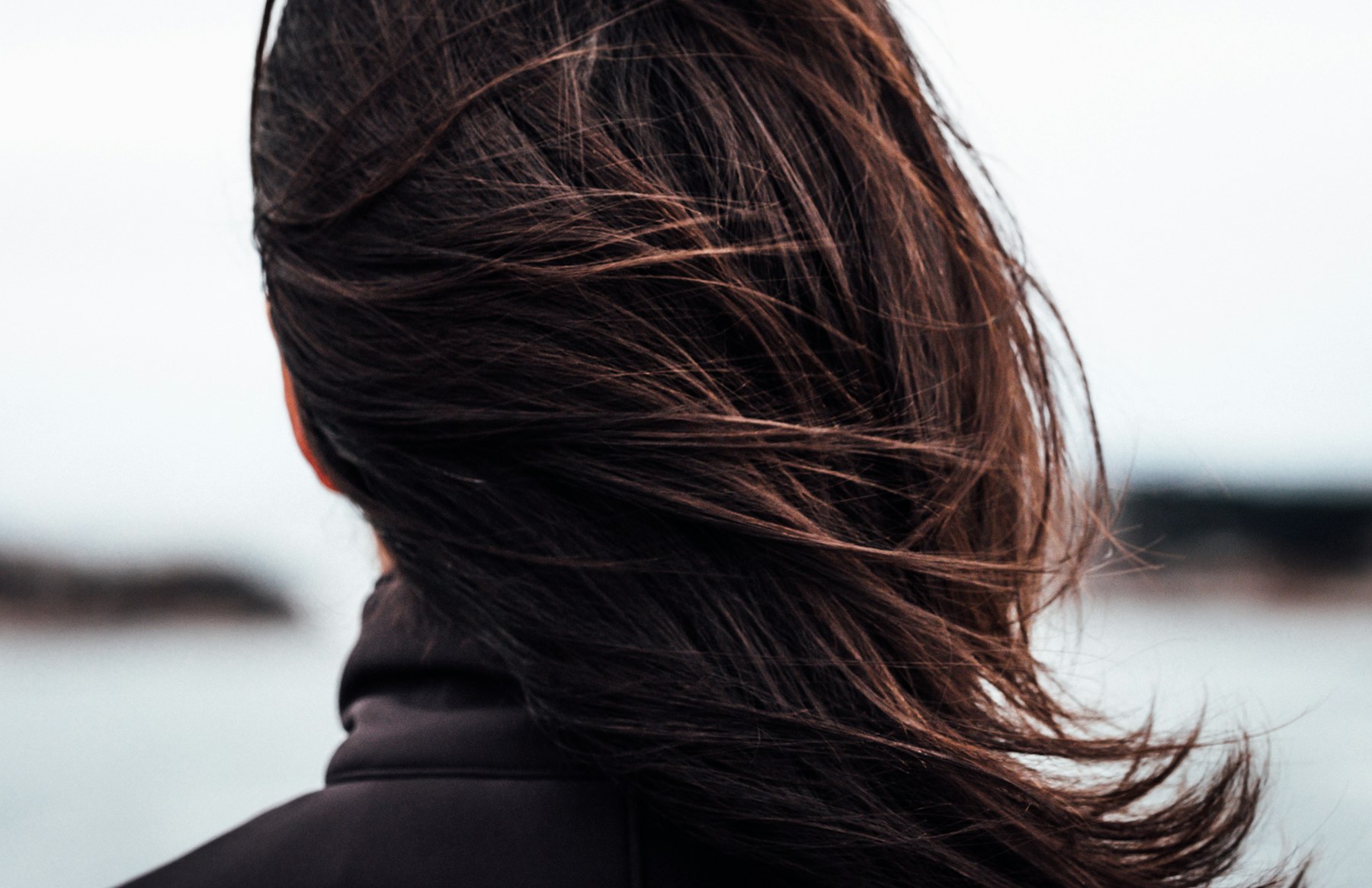
The idea that hair should be washed entirely with cold water is not a single, definitive rule in the fields of dermatology and trichology (hair science). Experts generally recommend using lukewarm water for the cleansing stage.
Physiological Effects of Different Water Temperatures on Hair and Scalp
- Lukewarm Water: Provides the most suitable environment for dissolving excess sebum (natural oil), environmental dirt, and residues from the scalp. It allows the surfactants in shampoo to perform their function of binding water and oil to remove them.
- Hot Water: Can irritate the scalp. It excessively dissolves the natural lipid layer that protects the hair, leading to dryness of the hair and scalp. It also causes the cuticle layer, the outer layer of the hair shaft, to swell excessively, making the hair vulnerable to mechanical damage.
- Cold Water: Reduces the capacity of cleansing agents to dissolve oil and dirt, thus it may be insufficient in the main washing (cleansing) stage. Although it is often claimed in cosmetic and popular health publications that cold water “closes the cuticles” and gives hair shine, hair cuticles do not contain muscle tissue, and their response to temperature changes is not as pronounced as their response to pH changes. However, cold or cool water helps reduce moisture loss and frizz in the final stage by preventing the hair shaft from swelling.
The generally accepted approach is to use lukewarm water to clean the hair and to do the final rinse with cool or cold water to minimize cuticle swelling at the end of washing. Using lukewarm water in the shampooing stage and finishing the final rinse with cold or cool water is the most appropriate method for hair and scalp cleansing. Hot water use, however, damages the hair structure.
The Basic Mechanism of the Optimal Washing Method
- Lukewarm Water (Shampooing stage): Provides the ideal temperature for the surfactants in the shampoo formula to effectively dissolve excess sebum (natural oil) and environmental dirt accumulated on the scalp.
- Cold or Cool Water (Final rinsing stage): Limits the hair shaft from swelling by absorbing water. This helps the hair remain in a smoother texture by reducing post-wash moisture loss and frizz.
- Hot Water (Harms): Excessively dissolves and removes the natural lipid layer that protects the hair and scalp. This leads to dryness, irritation of the scalp, and causes the cuticles, the outer layer of the hair, to swell excessively, making them vulnerable to mechanical damage (breakage and wear).
Hot water is one of the most fundamental factors that directly increases the formation of breakage and split ends in the hair.
High-temperature water excessively dissolves and removes the natural lipid (oil) layer that protects the hair shaft from external factors and keeps it flexible. At the same time, it causes the cuticles, the outer layer of the hair, to swell excessively and open outwards.
A hair shaft with open cuticles that has lost its natural oil and moisture becomes very brittle, losing its elasticity. When hair is in such a delicate state, physical interventions such as friction during shampooing, rough towel drying after washing, or combing when wet, pave the way for easy snapping of hair ends and the formation of breakage on the hair shaft. Continuous hot water use perpetuates this wear and tear cycle without giving the hair a chance to recover.
The fact that the front parts of the hair (around the hairline) break much more easily compared to other areas of the head stems from the structural differences of the hair strands in this region and the higher physical stress they are subjected to.
Main Factors Causing Easier Breakage of Front Hair
- Structural Fineness: Hair strands around the forehead and temples are anatomically thinner in diameter and more fragile compared to hair on the top and nape of the head. This makes them more vulnerable to moisture loss, hot water, and mechanical damage.
- Mechanical Tension and Friction: Tightly tying hair back (ponytail, bun), constantly tucking it behind the ears, or frequently touching front strands with hands throughout the day leads to physical fatigue and breakage in this area.
- Heat Treatment Intensity: Devices like blow dryers, curling irons, or straighteners are usually applied most frequently and repeatedly to the front hair to shape the face frame.
- Cosmetic and Environmental Contact: During daily face washing and skincare routines, front hair frequently gets wet and dries, and can come into contact with facial cleansers and chemicals. Furthermore, these are among the first areas exposed to the damaging rays of the sun (UV).
Hot water use dissolves the general lipid layer of the hair and impairs its elasticity, creating a suitable ground for breakage; these extra mechanical and chemical stresses to which the front hair is exposed then cause split ends and breakages to accumulate specifically in this region.
Related reading
 Life & HealthDoes Intimacy Affect Hair Health? The Hormone Connection
 Life & HealthWere artificial nails invented for nail-biters?
 Life & HealthIs the Appendix a Forgotten Organ?
 Life & HealthWhich Foods Help Balance Our Hormones?
 Life & HealthAustralia Determined the World’s Ugliest Color
 ScienceCan We Protect Ourselves from Radiation After an Atomic Bomb?
 Life & HealthThose who cannot lose weight despite eating little; have you heard of basal metabolism?
 Life & HealthRoseto Town; No Deaths from Heart Attack Under 55
Read more · Life & Health
 Does Eating Pasta Make Us Happy?
 Is Spaying/Neutering Cats Healthy?
 The Solution to Cats Chewing Things; Citrus.
 How Do Panic Attacks Start?
 Is Car-Free Day a Global Event?
 Why Does the Scent of Perfumes We Spray Disappear from Us So Quickly?
 The “Teeth” Secret Behind Longevity: Seedorf and the Milan Lab Legend
Leave a Reply