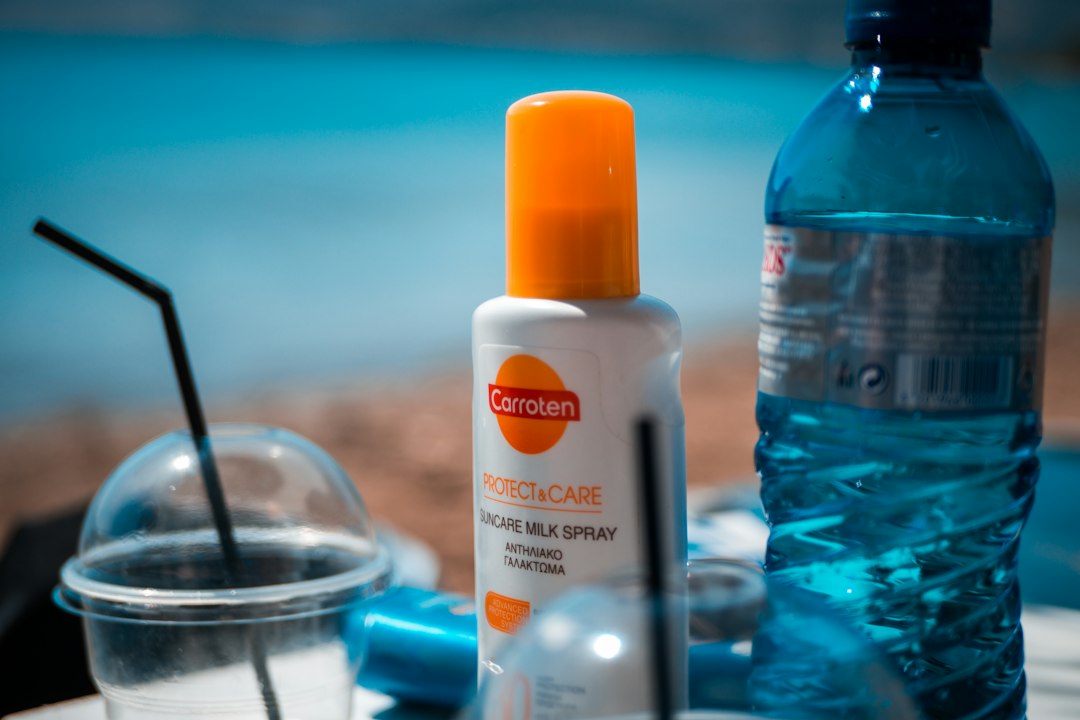
It is scientifically and logically possible and true, considering the physical and geographical characteristics of lagoons.
Accumulation and Mechanism of Sunscreen Oil Residues
- Water Flow and Circulation: Lagoons (sea ears like Ölüdeniz Kumburnu) are generally stagnant or semi-stagnant water bodies connected to the open sea by a narrow strait or shallow channels, where wave circulation and open sea currents are weak.
- Property of Sunscreen Oil: Sunscreen lotions and oils do not mix with water (they are hydrophobic) and, being lighter than water, form a layer on the water’s surface.
- Accumulation Effect: During the intense tourism season, sunscreens and oils from the bodies of thousands of people entering a closed/stagnant lagoon like Ölüdeniz transfer to the water. Since currents and wave circulation are insufficient to sweep this oil into the open sea and dilute it, the accumulation of this oily layer on the water’s surface and along the shorelines, making it clearly visible, is inevitable.
Permanent Effects on the Ecosystem
These oils and chemicals left by millions of people entering the sea and lagoons do not disappear; they also leave permanent marks on the ecosystem:
* Accumulation in Marine Plants and Algae: Scientific research shows that UV-filtered chemicals in sunscreens are absorbed by and accumulate in marine meadows and algae (e.g., Posidonia oceanica) along the Mediterranean coasts.
* Disruption of Photosynthesis: These chemical and oil residues can negatively affect the photosynthesis processes of aquatic plants and phytoplankton.
* Ecosystem and Living Organisms: Chemicals dissolved in water or remaining on the surface can have toxic effects on fish, crustaceans, and microorganisms, damaging their reproductive systems and larval development.
* Physical Layering: In areas with weak circulation, such as lagoons, these oils remain as a thin film layer on the water surface for a while; when washed ashore by waves, they combine with sand and organic waste along the coastline to form residue.
The Best Time to Enter Lagoons
The beginning of the season or periods of low human density are the most ideal times for the water quality and ecosystem balance of lagoons.
The main reasons for this are:
1. Dilution Capacity: Since there is no intense tourism boom in mid-summer, the amount of sunscreen, oil, and similar chemical waste released into the water is at a minimum level.
2. Natural Circulation: During periods of low visitor pressure, the lagoon’s own natural water circulation and renewal process keeps the water much cleaner and clearer.
3. Ecosystem Recovery: Sensitive ecosystems get an opportunity to recover from human-induced pressure.
The end of the season is also generally an advantageous period to enter lagoons, similar to the beginning of the season, but it has some distinct differences compared to the beginning of the season:
* Chemical and Waste Accumulation: By the end of the season, the cumulative level of sunscreen, oil, and other tourist waste released into the water throughout the summer reaches its highest point. Although crowds decrease towards autumn, the accumulated burden from the summer does not disappear instantly.
* Temperature and Bacterial Growth: Due to the effect of summer heat, as long as water temperatures remain high in stagnant waters (especially shallow lagoons), the risk of microbiological activity and bacterial production can remain higher compared to the beginning of the season.
* Decrease in Density: Although not as clean as at the beginning of the season, the significant decrease in human crowds and tourism pressure towards autumn allows the water to at least daily refresh and calm down.
In summary; the end of the season can also be preferred in terms of decreased human density and increased water circulation, but the beginning of the season always offers a cleaner experience in terms of the cumulative pollution load of the water.
Leave a Reply