Origin of the Ban
Shortly after the 1979 Islamic Revolution, women in Iran were banned from watching men’s sports competitions (especially football) in stadiums. The justification for this ban was that the vulgar, unruly, and “masculine” atmosphere in stadiums was not suitable for women, and women needed to be protected from this environment.
Reality of the Offside Film
As seen in the film, many Iranian women passionate about football had to cut their hair, dress as men, paint their faces, or use various other methods to bypass security for nearly 40 years to attend matches in stadiums. Director Jafar Panahi filmed “Offside” under very difficult conditions, partly in secret, to bring this absurd situation to the world’s attention. In fact, the film was banned in Iran.
Current Situation
This strict ban continued for decades. However, some significant developments have occurred in recent years:
1. The Blue Girl Incident (2019): The death of Sahar Khodayari (“Blue Girl”), who was caught trying to enter a stadium disguised as a man and died after setting herself on fire in front of a courthouse fearing imprisonment, resonated globally.
2. FIFA’s Pressure: Following this tragic event, FIFA threatened to ban Iran from international tournaments if women were not allowed into stadiums.
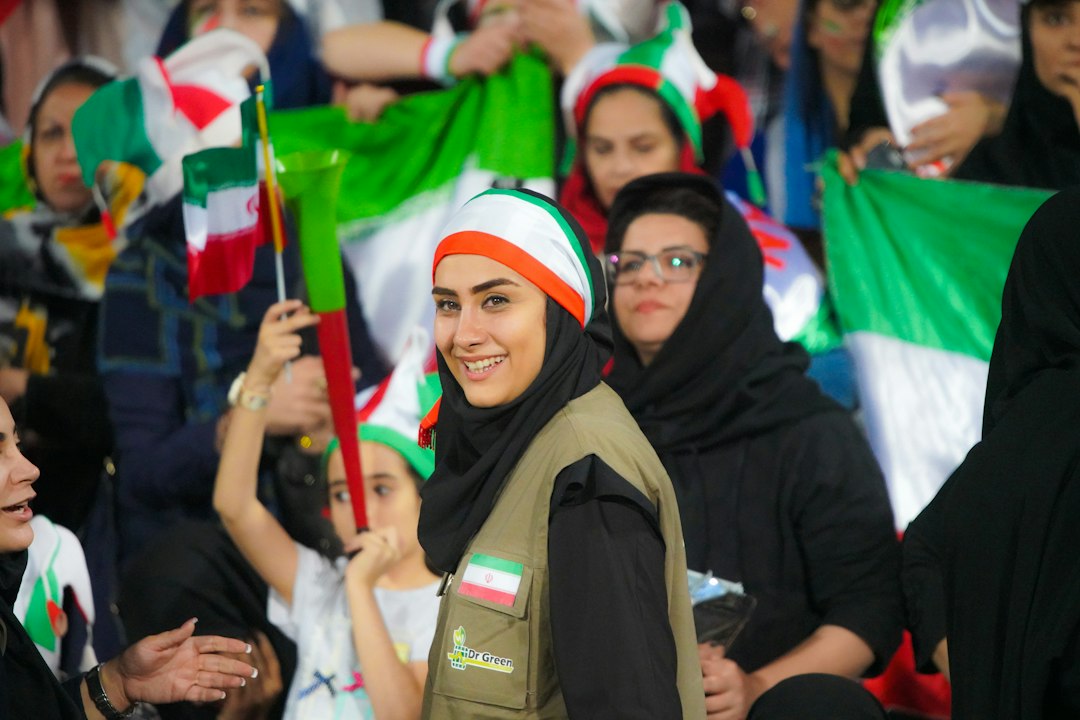
3. Partial Flexibility: As a result of these heavy pressures, Iran has, in the last few years, started allowing women to enter stadiums for certain international matches and some local league competitions with specific quotas (and usually in separate, special stands away from men).
Thus, when the film was made (2006), this ban was enforced in its strictest form. Today, although partially eased by international pressure, the struggle of Iranian women to watch matches equally and freely in stadiums is not entirely over.
Leave a Reply