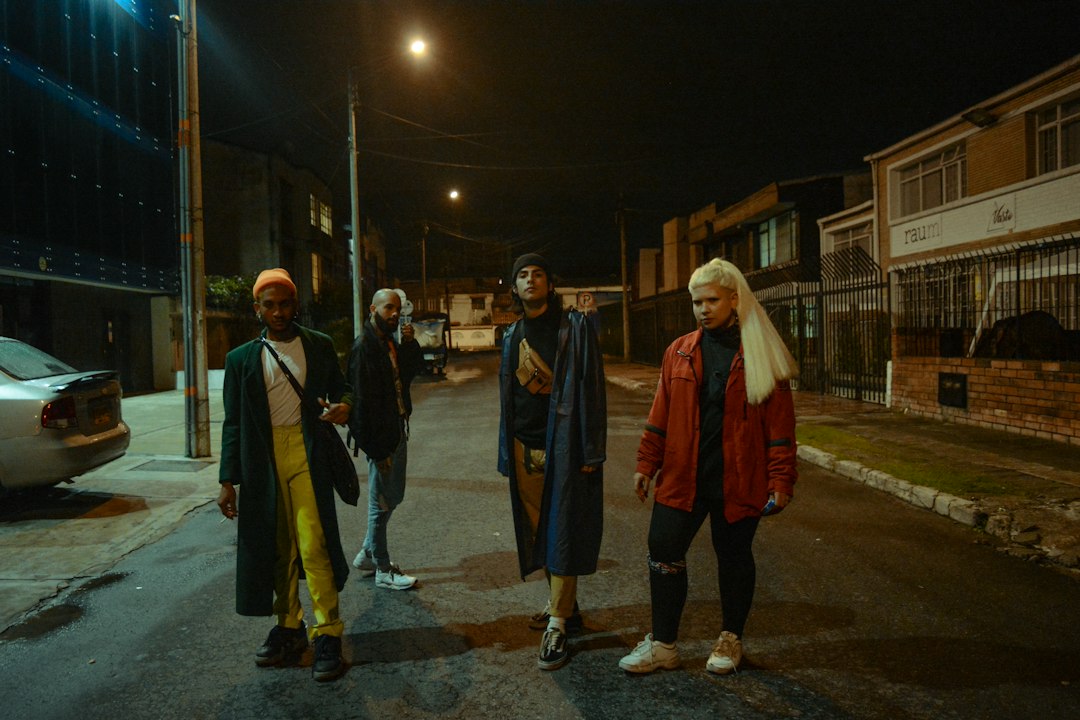
The Blaze’s well-known and highly acclaimed “Territory” music video was filmed in Algiers, the capital city of Algeria. The video tells the story of a young man’s emotional reunion with his family and home in Algeria after a long period abroad, and explores the roles of masculinity in his local culture.
Algeria (whether as a country or its capital) is one of North Africa’s most critical actors due to its historical depth, geographical location, and recent tumultuous events.
Key Characteristics of Algeria
-
Geographical and Strategic Location (“Key to the Mediterranean”)
- Giant of North Africa: It is the largest country in Africa and the Arab world by area. Its location on the Mediterranean coast makes it a natural bridge for both Europe and Sub-Saharan Africa.
- Energy Hub: With its enormous natural gas and oil reserves, it is a key player in the global energy market; Europe, especially in recent years, relies heavily on Algeria for energy diversification.
-
Heavy and Traumatic Colonial Past (The France Issue)
- Bloody War of Independence (1954–1962): France not only colonized Algeria but also declared it an integral part (province) of its homeland. Therefore, France resisted very strongly to avoid leaving.
- Hundreds of Thousands of Losses: The 8-year war of independence was one of history’s bloodiest and most brutal anti-colonial struggles; hundreds of thousands of Algerians lost their lives. This war forms the basis of the country’s national identity and anti-imperialist state policy.
-
Ottoman Heritage and “The White City”
- Ottoman Base: In the 16th century, it came under Ottoman patronage with Barbaros Hayreddin Pasha and became the main base for maritime activities in the Mediterranean. The capital, Algiers, is historically known as “The White City” (Cezayir-i Beyza) due to the color of its buildings. Ottoman traces are still clearly visible in its historic neighborhoods (Casbah).
-
The Civil War in the 1990s (“Black Decade”)
After the single-party regime established post-independence, the army’s seizure of power in 1991, following the Islamist party’s election victory, led to a very violent civil war (“Black Decade”) throughout the 1990s, in which over 100,000 people died. This trauma still profoundly affects the country’s political balances and security reflexes.
Although The Blaze is originally French, there are strong, non-coincidental thematic and artistic reasons behind their choice of Algeria for the filming and story of the “Territory” music video.
Primary Reasons for Choosing Algeria
- Migration, Belonging, and “Homecoming” Theme: A very large Algerian diaspora lives in France. The main story of the video is about a young man who has been abroad for a long time returning to his roots, family, and homeland. The duo used this sociological reality of the France-Algeria axis to reflect the feelings of “being caught between two worlds” and “reuniting with one’s homeland” in the most realistic way.
- Deconstruction of Masculinity Perception: The Blaze often likes to explore the tenderness and emotionality within young men who may appear tough, macho, or dangerous from the outside. In the video, tough-looking men in the street hugging each other with affection, crying, and passionately dancing creates an artistic contrast with the region’s traditional patriarchal structure. Algerian street culture was chosen to strikingly showcase this contrast.
- True Identity of the Protagonist: The actor playing the main character in the video, Dali Benssalah (who later starred in the movie No Time to Die), is a French national of Algerian descent. The directors aimed to achieve a documentary-like reality (authenticity) by bringing the actor’s connection to his cultural roots to the screen.
- Visual Aesthetic and Atmosphere: The unique architecture (terraces, narrow streets) of Algiers, the warm Mediterranean light, and the close-knit family structure provided a perfect backdrop for the intimate, melancholic, and poetic atmosphere the video aimed for.
Even though The Blaze is not Algerian, Algerian culture and geography became the most suitable stage for the story of brotherhood, return to roots, and emotional liberation they wished to tell.
Leave a Reply