Tapas is the general name given to appetizers, snacks, or foods served in small portions in Spanish culture. Rather than a single meal, it refers to a culture of eating, drinking, and socializing. In Spain, people visit bars and sip their drinks accompanied by different tapas at each bar; this is called “Tapeo”.
Most Popular Tapas Varieties
Tapas range from a simple bowl of olives to small portions of hot and cooked elaborate dishes:
- Patatas Bravas: The most classic tapas served with a spicy, seasoned tomato sauce and aioli (garlic mayonnaise) poured over diced and fried potatoes.
- Gambas al Ajillo: Shrimp cooked in a casserole with plenty of garlic, chili pepper, and olive oil.
- Tortilla de Patatas: A thick, dense Spanish omelet made with potatoes, eggs, and sometimes onions.
- Jamón Ibérico: Spain’s world-famous, cured high-quality pork ham (usually served plain on bread).
- Croquetas: Fried delights typically filled with béchamel sauce and ham or chicken, coated in breadcrumbs.
Due to its geographical and historical structure, Spain is not actually a single homogeneous culture but rather a combination of autonomous regions with very strong unique traditions. Besides the socializing (Tapeo) culture in tapas bars, the most fundamental cultural elements shaping the Spanish way of life are:
1. Siesta and Social Life Rhythm
Life in Spain flows a bit “late” compared to the rest of Europe. Midday, especially during summer heat, the Siesta time (usually between 14:00 – 17:00), when shops close and people rest, is still widespread in rural areas and the south. Consequently:
- Late Dinners: Dinner here is not a meal to be hastily eaten and finished; almost no one sits down at the table before 21:00 or 22:00.
- Sobremesa: This is the culture of not getting up from the table immediately after eating, but enjoying deep and pleasant table conversations lasting for hours with coffee or drinks.
2. Sobremesa and Drinking Culture
This is the culture of not getting up from the table immediately after eating, but enjoying deep and pleasant table conversations lasting for hours with coffee or drinks. For Spaniards, the quality of time spent at the bar or table is very important. Iconic drinking rituals that complement this culture include:
- Vermouth Hour (Hora del Vermut): Especially on Sundays before lunch, it is the tradition of drinking chilled, orange- and olive-garnished local red vermouth as an appetizer.
- Sangria and Tinto de Verano: Although the world knows Sangria, locals prefer the lighter Tinto de Verano, a mix of red wine and lemon soda, during summer months.
- Cider of the North (Sidra): In the Asturias and Basque regions, cider is poured by bartenders from a high distance, hitting the glass (this is called escanciar). The aim is to give the drink natural fizz and aeration; the poured amount is finished in one gulp.
3. Regional Identities and Festivals (Fiestas)
In Spain, the language, dance, and character of each region are completely different. This diversity is what truly makes the country dynamic:
- Andalusia and Flamenco: Southern Spain (Andalusia) is the center of flamenco music, dance, and guitar. The culture here is a synthesis of centuries of Arab and Gypsy cultures.
- Basque and Catalan Culture: The Basque region in the north and Catalonia in the east are distinctly separated from the rest of Spain by their unique languages (Euskera and Catalan), architectures, and culinary disciplines.
- Radical Festivals: La Tomatina, where tomato battles are held, San Fermín where bulls are run through the streets of Pamplona, or Las Fallas in Valencia where gigantic paper sculptures are burned, are extreme examples of social enthusiasm and street celebration culture.
What kind of city is Barcelona, what is the difference between Andalusian and Catalan?
Barcelona is a city on the Mediterranean coast that combines dynamism, art, beach life, and a cosmopolitan structure. As the capital of the Catalonia autonomous region, this city has a character completely different from the classic Spanish perception (flamenco, bullfighting, Andalusian architecture).
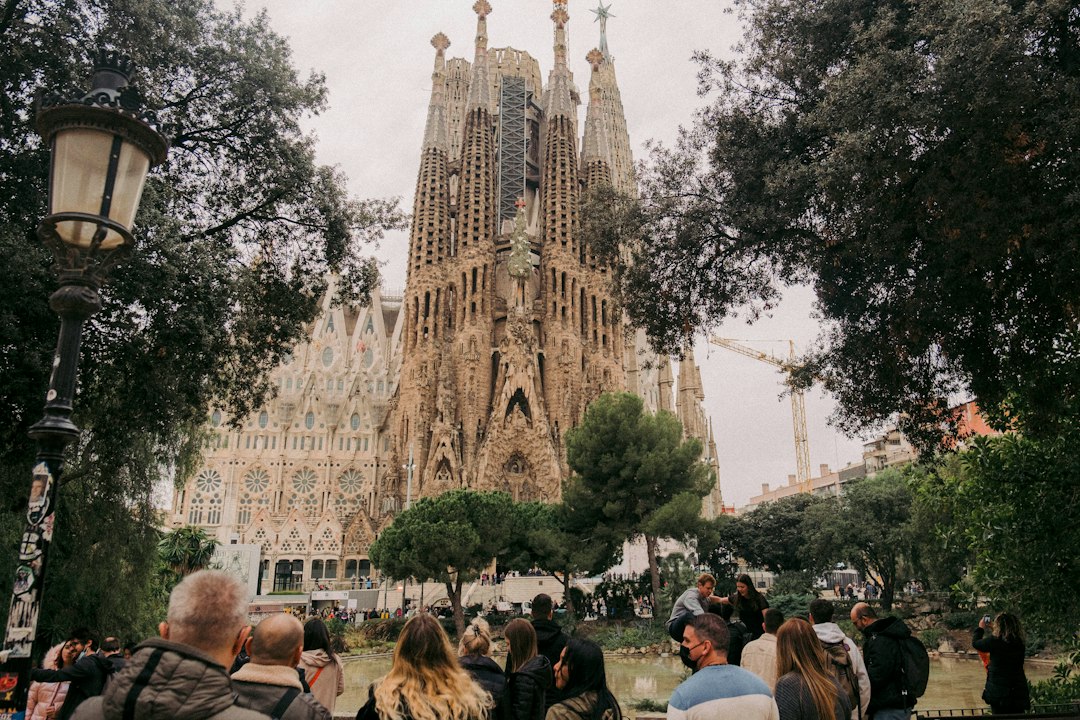
The city is like an open-air museum with the brilliant architectural works of Antoni Gaudí such as Sagrada Família and Park Güell. Its wide boulevards, the labyrinthine historic streets of the Gothic Quarter, vibrant culinary culture, and a life rhythm intertwined with the sea give the city a versatile charm. However, since it is one of Europe’s centers in terms of industrial, commercial, and artistic aspects, it defines itself as European and unique rather than “classic Spain”.
The differences between the two major and contrasting characters of Spain, Andalusian and Catalan cultures, are the clearest elements demonstrating this geographical and historical separation:
1. Historical and Architectural Differences
Andalusia is located in the southernmost part of Spain and remained under the rule of the Muslim Umayyads of Al-Andalus (Moorish culture) for approximately 800 years. Therefore, its architecture, music, and streets are dominated by a strong Islamic-Arab influence, complex geometric motifs, courtyarded fountains, and whitewashed houses (Pueblos Blancos). The Alhambra Palace in Granada is its greatest symbol.
Catalonia, on the other hand, is located in the northeast, close to the French border. Throughout history, it has shown a more integrated development with Mediterranean trade and Europe. Its architectural character, far from Moorish influence, has been shaped more around Gothic, Renaissance, and especially Catalan Modernism (the local interpretation of Art Nouveau) which emerged in the late 19th century.
2. Language and Identity Perception
Andalusia: The main language of the people here is Spanish (Castellano). They have a unique, fast, and cheerful Andalusian accent that drops word endings. They see themselves as the warmest and most rooted carriers of Spanish identity.
Catalan: In Catalonia, people speak Catalan (Català), a completely separate Latin language, in addition to Spanish. Catalan is not a Spanish accent; it is an official language with its own grammar, situated between French and Spanish. Catalans have a strong national identity; many identify themselves first as Catalan rather than Spanish, and independence movements in the region have historically been very strong.
3. Life Rhythm, Character, and Social Structure
Andalusia: Influenced by the Mediterranean and southern warmth, life is slower, more relaxed, and extroverted. People are friendly and possess a dramatic, passionate nature, a legacy of being the birthplace of flamenco. Its economy has historically been based on agriculture, olive cultivation, and tourism.
Catalan: Influenced by northern discipline and intense industrialization, Catalans are known to be more business-oriented, reserved, organized, and rational. They are proud of their economic strength as they are Spain’s industrial and commercial engine.
4. Cuisine and Gastronomy
Andalusia: Influenced by the warm climate, cold soups (Gazpacho, Salmorejo), olive oil dishes, and small fish floured and crisp-fried by the sea (Pescaito Frito) form the basis of the cuisine. The Arab influence is very clear in syrupy and nutty desserts.
Catalan: The “Sea and Mountain (Mar i Muntanya)” philosophy is dominant. They like to cook shrimp with chicken or meat with seafood together in the same dish. Rice dishes (Arròs Negre – black rice with squid ink) and garlic-tomato bread (Pan con Tomate) are very popular.
Leave a Reply