For many just a few years ago, Taylor Swift was simply a pop star. Today, she embodies a global sociological phenomenon. The Eras Tour transcends the boundaries of the music world, becoming a mirror reflecting a collective experience, the search for belonging, and the rituals of the modern age. This is not merely a concert series, but an exploration of fandom culture, community spirit in the digital era, and the economic power of popular culture.
A World Beyond Songs: The Swiftie Identity
One of the most striking features of this tour is the “Swiftie” identity it has forged. Fans don’t just listen to the songs; they interact with each other, identify with the artist, and become part of a shared “universe.” The concert experience is deeply communal.
The Ritual of Connection: Friendship Bracelets
A prime example is the exchange of friendship bracelets. This ritual, reminiscent of childhood camp bracelet swaps but occurring among adults, has become central to the Swiftie experience. Each bracelet often bears a song title, album name, or an inside Swiftie joke. These are not only souvenirs but also symbols, consciously or unconsciously, representing belonging to the community. Much like totems shared by ancient tribes, Swiftie bracelets are an external manifestation of a shared identity and bond, fostering a profound sense of unity among attendees.
The Digital-Age Village Square: The Concert Experience Amplified
How has social media amplified this phenomenon? Even those who cannot attend the concerts become part of the experience through TikTok, Instagram, and X (formerly Twitter). Fan cams, stage shows, costumes, tearful fans – every moment is shared, commented upon, and re-created. This functions like a modern-day “village square” or “cathedral,” a space where everyone gathers to share a common experience.
Echoes of the Past, Amplified by the Present
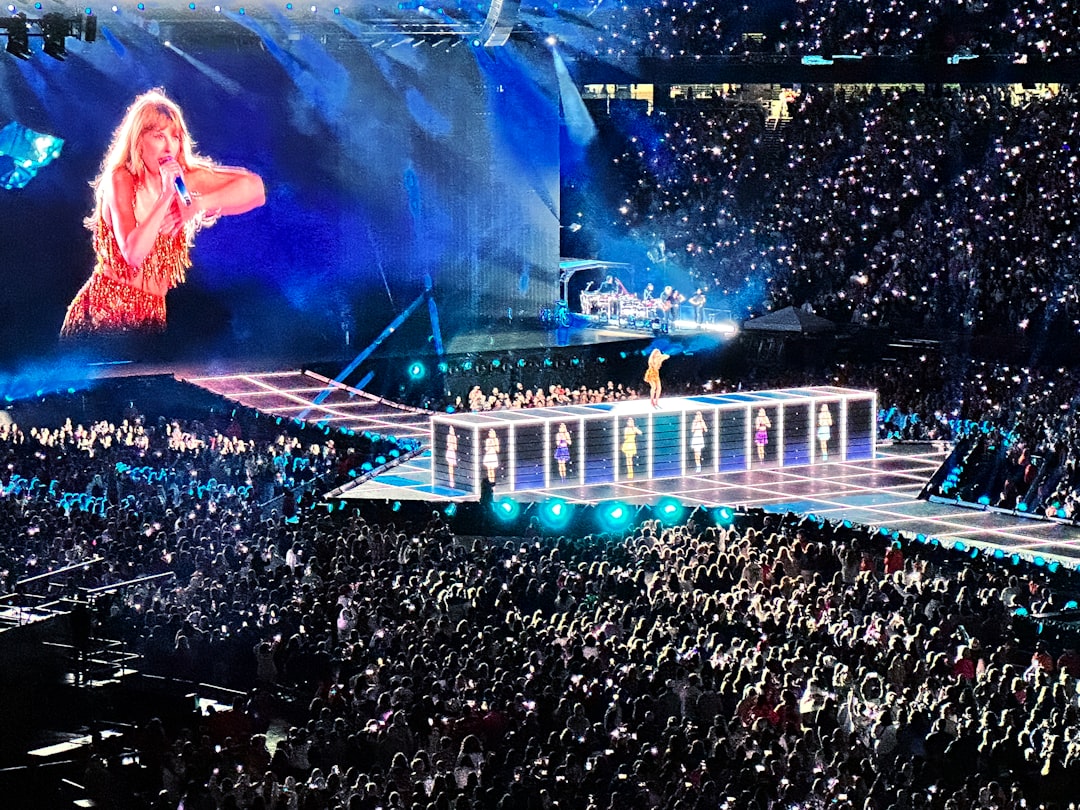
Historical parallels can be drawn to past mega-phenomena like Beatlemania or Elvis hysteria. However, the key difference today is digital sharing and instant global access. Excitement that once spread through newspapers or TV news now reaches the entire world in seconds, multiplying the speed and intensity of collective emotion. This massive audience focusing on a single voice points to a deep human need: the desire to gather, to unite, and to express a shared exuberance through the Rhythm of Approval. The sheer scale of collective cheering and applause is a testament to this profound human connection.
Economic and Sociological Reverberations: The “Swiftie Economy”
The Eras Tour doesn’t just create a cultural impact; it generates a massive economic ripple effect in every city it visits. Hotels fill up, restaurants thrive, and local businesses sell Swiftie-themed merchandise. This has given rise to a new term: the “Swiftie Economy.”
Durkheim and Collective Effervescence
Émile Durkheim’s concepts of “collective effervescence” or “collective consciousness” can be used to explain this situation. The instantaneous, intense, shared emotional state experienced at concerts allows individuals to come together and experience a power that transcends them. This can function like a secular religious experience, providing individuals with a sense of meaning and belonging.
The Power of Rituals
Elements like bracelet exchange, specific dances during certain songs, and chants are rituals that reinforce the identity of a social group and bind its members together. These rituals materialize the group’s common values and beliefs, creating a powerful sense of community and shared purpose.
Conclusion
Taylor Swift’s Eras Tour is more than just a musical event; it offers a powerful laboratory for understanding modern society’s search for collective experience, the dynamics of community in the digital age, and the socio-economic impacts of popular culture. This phenomenon, extending beyond songs and shows, once again proves how fundamental the human need to gather, find a sense of belonging, and be part of a shared story truly is.
Leave a Reply