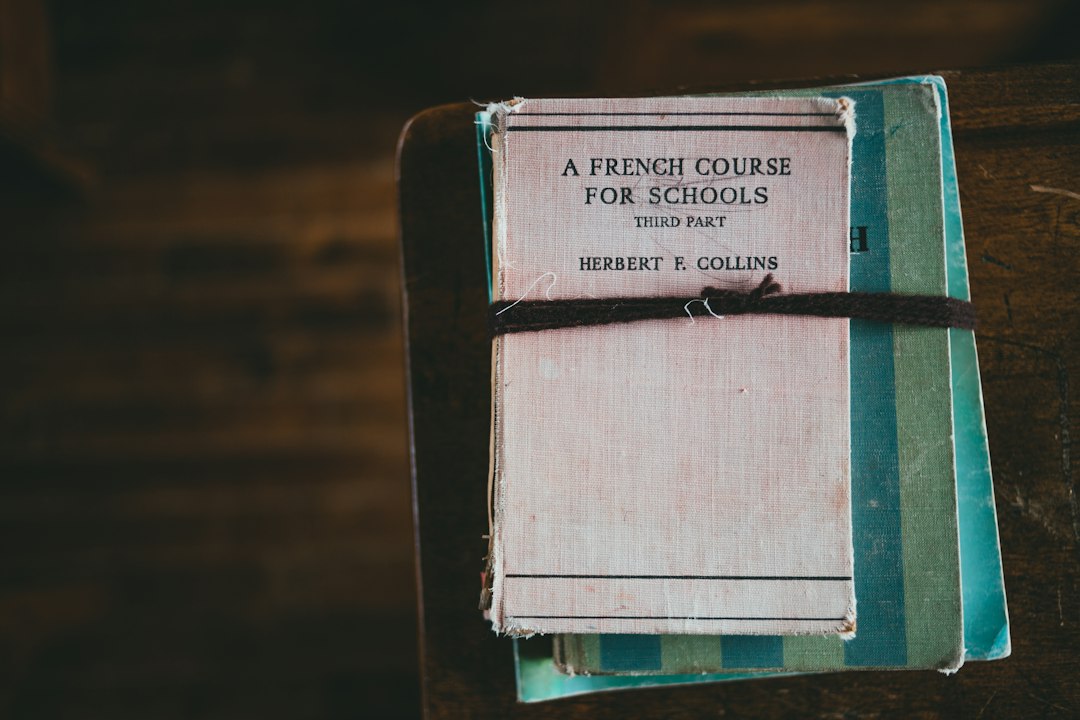
The ‘distinct atmosphere’ that French literature leaves on the reader is not a coincidental stylistic choice; it is a direct result of a philosophical, linguistic, and cultural tradition meticulously crafted over centuries. There are very clear dynamics that distinguish this literature from others, such as the heavy psychological turmoil of Russian literature or the plot-driven structure of English literature.
Fundamental Elements of French Literature’s Uniqueness
At the core of this originality in French authors’ expression lie several main elements:
-
The Quest for “Le Mot Juste” (The Perfect Word)
In French literature, language is not merely a tool used to tell a story; language itself is a purpose, a work of art. The concept of “le mot juste” (the exact and correct word), which peaked with Gustave Flaubert, led authors to ponder for days over the rhythm, timbre, and aesthetics of a sentence. This is why words in French texts are never chosen randomly; sentences possess their own distinct melody and literary pride. -
Microscopic Introspection
The French mode of self-expression is a merciless excavation into the inner world of man. This tradition of “self-examination,” which began with Michel de Montaigne’s Essays, reaches its zenith with Marcel Proust. Proust could embark on a hundred-page analysis of memory and time, starting from the taste of a madeleine cake dipped in tea. Emotions, jealousies, desires, and societal roles are dissected and narrated down to their finest details. -
The Intersection of Philosophy and Literature
French writers are often thinkers as well. Especially in 19th and 20th-century literature, the author’s aim is not merely to provide aesthetic pleasure, but to push the reader into an existential inquiry.- Albert Camus and Jean-Paul Sartre express the meaninglessness of humanity in the universe (Absurdism and Existentialism) with a language that is remarkably calm yet unsettling.
- Charles Baudelaire poetically renders the melancholy and decay of modern city life (Spleen) with an aesthetic language. Ideas are presented hidden within literary grace.
-
Irony and Grace (“Esprit”)
The concept the French call “esprit” (wit, subtle intelligence) is the backbone of their mode of expression. Social critiques, profound dramas, or even tragedies are conveyed with a certain grace, subtle sarcasm, and sharp irony. They prefer to express pain or rebellion not by shouting, but with a meticulously crafted, piercing, and aesthetic sentence.
In summary; the distinct atmosphere conveyed by French literature stems from its ability to blend emotion with intellect, melancholy with grace, and aesthetics with philosophy.
Famous French Authors
1. The Enlightenment and Classical Period (17th – 18th Century)
Authors of this period primarily focused on human nature, social structure, and rationalism, laying the foundation for the French intellectual system.
- Molière: The father of French comedy. With works like The Miser and The Imaginary Invalid, he sharply criticized the hypocrisy of the bourgeoisie and clergy with keen irony.
- Voltaire: Known for his work Candide, this author used his keen wit and satire as a weapon against the fanaticism and injustice of his era.
- Jean-Jacques Rousseau: With The Social Contract and Confessions, he is one of the most important philosopher-writers who prepared the intellectual groundwork for the French Revolution.
2. 19th Century: The Golden Age of Romanticism and Realism
This period saw the production of some of French literature’s most globally recognized masterpieces, narrating the human inner world and social inequalities with an epic language.
- Victor Hugo: The greatest representative of the Romanticism movement. With Les Misérables and The Hunchback of Notre Dame, he changed the course of not only French but world literature.
- Gustave Flaubert: Considered the founder of the modern realist novel with Madame Bovary. He is the greatest representative of the “perfect word” (le mot juste) obsession we mentioned.
- Honoré de Balzac: With his enormous corpus titled La Comédie humaine (The Human Comedy), he meticulously detailed every segment of French society.
- Émile Zola: The founder of the Naturalism movement. In his work Germinal, he portrays the lives of coal miners with documentary-like, harsh, and uncompromising realism.
3. Poetry and Symbolism: The True Inspirations for Song Lyrics
These are the poets from whom the deep, melancholic, and double-meaning lyrical art in music directly inherited its spirit. They pioneered the aestheticization of pain and darkness.
- Charles Baudelaire: Initiated modern poetry with Les Fleurs du mal (The Flowers of Evil). He wrote about the grime of the city, melancholy, and the modern human’s distress (spleen) in remarkably elegant French.
- Arthur Rimbaud: Known for his work Une Saison en Enfer (A Season in Hell), he is the rebellious poet who influenced all of French music with his defiant style, despite abandoning poetry at a very young age.
- Paul Verlaine: A symbolist poet who prioritized music above all else, composing melodies with words through their phonetic harmony.
4. 20th Century: Existentialism and Modernism
Authors of this period were also philosophers. In a Europe ravaged by wars, they depicted human meaninglessness, memory, and existential anguish.
- Marcel Proust: With his monumental 7-volume work À la recherche du temps perdu (In Search of Lost Time), he produced one of the deepest psychological analyses in literary history on human memory, time perception, and the decline of aristocracy.
- Albert Camus: With his novels L’Étranger (The Stranger) and La Peste (The Plague), he focused on the meaninglessness of man in the universe (Absurdism), conveying it in a very simple yet striking language.
- Jean-Paul Sartre: With his work La Nausée (Nausea), he brought Existentialism philosophy into literature, arguing that man can only create his own essence through his own choices.
- Simone de Beauvoir: A writer who, along with Sartre, formed the intellectual power of the era, she wrote one of the foundational texts of modern feminism with Le Deuxième Sexe (The Second Sex), while also exploring existentialist themes in her novels.
Related reading
 Culture & ArtRecent Events in France
 HistoryIs Monaco a Country?
 Culture & ArtThe Concept and Characteristics of Sprezzatura
 HistoryThe Periods of Che Guevara’s Memoirs
 HistoryFrance Sinks Greenpeace’s Ship
 Drinks & foodsDid the First Restaurant Chef Rules Emerge from France?
 Culture & ArtSentence Reduction for Prisoners by Reading Books in Brazil
 Life & HealthIs Car-Free Day a Global Event?
Read more · Culture & Art
 The Oldest Toy; Yoyo
 Is the Maldives Governed by Sharia Law?
 The Tradition of Toasting: Why Do We Say ‘Cheers!’?
 The Eras Tour & The Swiftie Phenomenon: A Cultural Anatomy of Collective Ecstasy
 Olympique Lyonnais’ First Female President
 The Ban on Women Attending Matches in Iran
 The Barefoot Tradition: Why We Take Off Our Shoes Indoors
 The Crossed Fingers Secret: Why Do We Cross Our Fingers for Luck?
 Have You Heard of Lacan’s Theory of Fantasy?
 The Curious Case of Buttons: Why Men’s and Women’s Shirts Differ
 The Flower That Saved the King’s Life, Meanings of the Lily Flower
 The Big Secret: There is No “Chinese” Language
Leave a Reply