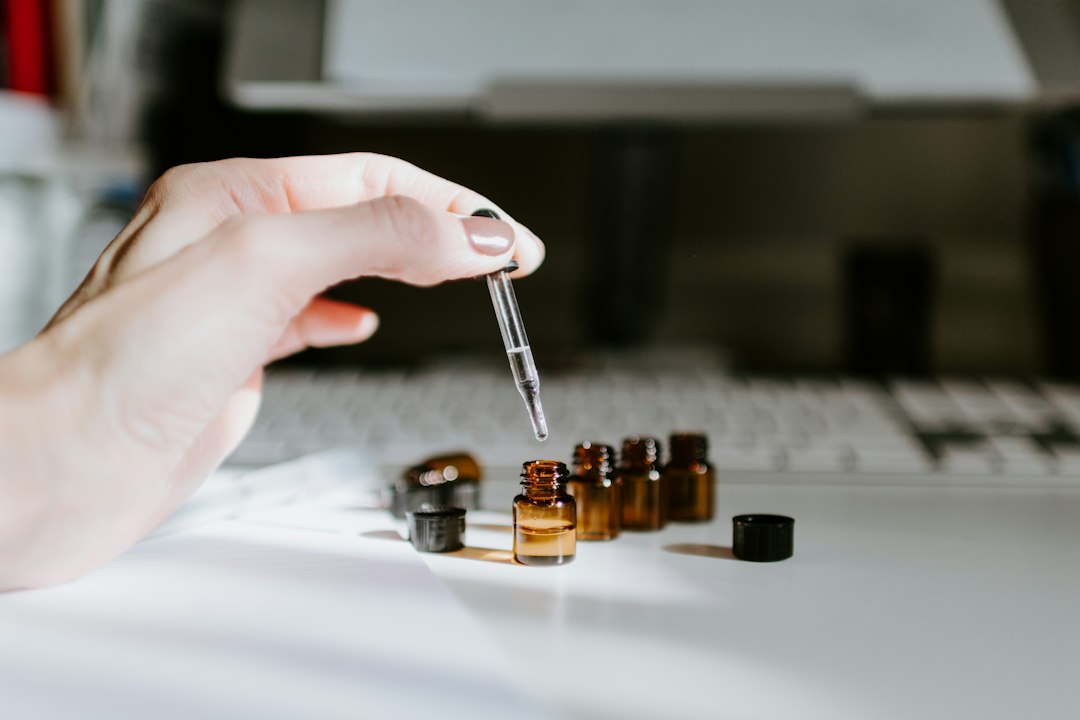
According to a recent study conducted by researchers from Kyoto University and Tsukuba University in Japan, and published in the Brain Research Bulletin journal, it has been proven that regular scent exposure creates concrete changes in brain structure.
The prominent details and scientific background of the research are as follows:
1. Research Methodology
- Participants: Within the scope of the study, 28 female participants were continuously exposed to rose scent by applying rose essential oil to their clothing during their daily routines for one month. The control group, consisting of 22 people, used only normal water during the same period.
- Measurement: At the end of the process, the participants’ brains were scanned with MRI (Magnetic Resonance Imaging).
2. Findings
- Increase in Gray Matter: A significant increase in the volume of gray matter in the brains of individuals who regularly inhaled rose scent for 30 days was detected. This study is one of the first concrete pieces of evidence showing that long-term scent exposure can directly change the physical structure of the adult human brain (neuroplasticity).
- Affected Region (PCC): The volumetric growth occurred particularly in the Posterior Cingulate Cortex (PCC) region, which is the brain’s center for processing memory, association, and olfactory memories. No major change was observed in the amygdala or orbitofrontal cortex, which directly perceive scent.
3. Scientific Explanation and Mechanism
Unlike other senses, the brain’s olfactory mechanism connects directly to the limbic system (memory and emotion center). Researchers state that the amygdala gradually got used to the constantly present rose scent, reducing its response, but the PCC region had to continuously process memories and semantic processes associated with this scent, causing it to work more and grow volumetrically (strengthening like a muscle).
Conclusion and Limitations
These findings suggest that aromatherapy could be a low-cost and accessible supportive method for preventing neurodegenerative diseases such as Alzheimer’s, where shrinkage/atrophy is observed in the PCC region in early stages. However, it should be noted that the research was conducted with a limited sample (young female participants) for now, and it is too early for the argument that “rose scent definitively treats or prevents dementia,” requiring further clinical validation.
Is This Situation Valid Only for Rose?
No, this situation is not a miracle unique to rose scent. The reason for using rose oil in Kyoto University‘s research is its stable chemical components, its strong place in scent memory, and its acceptance as a standard stimulus in aromatherapy studies.
Generally, when examining the relationship between scent exposure and brain structure/memory, there are other scents that trigger similar neuroplasticity (physical change in the brain) effects. Other prominent examples highlighted in scientific studies include:
- Rosemary: It is one of the most researched plants when it comes to memory and focus. Rosemary scent is known to enhance cognitive performance and especially prospective memory (remembering what to do and when) by increasing the 1,8-cineole compound in the blood.
- Lavender: Although generally known for its calming effect, it indirectly contributes to the more efficient functioning of the brain’s learning and information processing centers by reducing cortisol, the stress hormone.
- Peppermint: It increases the amount of oxygen going to the brain and alertness, extending the focus duration and reducing mental fatigue.
Essence of the Mechanism
The real magic here is not in the plant, but in the human brain’s olfactory system. Our sense of smell is the only sense that connects directly to our limbic system, our memory and emotion center, without passing through the thalamus (the brain’s main distribution center).
Therefore, what structurally stimulates the brain is not just “rose”; it is the regular stimulation of the olfactory bulb and consequently the relevant cortical areas of the brain by pure essential oils with rich, natural, and complex molecular structures. Synthetic, artificial perfumes do not provide the same neurological benefit.
Leave a Reply