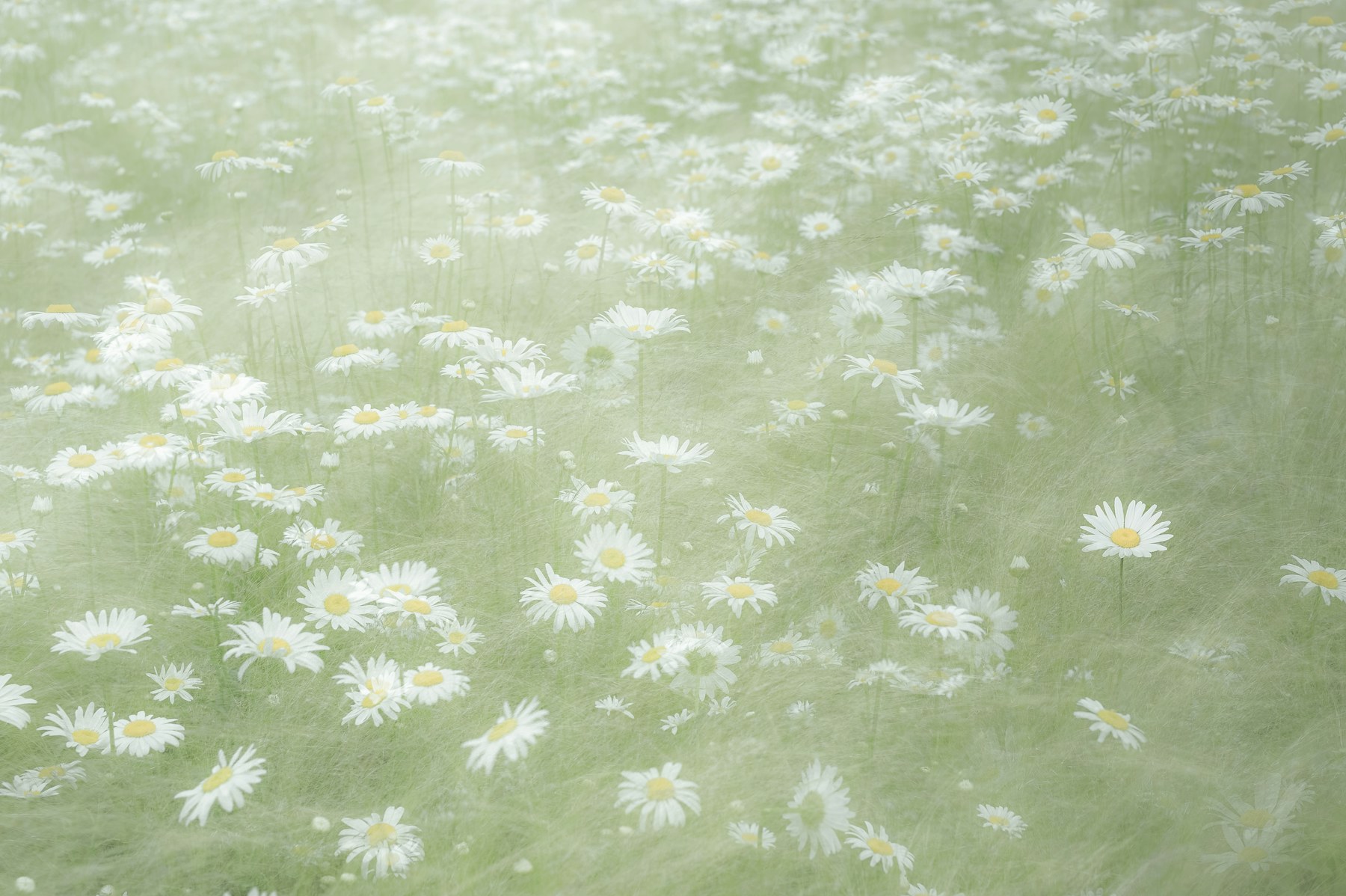
Chrysanthemum (Krizantem), belonging to the daisy family (Asteraceae), is an extremely durable and showy plant that typically blooms in the autumn months. It gets its name from literally “bursting” into bloom in November (Kasım-patı), which is when the weather starts to get cold.
Key Features
- Durability: It is highly resistant to cold weather. While many other flowers wither and shed their leaves in autumn, the chrysanthemum continues to add color to gardens and balconies.
- Color Variety: It has a very wide color spectrum including white, yellow, pink, purple, burgundy, orange, and red.
- Appearance: It can be found in many different forms in nature. In addition to single-layered types resembling classic daisies, there are countless varieties such as double-flowered, pom-pom shaped, or those with long, thin petals (spider type).
Symbolic Meaning and Cultural Place
The meaning of the chrysanthemum can show a great contrast depending on the geography:
- Asian Culture: In China and Japan, it represents dignity, longevity, abundance, and nobility. It is a symbol of joy and the sun; in fact, Japan’s imperial seal is a 16-petaled chrysanthemum.
- European Culture: In some European countries like France, Belgium, Italy, and Spain, it is associated with sadness, mourning, and death. It is usually placed in cemeteries during funerals or commemoration days.
- Language of Colors: White chrysanthemum symbolizes innocence and loyalty, yellow chrysanthemum represents unrequited or platonic love, while red chrysanthemum signifies deep and ** passionate love**.
Areas of Use
Chrysanthemum (krizantem) is a functional plant used in various fields worldwide, thanks to its visual beauty as well as its aromatic and chemical components. Its main areas of use are:
1. Landscape and Cut Flower Industry
- Arrangements and Bouquets: Because its vase life is very long after being cut (it won’t wilt for weeks if the water is changed regularly), it is one of the best-selling species in commercial floristry.
- Landscape Architecture: It is used as a primary decorative plant to brighten parks, gardens, and balconies during the autumn months when most plants are dormant.
2. Gastronomy and Beverages
- Chrysanthemum Tea: Especially in Far Eastern countries like China, Japan, and Korea, dried white and yellow chrysanthemum flowers are brewed and consumed as a very popular, slightly sweet, and floral herbal tea.
- Edible Flower: The petals of sweet varieties, after being thoroughly washed, are added to salads; they are used in soups, desserts, or as an elegant plate garnish in high-end restaurants.
- Aromatic Use: Due to its unique scent, it is used as a flavoring agent in the production of special syrups, traditional Asian drinks, or modern mixology.
3. Traditional Medicine and Health
- Traditional Chinese Medicine (TCM): For centuries, it has been classified as a “cooling” herb. It is prescribed to reduce fever in the body, cleanse the liver, and relieve common colds and sore throats.
- Eye Health: It is consumed in tea form, believed to be a soothing supplement against eye strain, redness, and blurred vision.
4. Natural Pest Control (Insecticide)
- Pyrethrum Production: A natural and powerful insecticide component called pyrethrin is obtained from the flower heads of certain chrysanthemum species (especially Chrysanthemum cinerariifolium).
- Method of Use: This substance is the main active ingredient in mosquito repellent tablets and sprays, and is frequently used as an alternative to chemical pesticides to protect crops from pests in organic farming. Its toxic effect on mammals is very low.
Additional Information: José “Pepe” Mujica and Chrysanthemums
Uruguay’s former President José “Pepe” Mujica also cultivated chrysanthemums.
During his tenure, Mujica, who preferred to live in his modest farmhouse on the outskirts of the capital Montevideo instead of the luxurious presidential palace, personally engaged in farming on this land with his wife, Lucía Topolansky. For many years, the couple primarily grew chrysanthemum flowers in their garden and sold them in local markets.
This simple life he led in his one-room house within a chrysanthemum field became one of the greatest symbols of his stance against consumer culture and his frugal philosophy of life.
Related reading
 Culture & ArtWhat is a Bonsai Tree? The Art of Fitting Nature into a Pot
 Drinks & foodsWhat is Umami?
 HistoryHistory of Isparta Rose Cultivation
 Drinks & foodsOnly One Pineapple Grows Per Plant
 ScienceWhat is Pesticide, Which We Constantly Hear About?
 ScienceDoes Smelling Flowers Develop Our Brain?
 Drinks & foodsThe World’s Most Expensive Meat and Beer-Fed Cows
 ScienceBees and Avocado: A Vital Partnership
Read more · Culture & Art
 The Rituals at the Heart of the Global Stage: Why International Football Tournaments Are More Than Just a Game?
 The Sneeze & The Blessing: Why Do We Say “Bless You”?
 Is the Movie Before Sunrise a True Story?
 What is Nihilism? Understanding the Philosophy of “Nothingness”
 Scent Chess: A Sensory Experience
 The Curious Case of Buttons: Why Men’s and Women’s Shirts Differ
 The Unspoken Language of Joy: A Cultural History of Laughter
 The Silent Etiquette of the Yawn: Why Do We Cover Our Mouths?
 Why Does Toyota Dominate in Cyprus?
 Hotel California Song and Its Legends
 The Tradition of Toasting: Why Do We Say ‘Cheers!’?
 The Ancient Language of Silence: A Cross-Cultural Journey
Leave a Reply