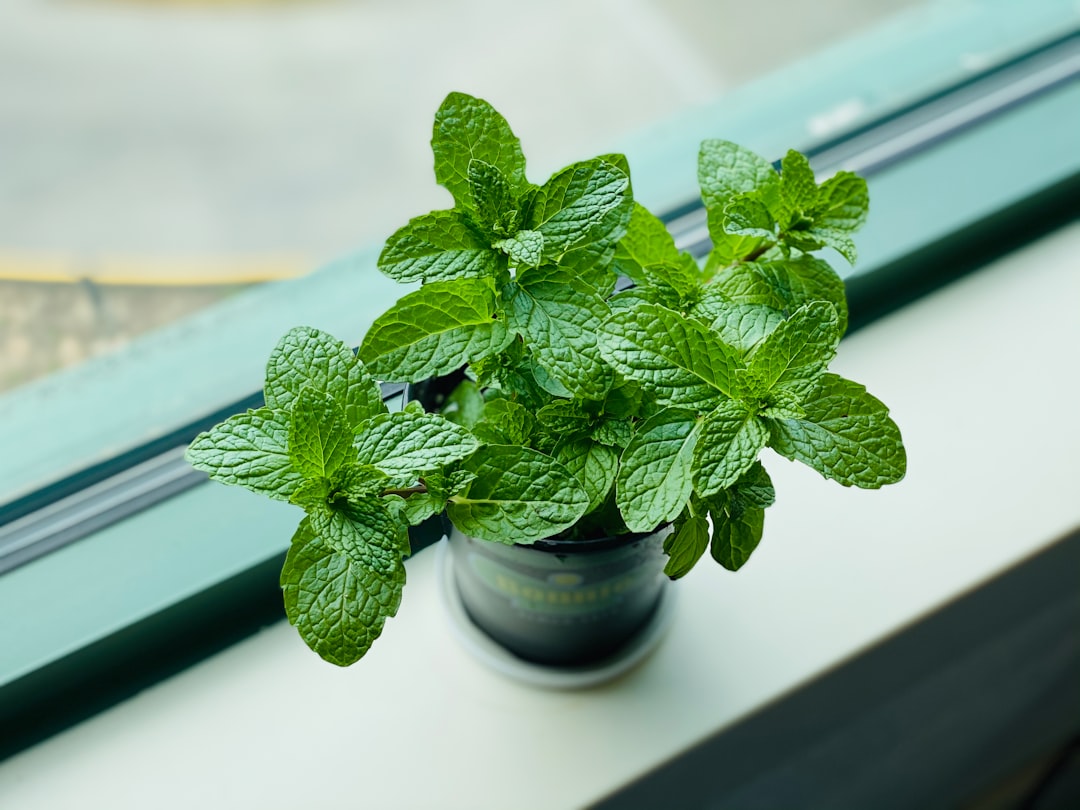
Mint is not a plant belonging to a single region or a narrow geography; it has naturally grown and been cultivated across a very wide geography throughout human history. However, when its origin, gene centers, and historical distribution are examined, the prominent regions are:
Mint is not a plant belonging to a single region or a narrow geography; it has naturally grown and been cultivated across a very wide geography throughout human history. However, when its origin, gene centers, and historical distribution are examined, the prominent regions are:
Primary Origin and Gene Centers
The primary gene centers of mint species (especially Mediterranean and Asian mints) are the Mediterranean Basin and Near East (Anatolia, Mesopotamia, Iran) regions.
This plant, which loves wetlands, riverbanks, and moist soils, spread from these geographies to the world thousands of years ago.
There is strong archaeological and written evidence that it was widely used in ancient Egyptian, Greek, and Roman civilizations for both medicinal purposes and in gastronomy and rituals.
Where Did the First Mint Grow?
It is botanically impossible to pinpoint a specific city or coordinate for the question “where did the first mint grow in the world”; because mint (Mentha) is not a plant cultivated from a single seed, but a very ancient genus that spread naturally and simultaneously across the world.
However, when botanical history, genetic origins, and archaeological data are examined, the place where mint first appeared and was first used by humankind is the lands of the Mediterranean Basin and Near East (Anatolia, Mesopotamia, Iran).
We can summarize the historical process as follows:
1. Botanical and Evolutionary Origin (Eurasia)
The wild and primary gene centers of the mint plant are the Mediterranean coasts and the temperate regions of Asia. Mint species, which love wetlands, riverbanks, and moist soils, grew wildly in these regions thousands of years ago and diversified through natural hybridization (melezlenme).
2. Archaeological and Written First Evidence
The oldest concrete evidence of human interaction with mint takes us back to these same geographies:
* Ancient Egypt (1200-1500 BC): Dried mint residues have been found in archaeological excavations, in tombs in ancient Egyptian pyramids, and next to mummies. Egyptians used mint for both medicinal purposes and as a fragrance in mummification rituals.
* Mesopotamia and Near East: Sumerian and Akkadian tablets mention the healing properties of mint and its effectiveness for stomach ailments.
* Ancient Greece and Rome: The name of mint (“Mentha“) comes from the Greek mythological river nymph Minthe. According to legend, Minthe, whom the god of the underworld Hades fell in love with, was crushed by a jealous Persephone and transformed into a ground plant (mint). The Romans, in turn, carried this plant into the interior of Europe.
A Popular Misconception: Peppermint Scented “Medical Mint” (Peppermint)
Today’s sharp-flavored Medical Mint (Mentha × piperita), most commonly used in toothpastes, chewing gums, or cocktails, is not the first mint to exist naturally in the wild. This species is a hybrid variety that emerged in England in the late 17th century (around 1696), through the natural hybridization of water mint (Mentha aquatica) and spearmint (Mentha spicata). Therefore, the origin of the “peppermint” mint we know in an industrial sense is considered to be England.
Mint and Cuba
Mint grows in Cuba and is even one of the most fundamental building blocks of the country’s gastronomy and drink culture. However, the situation in Cuba is quite unique botanically.
In Cuba, mint is generally called “Hierba Buena (Good Herb)“, and a very popular mint species endemic to the country grows under this name:
1. Cuban Mint: Mentha × villosa (Mojito Mint)
The species that grows naturally and abundantly in Cuba, which locals call Hierba Buena, is a hybrid mint called Mentha × villosa (sometimes also referred to as Mentha nemorosa).
This mint is not as dominant, sharp, and mentholated as the sharp-smelling “medical mint (peppermint)” common in Turkey.
It has a softer, slightly citrusy, sweetish, and refreshing aroma. Its leaves are also somewhat wider, hairier, and lighter in color than standard mints.
2. The Secret of Mojito
Cuba’s world-famous cocktail, Mojito, owes its original flavor entirely to this special mint grown in Cuba.
While standard sharp mints (peppermint or spearmint) can become too menthol-dominant and overpower the alcohol when crushed in a cocktail, the Hierba Buena grown in Cuba creates a perfect balance with rum and lime.
Cuba’s tropical, humid, and warm climate is extremely suitable for the rapid and lush spread of this mint species. In short, Cuba is one of the most iconic geographies in the world for mint cultivation and use.
Related reading
 Drinks & foodsDid the First Restaurant Chef Rules Emerge from France?
 ScienceDoes Smelling Flowers Develop Our Brain?
 HistoryHistory of Isparta Rose Cultivation
 Drinks & foodsOnly One Pineapple Grows Per Plant
 Drinks & foodsThe Place of Couscous in North Africa
 Drinks & foodsFanta’s Emergence in World War II
 Culture & ArtA Short Trip to Spain; Tapas, Siesta, Barcelona
 Drinks & foodsHave You Ever Eaten Churros?
Read more · Drinks & foods
 Spanish Russian Salad
 George Franz: How Coffee Culture Came to Vienna
 Why Do Chefs Cook Food Over High Heat?
 What is Nepa Beer and NEIPA Beer?
 Why Does Olive Brine Not Taste Like Olives?
 When Did Beer Start Being Drunk Cold?
 What is called “bitter”?
 Should Cheddar Sauce Be Consumed Hot or Cold?
 A Cocktail Classic; Porn Star Martini
 Kauai Island; Taro, Hawaii, Vodka
 The Functional Role of Foam in Cocktails
 Why Is the Old Fashioned Glass and Cocktail Called Old Fashioned?
Leave a Reply