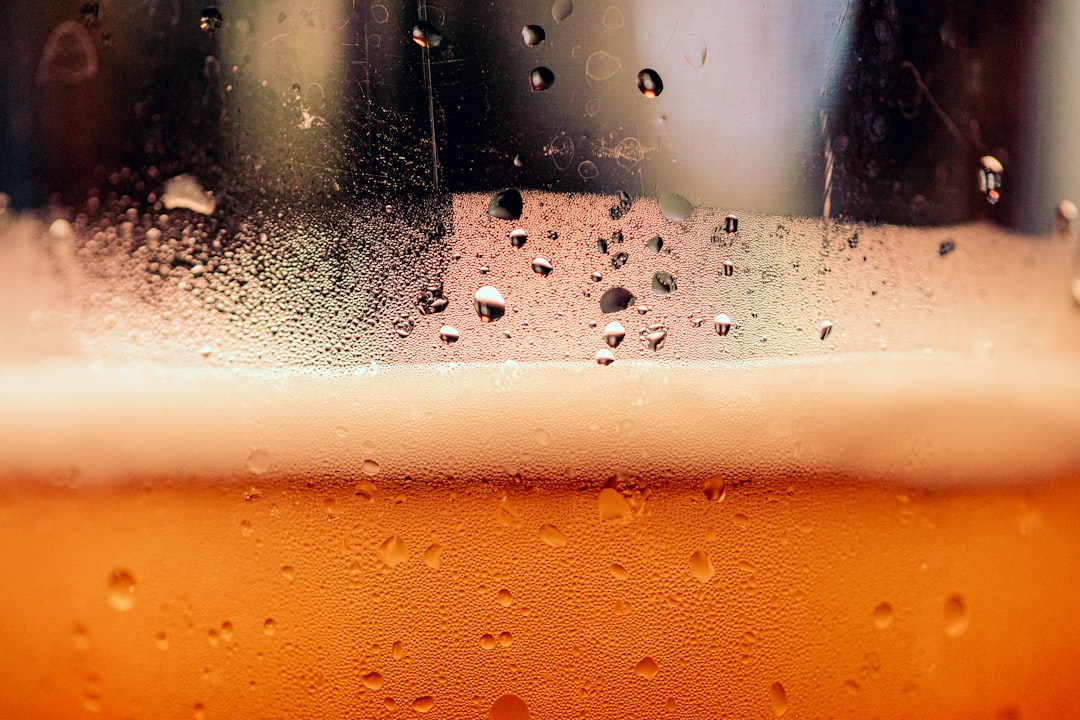
Nepa, is the abbreviation for the term “New England Pale Ale“. This beer style can be defined as a lower-alcohol and more sessionable version of the NEIPA (New England India Pale Ale) style, which has become very popular worldwide in recent years.
Key Characteristics of Nepa
We can summarize its basic features as follows:
1. Appearance (Haze)
Nepa‘s most distinctive feature is its hazy appearance. It is not clear like classic beers; it looks like fruit juice (usually peach or orange juice) thanks to the suspended proteins and yeast within it.
2. Aroma and Taste
Fruity: Rather than bitterness, tropical fruit aromas (mango, pineapple, passion fruit) and citrus notes are prominent.
Low Bitterness: Unlike classic Pale Ales or IPAs, the harsh hop bitterness (IBU value) that lingers in the throat is quite low.
Smooth Drinkability: Leaves a “velvety” or full-bodied sensation in the mouth. This usually results from the oats or wheat used in its production.
3. Technical Difference
In Nepa production, hops are usually added at the end of the boil or during fermentation (dry hopping). This method locks in the oils and aromatic scent of the hops, rather than their bitterness.
What is NEIPA?
NEIPA, fully “New England India Pale Ale“, is the most popular and characteristic style of modern beer culture. It is also known as “Hazy IPA“.
Unlike classic, crystal-clear and harshly bitter IPAs, NEIPA is a style entirely focused on appearance, aroma, and mouthfeel.
Key Characteristics of NEIPA
Hazy Appearance: This is the hallmark of NEIPA. The oats, wheat, and special yeast types used prevent the beer from clarifying, making it appear opaque and smooth like freshly squeezed fruit juice.
Tropical Explosion: The high amount of hops used during production (especially in the “dry hopping” stage) creates dominant aromas such as mango, pineapple, peach, citrus, and passion fruit.
Low Bitterness: Unlike traditional IPAs, the bitterness of the hops is minimised in NEIPA. Instead of a throat-burning bitterness, a pleasant aromatic intensity is felt on the palate.
Full Mouthfeel: The use of oats and wheat makes the beer’s body “soft” and “velvety“. It is very smooth to drink.
Why “New England”?
This style emerged in the early 2010s when homebrewers in the northeastern United States (New England region) broke traditional rules to produce unfiltered, hazy, and fruity beers. It is also referred to as “Vermont-style IPA“.
Key Differences Between Nepa and NEIPA
Nepa (New England Pale Ale) and Neipa (New England India Pale Ale) are essentially “sibling” styles. The difference between them is based on the same logic as the “Pale Ale vs. IPA” distinction in the beer world.
Here are the key differences between them:
1. Alcohol By Volume (ABV)
NEPA: Generally lower (range of 4.5% – 5.5%). This makes it a “Session” style, meaning it’s easier to drink more than one in a sitting.
NEIPA: Generally higher (range of 6.0% – 8.0%+). This gives it a more full-bodied and intense character.
2. Body and Density
NEPA: Has a lighter body. It leaves a less intense sensation in the mouth, and is more refreshing.
NEIPA: Is quite full-bodied (sometimes approaching a “smoothie” consistency). The use of oats and wheat is much more pronounced in this, coating the palate more.
3. Hop Usage (Hop Intensity)
NEPA: Hop aroma is prominent but at a more “balancing” level.
NEIPA: Hop usage is much more radical and intense (“aggressive“). There is more of an aroma “bombardment“.