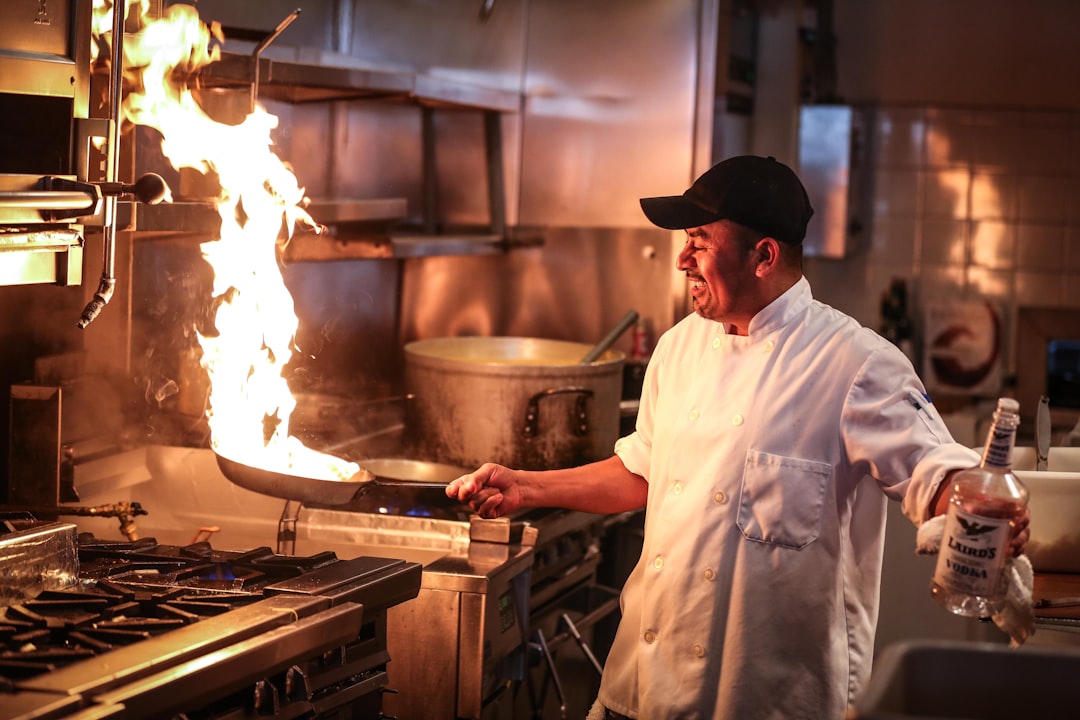
The flamboyant, large-flamed, and constantly tossed cooking style refers to several specific techniques used in professional kitchens. The main dishes chefs make with these methods and the techniques they use are:
“Stir-Fry” (Quick Cooking in a Wok Pan)
In this technique, native to Asian cuisine, wide and deep wok pans are placed on very high-heat burners. Chefs continuously shake the pan back and forth, tossing the contents to prevent burning and to cook all sides evenly. As the high flame licks the pan, a smoky aroma called “Wok Hei” (Breath of the Wok) transfers to the food.
* Dishes Made:
1. Noodle (Chinese noodles) varieties
2. Vegetable chicken or beef
3. Sweet and sour dishes
4. Egg fried rice
Flambe (Flaming)
This technique involves the flame in the pan suddenly rising several meters high. Chefs intentionally set fire to the hot pan by adding a high-alcohol spirit such as cognac, rum, or whiskey. This causes the alcohol to burn off, leaving behind only the caramelized aroma of the spirit.
* Dishes Made:
1. Meat dishes like pepper steak (Steak au Poivre)
2. Shrimp and seafood
* Desserts:
1. Crepe Suzette (orange crepe)
2. Bananas Flambe
Sauté (Sautéing)
The word’s meaning comes from the French “to jump” or “to bounce“. It is the process of cooking food by constantly tossing it in a pan over very high heat, using a small amount of oil. The goal is to quickly sear the outside of the food and keep its juices inside.
* Dishes Made:
1. Meat and chicken sauté
2. Mushrooms
3. Finely chopped fresh vegetables
So, which global dishes feature these techniques?
The most popular and iconic global dishes from world cuisines that use these techniques are:
Quickly Tossed Dishes in a Wok Pan (Stir-Fry)
Although originating in Asia, these are the most well-known high-heat dishes worldwide:
1. Pad Thai (Thailand): Rice noodles, egg, tamarind paste, fish sauce, shrimp or chicken; cooked by continuously tossing in a wok over high heat.
2. Lomo Saltado (Peru): A famous synthesis of Asian and South American cuisine. Sliced beef, red onion, tomatoes, and french fries are tossed in a wok with soy sauce over high heat.
3. Nasi Goreng (Indonesia): A famous fried rice dish made in a wok over high heat, using a rich and sweet soy sauce (kecap manis).
4. Kung Pao Chicken (China): A classic Sichuan dish where chicken pieces, peanuts, vegetables, and dried chili peppers are quickly tossed in a wok.
Dishes Using the Flaming Technique (Flambe)
These are elaborate dishes, usually of French culinary origin, made by igniting alcohol:
1. Steak au Poivre (France): Beef fillet coated with coarsely crushed black peppercorns is seared over high heat. Cognac is added to the pan and flamed, creating a rich sauce from the remaining meat juices.
2. Bananas Foster (USA – New Orleans): Bananas are sautéed with butter, brown sugar, and cinnamon. Then rum is added and flamed (flambe), served over vanilla ice cream.
3. Saganaki (Greece): A hard cheese is fried in a pan, and often ouzo or cognac is poured over it and flamed, then served at the table.
4. Crêpes Suzette (France): A classic dessert made by flaming crepes, bathed in a sauce prepared with orange juice, butter, and sugar, with Grand Marnier (orange liqueur) poured over them.
High-Heat Sautéing and Emulsification (Sauté & Tossing)
Techniques in Western cuisines where the pan is quickly pulled back and forth, flipping the food in the air:
1. Fajita (Mexico / Tex-Mex): Julienne-cut meat or chicken slices, onions, and colorful peppers are sautéed in a cast-iron pan over very high heat. Ingredients are continuously tossed during cooking.
2. Gambas al Ajillo (Spain): A staple of Spanish tapas culture. Shrimp are quickly tossed over high heat with plenty of garlic, extra virgin olive oil, and chili peppers.
3. Traditional Italian Pasta Dishes (Italy): In pastas like Aglio e Olio (Garlic and Oil) or Carbonara, high heat and tossing are used to bind the sauce. Pasta is transferred from the water to the pan with oil/sauce, a bit of starchy cooking water is added, and the chef continuously shakes the pan back and forth to emulsify the oil and water into a creamy sauce.
How long do the pans used in this work last?
Carbon Steel Wok Pans (6 Months – 2 Years)
Wok pans used in the high-heat “Stir-Fry” technique in Asian cuisine are made from thin carbon steel so they can instantly transfer heat to the food and be easily tossed by the chef.
* Lifespan:
1. In busy restaurants that serve hundreds of orders a day, the jet flames of wok burners eventually stress the steel’s structure, thinning or warping the metal. In such establishments, wok pans are replaced every 6 months to 1 year.
2. In quieter establishments, they can last up to 2 years with proper care.
Stainless Steel Sauté Pans (5 – 10+ Years)
Stainless steel pans are most commonly preferred for flambe, sautéing, or binding sauces for pasta.
* Lifespan:
1. They are the tanks of the professional kitchen. They are incredibly resistant to high heat, acidic foods (wine, lemon, tomato), and metal whisk impacts. A quality industrial-grade stainless steel pan will easily serve for 5 to 10 years, even with heavy use.
2. The pan itself usually doesn’t break; they are discarded when the rivets holding the handle loosen from years of being tossed in the air and hitting the stove grates.
Cast Iron Pans (Lifetime)
Used for Fajita or heavy meat searing processes.
* Lifespan:
1. Almost infinite. They can remain in the kitchen for generations unless they physically fall and crack.
2. However, because they are very heavy, they cannot be used for active sautéing where chefs toss food in the air.
Why Don’t They Use Non-Stick (Teflon) Pans?
Non-stick pans are never used in those big flaming shows you see on TV. Teflon coating melts at high heat (260°C and above) and releases toxic gases. Teflon pans, kept in the kitchen only for delicate tasks like eggs, have a maximum lifespan of 1 to 3 months in a busy restaurant.
What Really “Kills” a Pan?
In professional kitchens, the number one factor causing steel pans to be discarded is not old age, but thermal shock. Chefs sometimes plunge a blazing hot pan directly under cold water to speed up service. This sudden temperature change causes the metal to contract abruptly, leading to the pan’s bottom warping (doming). A pan that has lost its flat bottom can no longer be used because it cannot distribute heat evenly.
Read more · Drinks & foods
 The World’s Most Expensive Meat and Beer-Fed Cows
 A Cocktail Classic; Porn Star Martini
 Application of Roll Technique in Cocktails
 When Did Beer Start Being Drunk Cold?
 Why Are There Three Coffee Beans in an Espresso Martini?
 Why Does Olive Brine Not Taste Like Olives?
 Did the First Restaurant Chef Rules Emerge from France?
 Should Cheddar Sauce Be Consumed Hot or Cold?
 Fanta’s Emergence in World War II
 The Functional Role of Foam in Cocktails
 Have You Ever Eaten Churros?
 What is called “bitter”?
Leave a Reply