The history of marriage is considered one of the oldest and most fundamental social institutions in human history. However, the concept of “marriage” has evolved over thousands of years from a survival strategy to a religious duty, and then to a modern “love contract“.
Here are the main outlines of the historical journey of marriage:
Early Periods: Survival and Alliance
The first known written marriage records emerged around 2350 BC in Mesopotamia (Sumerians). However, during this period, marriage was not about romance, but rather for purely practical reasons:
- Preservation of Property: Determining who would inherit land and assets.
- Cooperation: Ensuring peace between tribes and increasing labor force.
- Legitimacy: Clarifying the lineage and legal rights of children.
The Ancient World and Roman Law
In Ancient Greece and Rome, marriage was a means to maintain citizenship rights.
“Affectio Maritalis” in Rome: Romans viewed marriage as a union based on the parties’ intention to remain married, rather than a mere legal status. Divorce was quite common during this period.
Dowry Tradition: The custom of the bride’s family giving assets to the groom became widespread in ancient times to cover the woman’s expenses in her new home and to create a kind of insurance.
The Middle Ages and the Role of the Church
With the rise of Christianity, the definition of marriage began to change.
Sacred Bond: Until the 12th century, marriage was mostly a civil contract, but the Catholic Church accepted marriage as a “sacrament” (holy rite) in 1563 (with the Council of Trent).
Spiritual Approval: From this period onwards, it became mandatory for marriages to be performed in the presence of a priest and in a church to be considered valid.
The Modern Era: The Discovery of Love
The Enlightenment in the 18th century and the subsequent Industrial Revolution radically changed the nature of marriage:
- Love Marriage: With increasing economic independence, young people began to break free from family pressure and enter into marriages based on “emotion” rather than “logic“.
- Civil Marriage: After the French Revolution (1789), the understanding that marriage is not only a religious but also a legal contract before the state (Civil Code) began to spread worldwide.
Historical Turning Points of Marriage
| Period | Primary Purpose | Decision Maker |
|—|—|—|
| Ancient Era | Property and Lineage | Family Heads |
| Middle Ages | Religious Duty / Alliance | Church and Family |
| Victorian Era | Social Status / Love | Individual and Family |
| Today | Emotional Fulfillment / Partnership | Individuals |
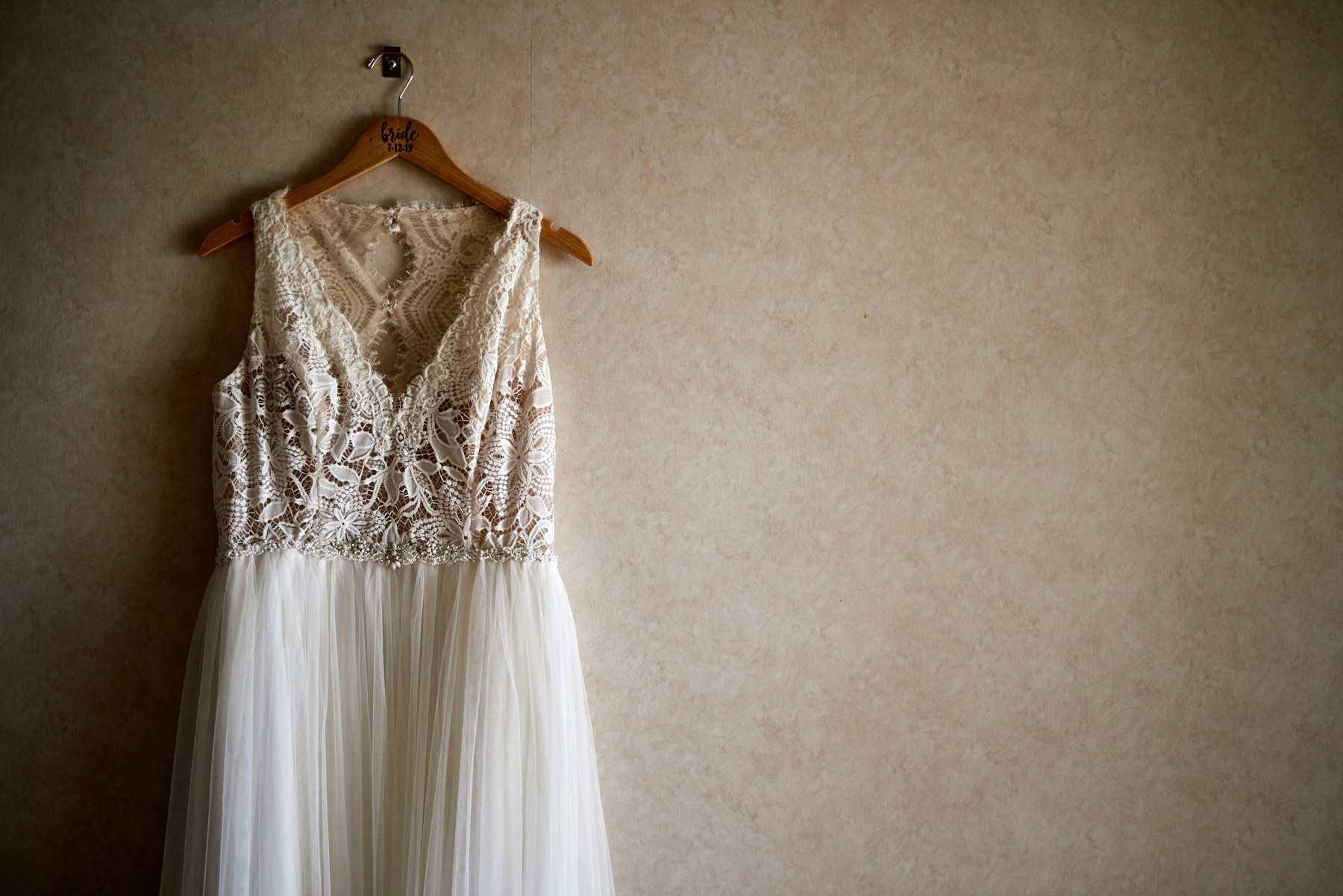
A brief note: The tradition of the “white wedding dress” as we know it today is much more recent than commonly thought; it became popular with Queen Victoria‘s wedding in 1840.
Where Does the Wedding Dress Trend Come From?
The wedding dress trend, especially in its “all-white and voluminous” form as we know it today, dates back to a much more recent past than commonly believed. One name and one wedding played a leading role in the start of this trend: Queen Victoria of England.
Here is the evolution of the wedding dress from its colorful past to today:
Queen Victoria and the 1840 Revolution
Until 1840, there was no standard color for brides. Women usually wore their best dress. However, Queen Victoria, marrying Prince Albert, made a radical decision to wear a white dress.
Why White? At that time, white not only symbolized purity but also was a great indicator of wealth. Because white clothes were almost impossible to clean; this proved that you were rich enough to wear that dress only once.
Lace Detail: The Queen adorned the dress with elaborate laces to revive the English lace industry. With this move, she became a fashion icon worldwide.
Pre-Victoria: The Language of Colors
Before Victoria, wedding dresses were generally based on social status and utility:
- Blue: Being a symbol of purity and the Virgin Mary, it was one of the most popular wedding dress colors in the Middle Ages (the “Something blue” tradition comes from here).
- Red: As it symbolizes power and fertility, it is still a dominant color in many cultures (especially in the East).
- Practicality: Lower-class women preferred dark-colored (grey, black, brown) dresses that they could wear after the wedding.
The Globalization of the White Wedding Dress
The trend started by Queen Victoria did not immediately spread to the general public. Initially, only the elite class could afford this luxury. However:
- With the Industrial Revolution, textile production became cheaper.
- After World War II, with increasing prosperity, the white wedding dress became indispensable for the middle class as well.
- Hollywood and Media: The glamorous white weddings of 1950s movie stars instilled the perception that “a bride isn’t a bride without a white dress” worldwide (due to Western influence).
Wedding Dresses in Other Cultures
While white dominates in the West, the situation is different in other cultures with deep-rooted traditions:
- China and India: Red is the primary choice for brides as it is believed to bring good luck and happiness in traditional weddings.
- Ancient Turkish Traditions: In Turkish culture, red, scarlet, and bright colors were prominent rather than white (the red sash tradition is a reflection of these roots).
Did you know? Until the 19th century, wearing a black wedding dress was quite common, especially in some parts of Scandinavia, as a symbol of piety and seriousness.
Today, wedding dress fashion has completely broken away from the rule that “white is the only option“. Modern brides now choose a wide variety of colors to reflect their personal styles, cultural roots, or wedding concepts.
Here are the most preferred wedding dress colors and trends other than white, currently in the world and Turkey:
Pastel and “Nude” Tones (Most Popular Alternatives)
For brides avoiding the harshness of pure white (optic white), these tones have now become classics:
- Ivory and Ecru: They are softer than pure white and thus better suited for most skin tones.
- Champagne and Powder (Blush): Very popular especially for garden and beach weddings as they add a romantic touch.
- Blue and Lavender: Very light, “ice blue” or “dusty lavender” tones are a favorite for brides who want to look “unusual but elegant“.
Cultural and Traditional Colors
In a large part of the world, white was never the only option:
- Red: In countries like China, India, Vietnam, and Pakistan, it is the main choice for brides as it is the color of happiness, luck, and fertility.
- Golden Yellow: Especially in India and Middle Eastern weddings, it symbolizes wealth and grandeur; it is used with intricate embroideries.
- Bordeaux and Green: In some Caucasian and Central Asian cultures, traditional garments consist of these dark and noble colors.
Modern and Bold Choices
With the trend of “breaking the rules” in the fashion world, these colors have also moved from runways to street weddings:
- Black: It is now seen as a “sophisticated and noble” choice not only in Scandinavia but throughout the world. It is especially preferred for Gothic or very minimalist modern weddings.
- Metallic Colors (Silver and Bronze): Although we see them more in “after-party” dresses, they are also used by brides who love glitter in their main wedding dress.
- Floral Wedding Dresses: Models with colorful flower embroideries or prints on a white background are one of the biggest “boho” trends of recent years.
Related reading
 Culture & ArtThe Curious Case of Buttons: Why Men’s and Women’s Shirts Differ
 Culture & ArtThe Oldest Toy; Yoyo
 Culture & ArtThe Return of Wired Headphones Fashion; The Wired It Girl Trend
 Culture & ArtInitial Wearing of Tights by Men
 HistoryWashing Clothes with Urine in Ancient Rome
 Culture & ArtThe Concept and Characteristics of Sprezzatura
 Life & HealthWere artificial nails invented for nail-biters?
 Culture & ArtThe Flower That Saved the King’s Life, Meanings of the Lily Flower
Read more · Culture & Art
 Scent Chess: A Sensory Experience
 Batman Alley in São Paulo
 The Barefoot Tradition: Why We Take Off Our Shoes Indoors
 Chess Boxing: Rules and Challenges
 Why Do We Say “Cheese” for Photos? The Curious History of a Smiling Command
 The Unique Character of French Literature
 The Big Secret: There is No “Chinese” Language
 Where is the Original David Statue?
 Beyond Craft: Giotto and the Birth of the Artist
 The Art of Greeting: History and Meaning of Cultural Rituals
 The Eras Tour & The Swiftie Phenomenon: A Cultural Anatomy of Collective Ecstasy
 Is the Maldives Governed by Sharia Law?
Leave a Reply