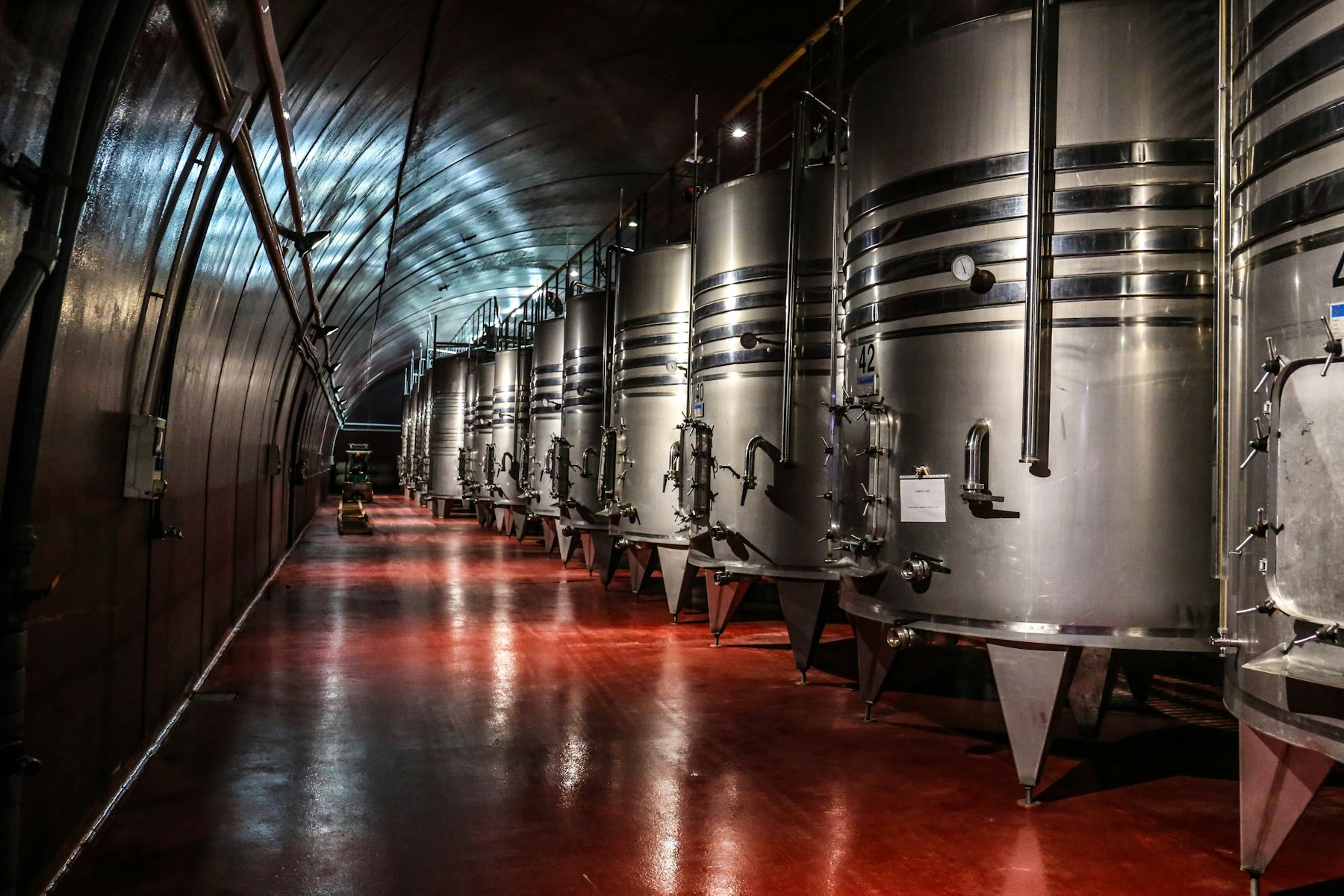
The world’s oldest continuously operating brewery is generally accepted to be Bayerische Staatsbrauerei Weihenstephan. Located in Freising, Bavaria, Germany, the official establishment date of this brand is accepted as 1040. However, there is a historical disagreement and debate regarding the title of the world’s oldest beer producer:
- Weihenstephan (1040): The year 1040, when Archbishop Arnold received a license from the city of Freising to produce and sell beer at the monastery, is accepted as the official beginning.
- Weltenburg Abbey (1050): Weltenburg Abbey Brewery, also located in Bavaria, uses the title of the world’s oldest monastic brewery, stating that it has been producing beer since 1050. Since the historical validity of Weihenstephan‘s 1040 document is disputed, some historians argue that Weltenburg might actually be the oldest production facility.
Does the Taste Remain the Same?
There is no taste resemblance between beers produced in the 11th century and today’s Weihenstephaner or Weltenburg products. Today’s beers reflect a perfected modern profile, the result of hundreds of years of technological, biochemical, and legal evolution, not the original 1040 formulas.
The main technical reasons why past beers had completely different tastes from today are as follows:
- Lack of Pure Yeast Culture: Until the late 19th century (until Emil Christian Hansen isolated single-cell yeast in Carlsberg laboratories in 1883) beers were spontaneously fermented in open vats with wild yeasts and bacteria from the environment. For this reason, beers of that period generally had a sour, unpredictable, quite cloudy, and acidic taste. Producing today’s stable and clean lager or wheat beer profiles was technically impossible then.
- Use of Gruit Instead of Hops: Hop usage was not standard in the 11th century. A herbal mixture called “Gruit,” consisting of yarrow, bog myrtle, wormwood, and various spices, was used to preserve beer and add bitterness. This gave beers an earthy and intensely spicy taste, rather than today’s floral or citrusy bitterness.
- Malting over Open Fire: Since there were no modern kilning technologies, barley and wheat malts were roasted over open wood fires. Therefore, almost all beers produced in the 1000s were dark-colored and had a very intense smoky (soot) flavor. The production of today’s golden-yellow, clear wheat beers only became possible with the development of indirect heating methods after the Industrial Revolution.
- 1516 Bavarian Purity Law (Reinheitsgebot): Recipes in the Bavarian region changed radically with this law, enacted in 1516. The law mandated that beer be made only with water, barley, and hops (the concept of yeast was understood and added to the law later). Before this date, fruits, roots, and various herbs could be added to beers.
Related reading
 Drinks & foodsWhen Did Beer Start Being Drunk Cold?
 HistoryThe French’s Fear of Potatoes at One Time
 Drinks & foodsAre Peanuts Eaten with Beer? The Indispensable Part of Pub Culture
 Drinks & foodsUsing Copper Mugs for Drinks; Moscow Mule
 Drinks & foodsThe Use of Perfume Support Alongside Food in the Past
 HistoryBeer Before Bread Theory
 Drinks & foodsAn Examination of Dua Lipa’s Interesting Palate
 Drinks & foodsWhen Did Humans Start Choosing Food?
Read more · Drinks & foods
 Have You Ever Tried Olmeca Dark Chocolate?
 Did the First Restaurant Chef Rules Emerge from France?
 The World’s Most Expensive Meat and Beer-Fed Cows
 What is called “bitter”?
 Is Bison Meat Healthy?
 Only One Pineapple Grows Per Plant
 Why Does Olive Brine Not Taste Like Olives?
 What is Nepa Beer and NEIPA Beer?
 Kauai Island; Taro, Hawaii, Vodka
 Fanta’s Emergence in World War II
 Sauvignon Blanc Wine and Its Origin
 Application of Roll Technique in Cocktails
Leave a Reply