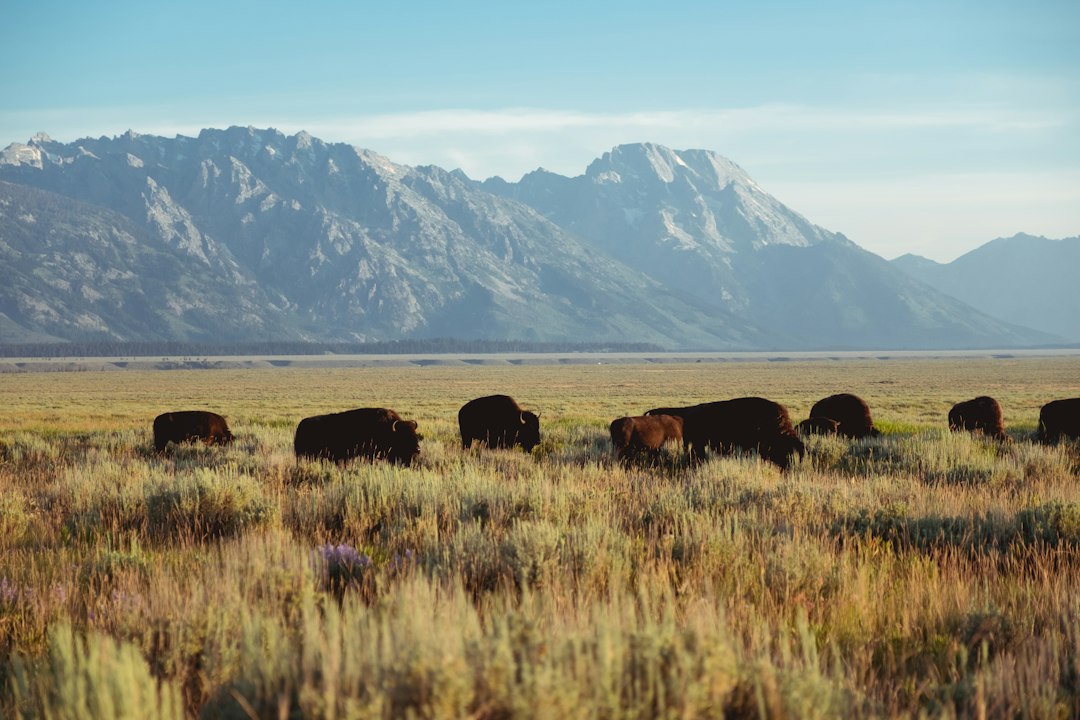
Bison meat, with its nutritional values and low fat content, is one of the healthiest red meat alternatives in the world, but it is scientifically difficult to declare a single type “the healthiest in the world”. Other lean meats like ostrich, venison, or chicken breast also have quite similar health profiles.
Nevertheless, bison meat has distinct advantages, especially when compared to standard beef:
Prominent Features of Bison Meat
- Low Fat and Calories: Bison meat contains approximately 30% less fat than beef and is much lower in calories. It has a lean structure comparable to skinless chicken breast.
- High Protein: 100 grams of cooked bison meat provides approximately 26-28 grams of high-quality protein.
- Rich Micronutrients: It is even richer than standard beef in iron, zinc, and vitamin B12, which are the biggest advantages of red meat.
- Better Fat Profile: Since they are mostly raised by grazing freely in pastures (there is very little factory farming), their omega-3 and heart-friendly CLA (conjugated linoleic acid) ratios are much higher compared to standard beef.
Comparison with Other Meats
- Beef (Veal) vs. Bison: Bison is much more advantageous than beef in terms of cholesterol, saturated fat, and calories.
- Chicken vs. Bison: Both are high in protein and low in fat, but bison meat is much more nutritious than chicken in terms of iron and B12, which support blood production and the nervous system.
- Ostrich and Venison vs. Bison: These game meats are bison’s biggest rivals for the title of “healthiest meat”. For example, ostrich meat tastes like beef, just like bison, but has very low values in terms of cholesterol, calories, and fat.
In summary: Bison meat is one of the healthiest options available for those who want to protect their cardiovascular health and eat a low-fat diet without giving up the flavor and vitamins of red meat.
Is it a widely consumed type of meat?
No, compared to standard meat types (beef, chicken), bison meat consumption is quite low worldwide. Despite its very good health profile, it is positioned as a “niche” (special and rare) product in the global market.
The main reasons why bison meat is not widely consumed are:
- Unsuitability for Industrial Production: Bison are closer to their wild nature than cattle, so they are not suitable for being raised in confined spaces (factory farming systems). They need very large areas where they can graze freely. This limits the number of animals and meat production capacity.
- High Price: Due to costs such as low supply, the need for large areas, and animals reaching slaughter maturity later, bison meat is sold at an average of 2-3 times higher prices than beef in the market.
- Geographical Limitation: A very large part of consumption and production takes place in North America (USA and Canada), the animal’s homeland. However, even in America, the amount of beef consumed is thousands of times the amount of bison meat.
- Situation in Turkey: In Turkey, bison meat is not among daily consumption habits and is quite difficult to find. It can only be found on the menus of a very limited number of luxury restaurants or at gourmet butchers specializing in special imports at high prices.
Leave a Reply