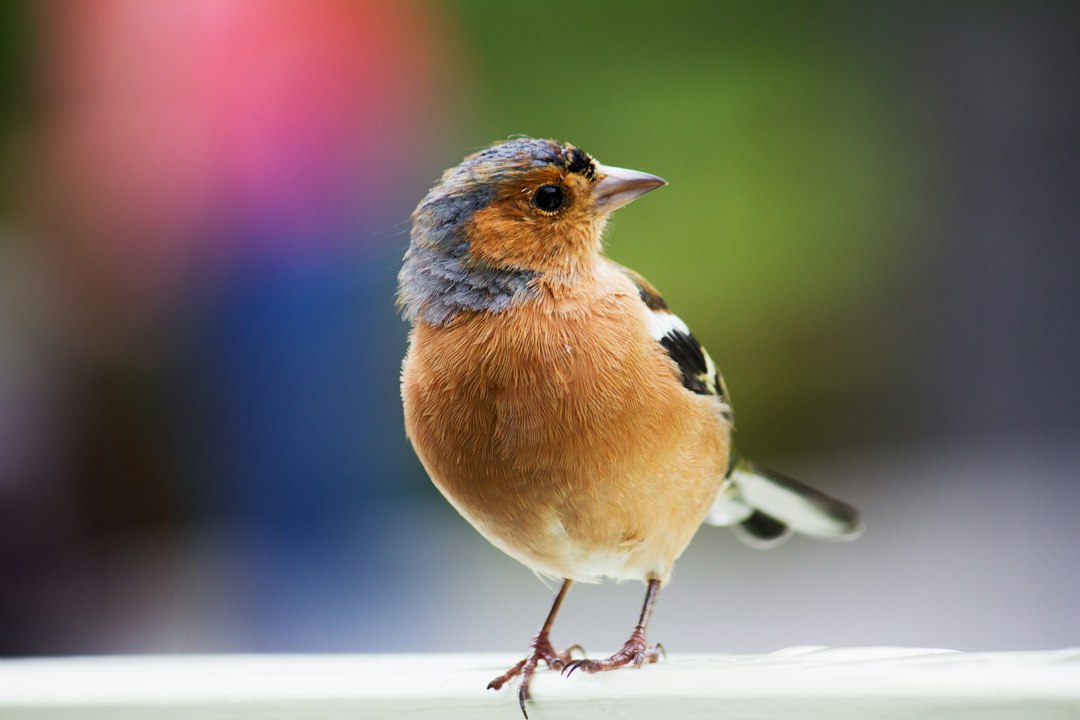
Crows (and in fact, over 200 bird species like magpies, jays, starlings) go to ant nests when they get sick, when parasites proliferate on them, or when their feathers get old and start causing discomfort.
In science, this behavior is called “Anting“. Birds do this in two different ways:
1. Active Anting: The bird catches an ant with its beak and directly rubs it among its feathers, especially under its wings and at the base of its tail.
2. Passive Anting: The bird spreads its wings and settles directly on an ant nest, allowing the ants to crawl through its feathers.
Behind this unusual behavior lie very logical biological reasons that ensure the survival of birds:
Biological Reasons for Anting
-
Natural Disinfection with Formic Acid
Ants secrete formic acid as a defense mechanism when they feel threatened. This acid kills or repels parasites like lice, ticks, mites that settle among the birds’ feathers and make them sick. Birds, in a way, self-medicate. -
Fungal and Bacterial Treatment
Formic acid is not only effective against visible parasites but is also a powerful antiseptic against fungal infections and harmful bacteria that may occur on the bird’s skin. Birds use this method as a treatment when they get infected and sick. -
Feather Care and Relief
The “molting” periods, when birds shed their old feathers and grow new ones, are often itchy and painful. Ants crawling on the skin and the acid they secrete have a massage effect on the bird, relieving the skin, facilitating the shedding of old feathers, and helping new feathers grow healthily. -
Making Ants “Edible”
According to some scientists, birds rub ants on their feathers to drain the bitter and burning formic acid before eating them. They then enjoy eating the ant once its acid is depleted.
Crows, being incredibly intelligent and observant animals, know very well which ant species (generally Formica genus ants, which have a high formic acid content) will benefit them, and they use these nests almost like a “natural pharmacy“.
Not all birds do this. While anting behavior is common in the bird world, it is a survival strategy specific to certain groups.
So far, this behavior has been observed in over 200 bird species worldwide. This number constitutes a small portion of the total bird species diversity in the world (approximately 10,000+ species).
If we look at the common characteristics of birds exhibiting this behavior and which birds do not, the situation becomes clearer:
Who Ants the Most?
Anting behavior is predominantly observed in species belonging to the Passeriformes order (Perching Birds). Birds with high intelligence, problem-solving abilities, and mimicry skills frequently use this method:
* Corvidae (Crows, Magpies, Ravens, and Jays): These are masters of this practice.
* Starlings and Blackbirds: These are other species you can most often see lying on ant nests in gardens.
* Finches, Thrushes, and Weaver Birds: These are also groups of perching birds that exhibit this behavior.
Which Birds Never Do It?
Anting behavior is almost never seen in groups such as water birds, raptors, or sea birds.
* Ducks, Swans, and Pelicans: Since they are constantly in water and their feather structures (waterproof properties) are very different, they use water baths and their own special feather oils to protect against parasites.
* Raptors (Eagles, Hawks, Owls): Hunter birds have very different methods for parasite cleaning and feather care; they do not bother with ant nests.
* Galliformes (Pheasants, Partridges, Chickens): These birds prefer dust baths instead of formic acid to get rid of parasites and relax. They burrow in soil or ash to suffocate parasites.
What Do Birds That Don’t Ant Do?
Birds that do not engage in anting have evolved other methods to protect themselves from parasites and fungi:
* Sunbathing: They spread their wings fully towards the sun, causing parasites to die or flee from the heat.
* Water and Dust Baths: These are the most common cleaning methods.
* Uropygial Gland Oil: Birds spread an anti-bacterial and anti-fungal oil secreted from a special gland located at the base of their tail over their entire body with their beaks. This oil chemically mimics the function of formic acid.
What About Pigeons?
Pigeons do not engage in anting behavior. Pigeons and doves (Columbidae family) have evolved completely different methods to get rid of parasites and maintain their feathers.
If you see a pigeon lying on the ground in a strange position with its wings spread, it is probably sunbathing, not on an ant nest.
Here are the unique methods pigeons use to maintain their feather health and avoid diseases:
-
Sunbathing
Pigeons literally love the sun. They raise one wing into the air, fluff up their feathers, and expose themselves to the sun. The ultraviolet (UV) rays and heat from the sun cause lice and mites hidden among their feathers to dry out, die, or leave the bird. Sunlight also enables them to synthesize Vitamin D, which is vital for feather development. -
Water Bathing
Pigeons cannot resist clean water. They brilliantly flap their wings to wash themselves in shallow puddles, under fountains, or in a clean bowl if they are domesticated. Water cleans dirt and debris from feathers while also making it difficult for parasites to cling on. -
Powder Down Feathers
Crows and many other birds use the oil gland (uropygial gland) at the base of their tail to protect their feathers and make them waterproof. In pigeons, this gland is either very small or completely absent. Instead, pigeons have “powder down feathers“.
These special feathers constantly crumble to produce a fine, keratin-based powder similar to chalk dust.
Pigeons spread this powder all over their body when scratching and cleaning themselves.
This white powder layer both protects the feathers from parasites, provides waterproofing, and is the famous white dust that gets on your hands when you handle pigeons. -
Allopreening
Pigeons are social and monogamous animals. Mates brilliantly clean each other’s hard-to-reach spots, such as the back of the head and neck. This both strengthens their bond and provides parasite control.
In summary; while crows use ant acid as a chemical weapon to fight parasites, pigeons prefer the sun’s heat, water, and their own specially produced feather powder.
Leave a Reply