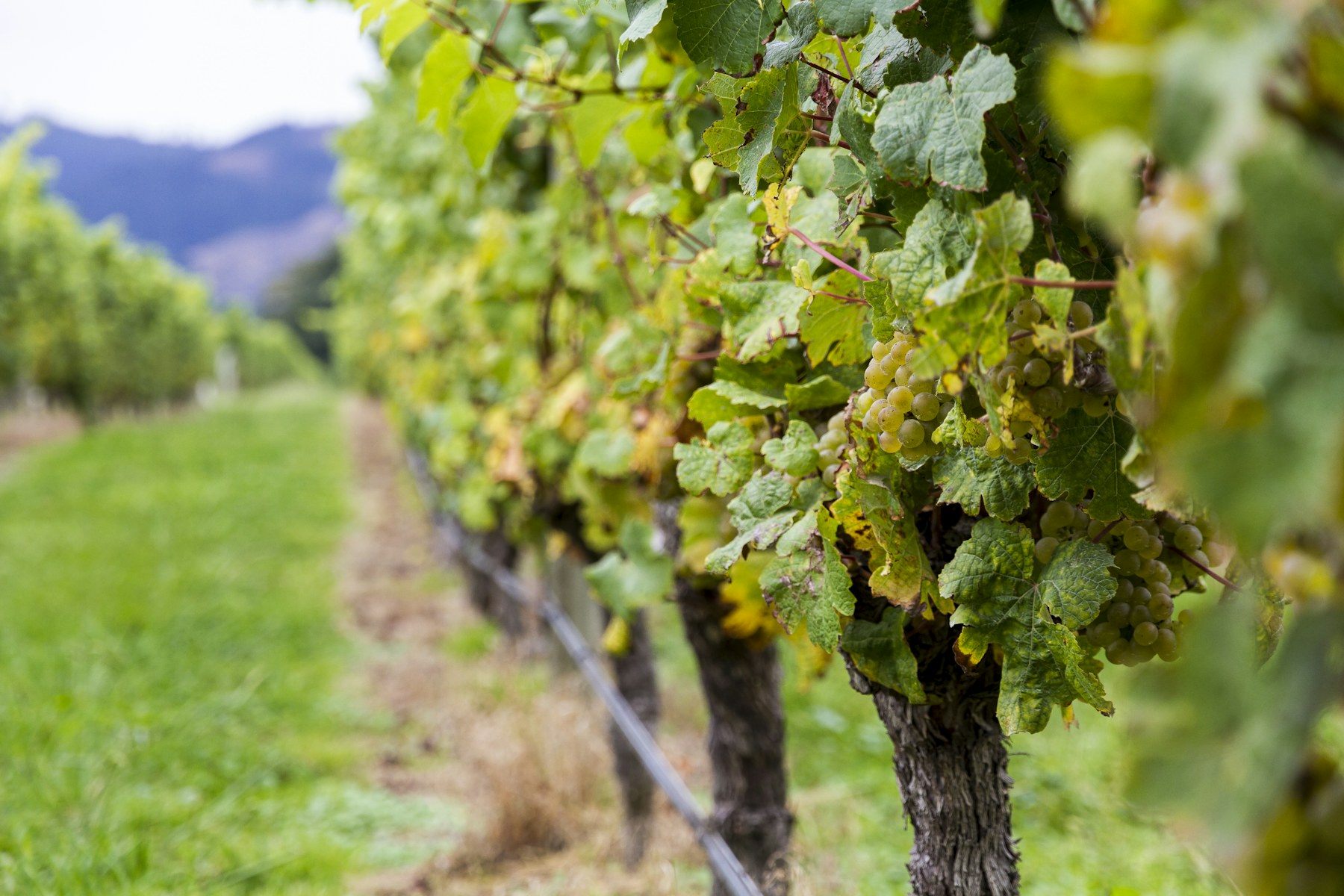
Sauvignon Blanc is one of the most characteristic, most “sui generis,” and globally recognized grape varieties in the world of white wine. If we were to summarize it in a single word, we could say “crisp” or “lively” for Sauvignon Blanc.
Here are the characteristic features that will greet you when you smell and sip a glass of Sauvignon Blanc:
Distinctive Style Characteristics
- High Acidity: It has a very distinct and vibrant acidity that makes your mouth water and hits from behind. This makes it incredibly refreshing.
- Light – Medium Body: It is generally not aged in oak barrels (with some exceptions). Since it is produced in stainless steel tanks, the grape’s own pure, fresh, and lightly fruity structure is preserved.
- Dry Character: It is generally processed completely dry; although its aromatic structure might feel sweetish, it contains no sugar.
Aromatic Profile (Terroir Difference)
Sauvignon Blanc takes on two distinct characters depending on the soil and climate in which it is grown:
1. Old World Style (e.g., France – Sancerre, Pouilly-Fumé): When grown in cooler climates, green aromas are dominant. You get fresh cut grass, green bell pepper, asparagus, gooseberry, and an intense mineral/flint smell. It is elegant and modern.
2. New World Style (e.g., New Zealand – Marlborough): In sunnier and warmer climates, it experiences an exuberant tropical explosion. Passion fruit, grapefruit, lime, pineapple, and sometimes tomato leaf aromas are prominent. It is very outgoing and aromatic.
Pairings and Serving
Its high acidity and herbal/citrus aromas make it a fantastic joker element in the kitchen:
1. Goat Cheese: It is one of the most iconic wine-cheese pairings in the world. The acidic and chalky texture of goat cheese achieves perfect harmony with Sauvignon Blanc.
2. Seafood: It goes wonderfully with anything eaten with a squeeze of lemon (fried mussels, calamari, grilled sea bass, shrimp); the wine virtually serves as the lemon for the dish.
3. Green Herbs and Sauces: Thanks to its herbal aromas, it pairs very well with rocket salads, basil/pesto pasta dishes, or asparagus recipes.
If you don’t like heavy, oily, or oaky white wines (like some Chardonnays); if what you’re looking for is a refreshing white that brings intense aromas to your nose and leaves a razor-sharp liveliness on the palate, Sauvignon Blanc is exactly that profile. It should definitely be served very cold (6-8 °C).
The Origin of Sauvignon Blanc: France
The homeland and origin of Sauvignon Blanc is definitively France. In fact, the word “Sauvage” in its name means “wild” in French; it received this name because it originated from wild vines in western France.
In France, this grape creates world-renowned legendary wines in two different regions, and in both, its style is entirely different:
- Loire Valley (Power on Its Own)
The purest, most elegant, and driest (sek) examples of Sauvignon Blanc come from here. Here, the grape is usually not blended with any other grape (processed as dry).
Sancerre and Pouilly-Fumé: These two sub-regions are the pinnacle of Sauvignon Blanc. Due to the volcanic and calcareous soils, it is possible to perceive a very distinct flint (mineral) and smoky aroma in the wines here, in addition to fresh cut grass and green fruits.
- Bordeaux (Part of Blends)
While Bordeaux always brings red to mind, its whites are also very special. However, in Bordeaux, Sauvignon Blanc is usually not bottled alone; Sémillon (sometimes Muscadelle) grapes are added to it to create a blend (assemblage).
Dry Whites (Pessac-Léognan / Graves): Sémillon adds body and oiliness to this blend, while Sauvignon Blanc provides acidity and freshness. Some examples here are also aged in oak barrels.
Sweet Whites (Sauternes): In this region, where the world’s most famous and expensive sweet wines are made, Sauvignon Blanc again works with Sémillon. In these wines made from grapes affected by “noble rot” (Botrytis cinerea), Sauvignon Blanc provides the life-saving acidity that balances that intense sweetness.
A Small Side Note: The New Zealand Factor
Although its origin is France, the second major giant that comes to mind today when Sauvignon Blanc is mentioned worldwide is New Zealand (especially the Marlborough region). After the 1980s, Sauvignon Blancs produced here challenged France’s elegant and mineral style, creating a much more exuberant and popular style, heavily scented with tropical fruit (passion fruit, grapefruit).
Related reading
 Drinks & foodsHaving a Wine Agency in Georgia
 Culture & ArtCanvas Brands Used by Van Gogh
 Culture & ArtRecent Events in France
 HistoryIs Monaco a Country?
 Culture & ArtThe Man Who Drank Wine His Whole Life and Died After Drinking Water
 HistoryFrance Sinks Greenpeace’s Ship
 Drinks & foodsDid the First Restaurant Chef Rules Emerge from France?
 Life & HealthIs Car-Free Day a Global Event?
Read more · Drinks & foods
 An Examination of Dua Lipa’s Interesting Palate
 Have You Ever Eaten Churros?
 The Use of Perfume Support Alongside Food in the Past
 What is called “bitter”?
 When Did Beer Start Being Drunk Cold?
 Spanish Russian Salad
 What is Umami?
 Why Are There Three Coffee Beans in an Espresso Martini?
 Glycerin; Aroma Carrier
 Application of Roll Technique in Cocktails
 Is Bison Meat Healthy?
 When Did Humans Start Choosing Food?
Leave a Reply