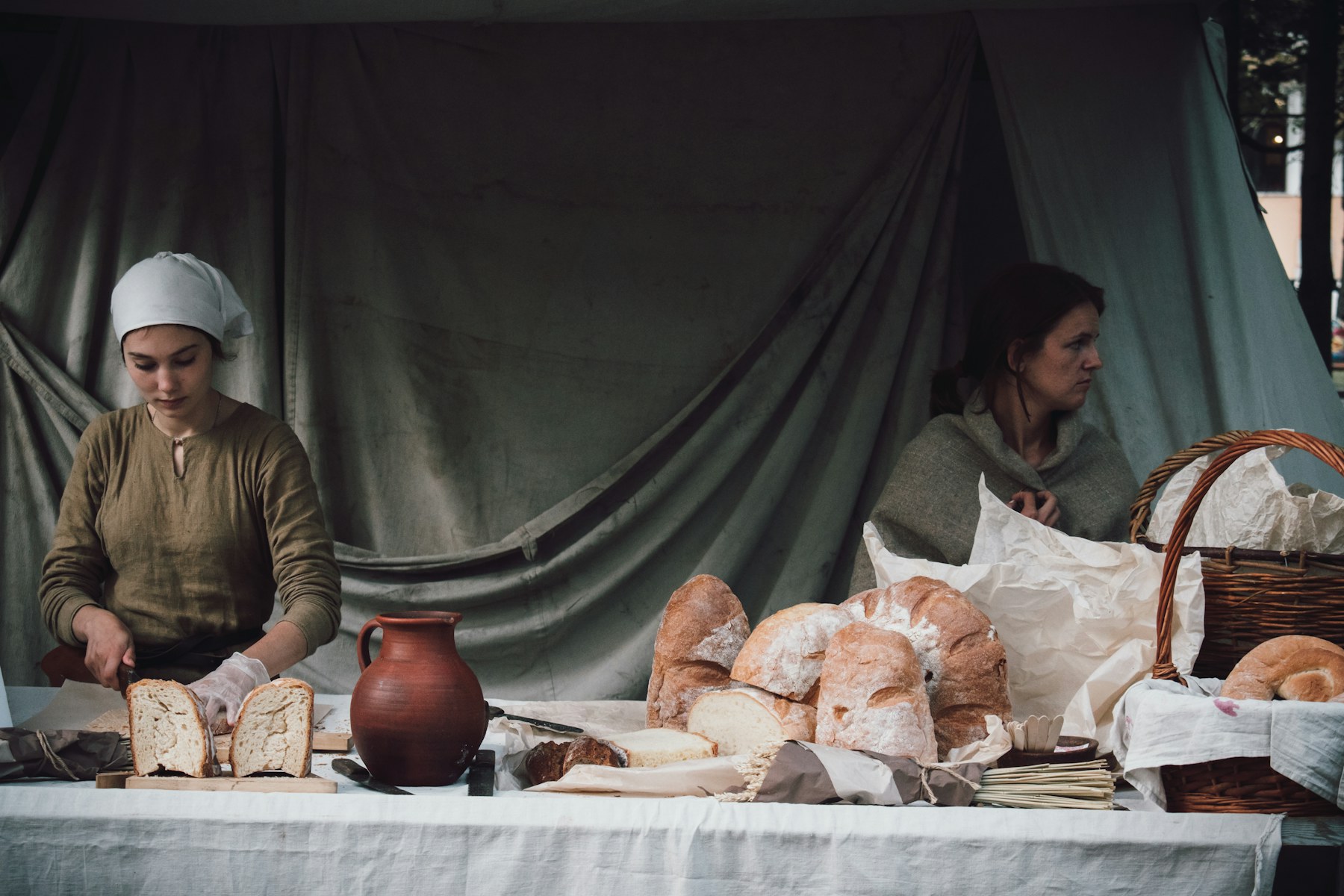
From Antiquity to the Early Modern Period, aromatic oils, flower waters, and animal extracts used as perfume were directly added to foods and drinks. In those times, the senses of smell and taste, and medical science, were not distinctly separated from each other.
Historical “Perfume” Components and Reasons
Historically, the main “perfume” components used in foods and their reasons are as follows:
- Rose Water and Orange Blossom Water: They were widely used in many recipes, from meat dishes to desserts, sherbets to pilafs, in the medieval Islamic geography (especially in Abbasid and Ottoman palace cuisines) and in the European aristocracy influenced by it.
- Musk and Amber (Ambergris): Today, musk (musk deer secretion) and amber (substance obtained from the digestive system of the sperm whale), which are the base notes of luxury perfumes, were added to meat sauces, wines, and confections in Medieval and Renaissance Europe as a sign of wealth and status.
- Camphor, Sandalwood, and Agarwood: Especially in Arabic cookbooks written between the 10th and 13th centuries (e.g., Kitab al-Tabikh), woody aromas like camphor and sandalwood were added to dishes both to give fragrance and to balance the food’s “temperament.”
- Medicinal and Preservative Reasons: According to the medical understanding of the era (Galenic medicine and the four humors theory), beautiful scents were believed to protect health, disperse bad air (miasma), and aid digestion. Furthermore, in periods without refrigeration technology, these intense aromas were also used to mask the smell of slightly spoiled meats.
The End of Traditional Use and New Gastronomy
From the 18th century onwards, with the French culinary revolution in European cuisine, the understanding of bringing out the natural taste of ingredients became established. With this change, heavy flower waters, musk, and amber were removed from the kitchen and left solely to the fields of cosmetics and perfumery; in the kitchen, they were replaced by lighter fresh herbs and spices.
Flavor Enhancement Effect
Since the taste of food is largely perceived through the sense of smell (retronasal olfaction), these ingredients, when used in the right proportions, added depth and richness to the food, supporting its flavor. However, historians and gastronomy experts attribute the abandonment of this tradition to both aesthetic and practical reasons:
- Flavor enhancement effect: Taste buds only perceive sweet, salty, sour, bitter, and umami; the main element forming a dish’s “flavor profile” is the scents reaching the brain via the retronasal pathway. In this respect, essences like musk, rose water, or saffron created a sensory depth, much like vanilla extract, truffle oil, or smoking techniques used in contemporary cuisine.
Why Was It Abandoned?
Why was it abandoned? (Excess and Masking): In Medieval and Renaissance feasts, these aromas often ceased to be a balancing element and turned into a “display of wealth.” The simultaneous use of intense spices, sugar, musk, and rose water in a single dish completely overpowered the natural taste of the main ingredient (e.g., meat or fish). Furthermore, the use of these strong scents to conceal the smell of spoiled meats eventually led to heavily perfumed dishes becoming associated with “stale ingredients.”
- Cultural and Sensory Separation: The new gastronomic understanding that developed in Europe in the 17th and 18th centuries (especially the French haute cuisine movement), advocated showcasing ingredients for their natural taste rather than concealing them. In the same period, as perfumery developed as a separate industry and hygiene culture, musk and floral essences were divided into two separate worlds: “scents belonging to the body,” and herbs and spices as “tastes belonging to the stomach.”
Current Situation
Today, this tradition has not completely disappeared; rose water, orange blossom water, and cardamom are still widely used in Middle Eastern and South Asian cuisines, while in the world of modern molecular gastronomy and mixology, edible essences and hydrosols (plant waters) are again used to enhance the flavor of food or drink.
Related reading
 HistoryBeer Before Bread Theory
 Drinks & foodsAn Examination of Dua Lipa’s Interesting Palate
 Drinks & foodsDid the First Restaurant Chef Rules Emerge from France?
 Life & HealthWhy Does the Scent of Perfumes We Spray Disappear from Us So Quickly?
 Drinks & foodsWhat Region Does Mint Belong To?
 HistoryHow Was the Color Purple Discovered?
 HistoryWhy Are Cows Sacred in India?
 Drinks & foodsWhen Did Humans Start Choosing Food?
Read more · Drinks & foods
 When Did Beer Start Being Drunk Cold?
 Is Bison Meat Healthy?
 Cork Dry Gin: Ireland’s Classic Gin
 The Place of Couscous in North Africa
 Have You Ever Tried Olmeca Dark Chocolate?
 Pesto Sauce
 Latte and Chai Latte: Definition, Ingredients, and Preparation
 From French Cuisine to Mongols; Steak Tartare
 What is called “bitter”?
 The Origin of Earl Grey Tea
 Kauai Island; Taro, Hawaii, Vodka
 Fanta’s Emergence in World War II
Leave a Reply