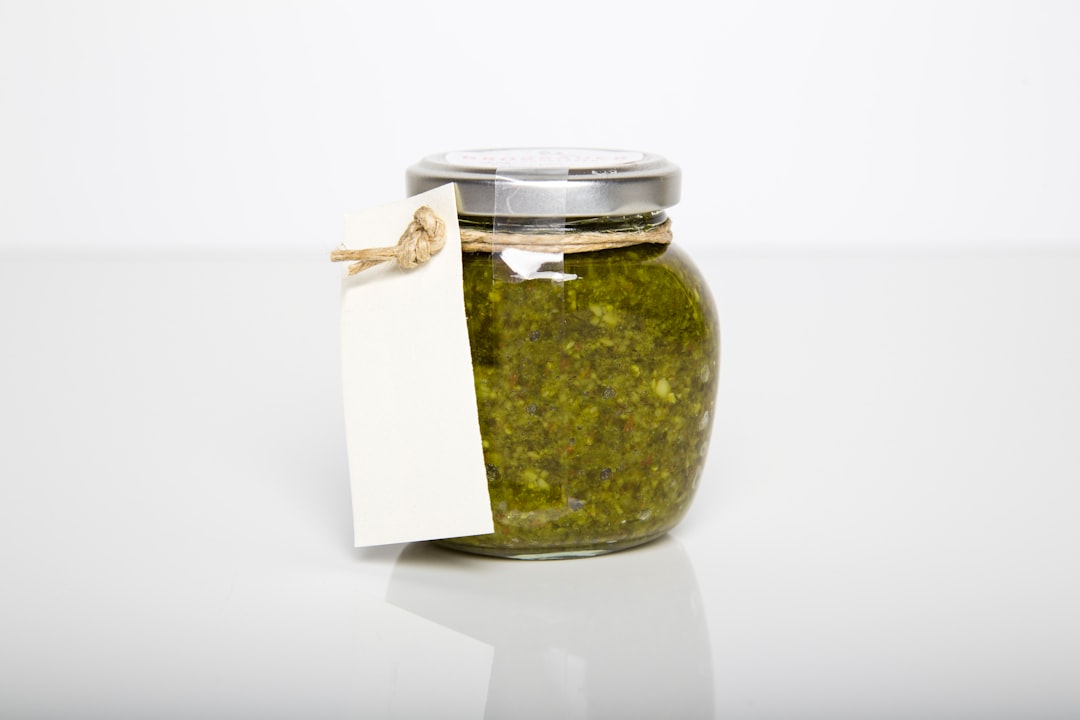
Classic Italian sauce pesto (Pesto alla Genovese) is traditionally made with the following fresh ingredients:
Essential Ingredients of Pesto Sauce
- Fresh Basil: Forms the base of the sauce, its fresh aroma, and characteristic green color.
- Pine Nuts: Adds a subtle nutty flavor and texture to the sauce. Sometimes walnuts or cashews can be used as alternatives to reduce cost.
- Parmesan and/or Pecorino Cheese: High-quality, hard Italian cheeses add saltiness, umami, and an intense flavor to the sauce.
- Garlic: Provides a slight pungency and depth.
- Extra Virgin Olive Oil: Binds all ingredients and allows it to become a creamy, fluid sauce. The quality of the olive oil directly affects the flavor of the sauce.
- Salt and Black Pepper: Used for seasoning (salt is usually added carefully as cheese is already salty).
Origin of the Name Pesto and Traditional Preparation
It takes its name from the Italian word pestare, meaning to crush or pound. Traditionally, these ingredients are slowly crushed in a marble mortar with a wooden pestle, but nowadays, it can be prepared much more practically with a food processor.
The Historical Journey of Pesto Sauce
The discovery of pesto sauce is not a serendipitous finding made by a single person overnight, but rather the result of centuries of cultural and gastronomic evolution. With roots extending back to Ancient Rome, this sauce took its final form as we know it today in the Ligurian region of Italy (especially Genoa).
Here are the milestones in the historical journey of pesto sauce:
-
Ancient Roman Period: Its First Ancestor “Moretum”
The oldest known ancestor of pesto is a paste called moretum, frequently consumed by the Ancient Romans. Romans would pound garlic, salt, hard cheese, various greens (usually coriander, parsley, or celery leaves), olive oil, and vinegar in a mortar to form a paste and eat it with bread. The preparation of this rustic paste is even mentioned in the poems of the famous Roman poet Virgil. -
Middle Ages: The Sailors’ Savior “Agliata”
By the Middle Ages, a garlic sauce called agliata became widespread in powerful maritime republics like Genoa. It was primarily made by crushing garlic, vinegar, olive oil, and walnuts.Genoese sailors would always keep this sauce with them on long sea voyages. Its pungent nature was used both to mask the taste of stale food and to protect sailors from diseases.
-
The Emergence of Basil
Basil (basilico) is not actually a native Italian plant; its homeland is India and Asia. When it reached Europe via the spice routes, Italy’s Ligurian region became a veritable paradise for this plant. The region’s sea breezes, abundant sun, and mild climate allowed basil to grow with a very intense and sweet aroma. Over time, local people began to add these fragrant leaves, which grew abundantly, to their traditional garlic pastes. -
The Birth of Modern Pesto (19th Century)
This mixture, passed down orally and prepared by eye for centuries in homes, gained official status in the 19th century.
The first written appearance of the traditional “Pesto alla Genovese” (Genoese style pesto) recipe as we know it today dates back to 1863. Genoese gastronomist Giovanni Battista Ratto first recorded the modern pesto recipe in his cookbook “La Cuciniera Genovese” (The Genoese Cook).Ratto‘s recipe was identical to today’s classic recipe: Basil, a clove of garlic, grated cheese (Parmesan and Pecorino), and pine nuts pounded in a mortar and bound with plenty of extra virgin olive oil. While walnuts were initially used because they were cheaper, pine nuts eventually became standard due to the refined and smooth texture they imparted to the sauce.
In summary, pesto was born from the perfect harmony of Ancient Rome‘s mortar (mortarium) use culture, Middle Ages sailors‘ spoilage-preventing garlic sauces, and basil which came from the East and loved Italy’s climate.