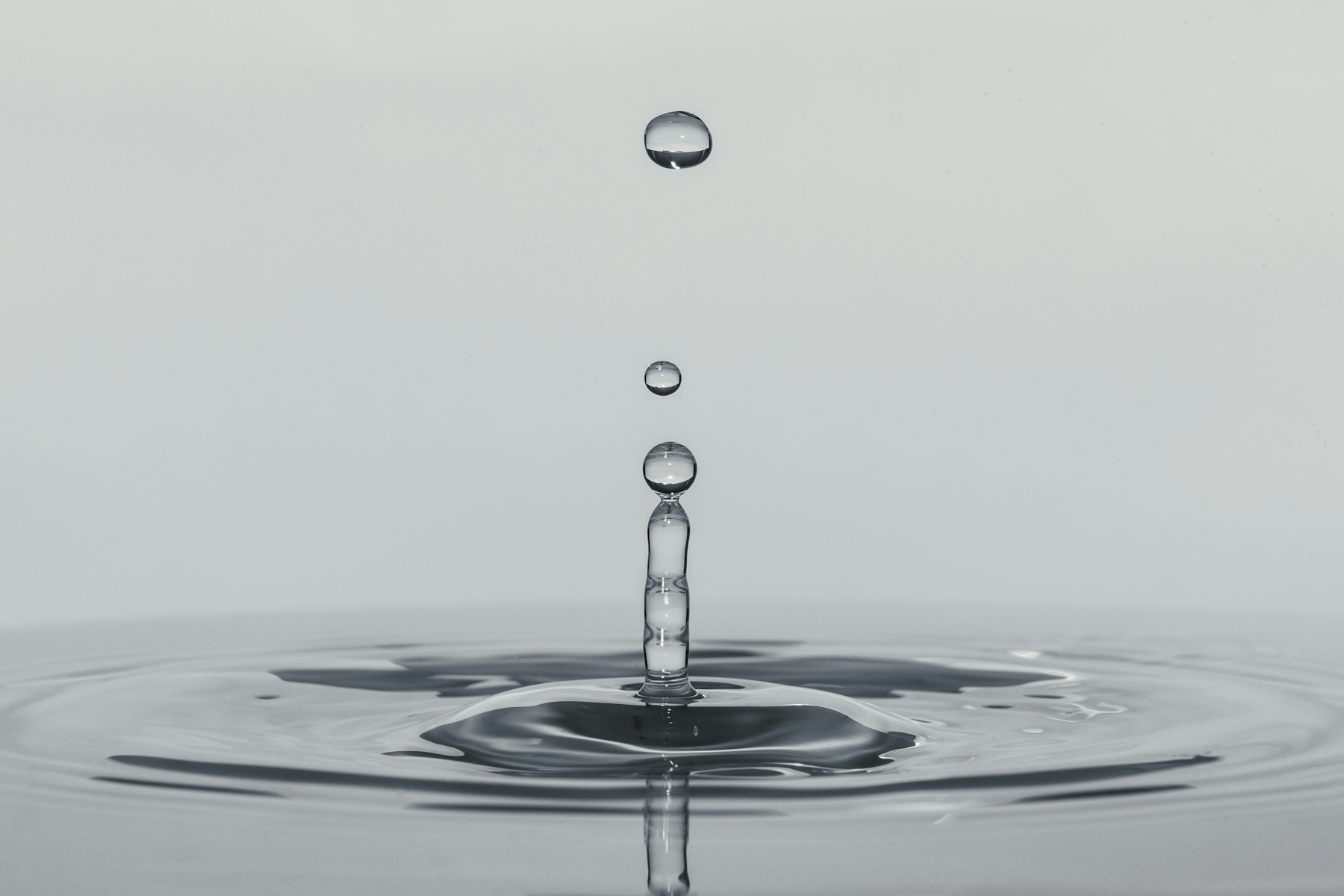
Glycerin (or scientifically glycerol), a simple sugar alcohol belonging to the glycol group, is a colorless, odorless, sweetish, and viscous liquid compound. It can be obtained naturally from plant and animal fats, as well as synthetically produced.
Key Properties and Uses of Glycerin
Glycerin plays a key role as a humectant in many industries thanks to its water-attracting property (hygroscopic):
* Personal Care and Cosmetics: Used in skin care products, soaps, and hand creams to lock in moisture. It prevents skin dryness and provides softness.
* Food Industry: Appears as a moisture retainer, sweetener, and solvent in foods. For example, it improves the texture of ice creams or delays the drying of cakes.
* Pharmaceuticals: Used in cough syrups due to its soothing effect on the throat. It also serves as a carrier substance in suppositories and some ointments.
* Industrial Use: A basic substance in antifreeze production, tobacco humidification, and most notably, in the synthesis of nitroglycerin used in gunpowder manufacturing.
It is not found freely in nature; it is typically released as a result of the hydrolysis of fats in triglyceride form. Today, it is largely obtained as a byproduct, especially during biodiesel production. Although glycerin is generally considered safe, applying pure glycerin directly to the skin can sometimes have an adverse effect, drawing water from the deeper layers of the skin and leading to dryness. For this reason, it is generally recommended to use it diluted with water or other components.
Is it an Aroma Carrier?
Glycerin is an excellent aroma carrier in the food and beverage industry. In fact, it is one of the three most frequently used basic substances in this field, along with alcohol (ethanol) and propylene glycol.
There are several important reasons why glycerin is preferred as an aroma carrier:
Why is Glycerin Preferred?
- Solvent Ability: Because it can mix with water and alcohol in any proportion, it homogeneously encapsulates aroma essences, essential oils, and plant extracts.
- Texture and Volume: It adds a slight density and fullness to liquid aromas. This particularly enhances the “mouthfeel” in beverages.
- Sweetening Effect: Having a slightly sweet profile, it supports the perceived taste of the aroma, but unlike sugar, it does not cause tooth decay.
- Moisture Retention (Stability): By preventing the evaporation of aroma compounds, it helps preserve the product’s scent and taste throughout its shelf life.
Areas of Use
- Pastry and Confectionery: Used as a carrier in concentrated fruit flavors and food colorings.
- Beverages: Ensures the even distribution of aroma within liquids in syrups and some alcoholic/non-alcoholic beverages.
- Electronic Cigarette Liquids: Used as a primary component (VG – Vegetable Glycerin) to carry aroma essences and increase vapor density.
- Herbal Extracts (Glycerites): Preferred as a solvent for extracting the active ingredients and aromas of plants (maceration) for those who wish to avoid alcohol.
A Comparison
Alcohol (ethanol) delivers aroma very quickly but has a sharp scent. Glycerin, on the other hand, provides slower delivery but presents the aroma in a softer and more lasting way.
Use in Gastronomy and Cocktail Syrups
Adding glycerin to homemade syrups (e.g., simple syrup or fruit syrups) yields the following results:
1. Texture and Viscosity: Imparts a denser, silky, and “rich” consistency to the syrup. In cocktails, it enhances the body that clings to the side of the glass.
2. Prevents Crystallization: Prevents the formation of sugar crystals (granulation) that occur over time in high-sugar syrups.
3. Brightness: Makes the syrup look brighter and more appealing.
4. Low Freezing Point: If you store the syrup in the freezer, glycerin lowers its freezing point, allowing the syrup to remain fluid even at very cold temperatures.
Related reading
 Drinks & foodsThe Functional Role of Foam in Cocktails
 ScienceSmoking Painters Have Better Sense of Smell Than Non-Smokers
 Drinks & foodsWhat is Umami?
 HistoryHistory of Isparta Rose Cultivation
 Drinks & foodsWhy Does Olive Brine Not Taste Like Olives?
 Drinks & foodsShould Cheddar Sauce Be Consumed Hot or Cold?
 ScienceDoes Smelling Flowers Develop Our Brain?
 Culture & ArtScent Chess: A Sensory Experience
Read more · Drinks & foods
 Have You Ever Tried Olmeca Dark Chocolate?
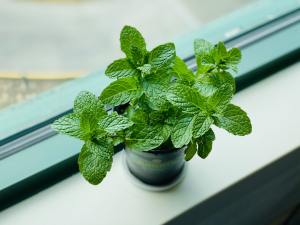 What Region Does Mint Belong To?
 Did the First Restaurant Chef Rules Emerge from France?
 From French Cuisine to Mongols; Steak Tartare
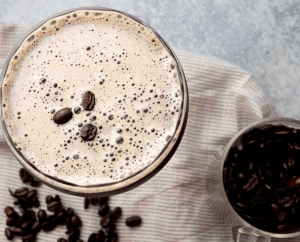 Why Are There Three Coffee Beans in an Espresso Martini?
 Are Peanuts Eaten with Beer? The Indispensable Part of Pub Culture
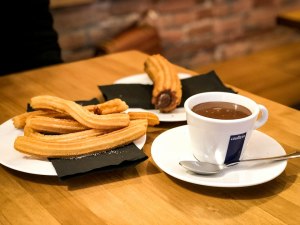 Have You Ever Eaten Churros?
 Kauai Island; Taro, Hawaii, Vodka
 Application of Roll Technique in Cocktails
 Why Is the Old Fashioned Glass and Cocktail Called Old Fashioned?
 What is called “bitter”?
 Swedish Meatballs and the Ottomans
Leave a Reply