Who is Astor Piazzolla?
Astor Piazzolla (March 11, 1921 – July 4, 1992) was an Argentine tango composer, bandoneon master, and arranger. He created the “Nuevo Tango” (New Tango) movement by blending traditional tango with jazz and classical music elements, becoming the most important figure to move tango from dance halls to concert stages.
Musical Style and “Nuevo Tango”
Piazzolla’s music initially met with strong resistance from traditional tango artists and audiences of his time but gradually gained worldwide acceptance. The fundamental characteristics of his style include:
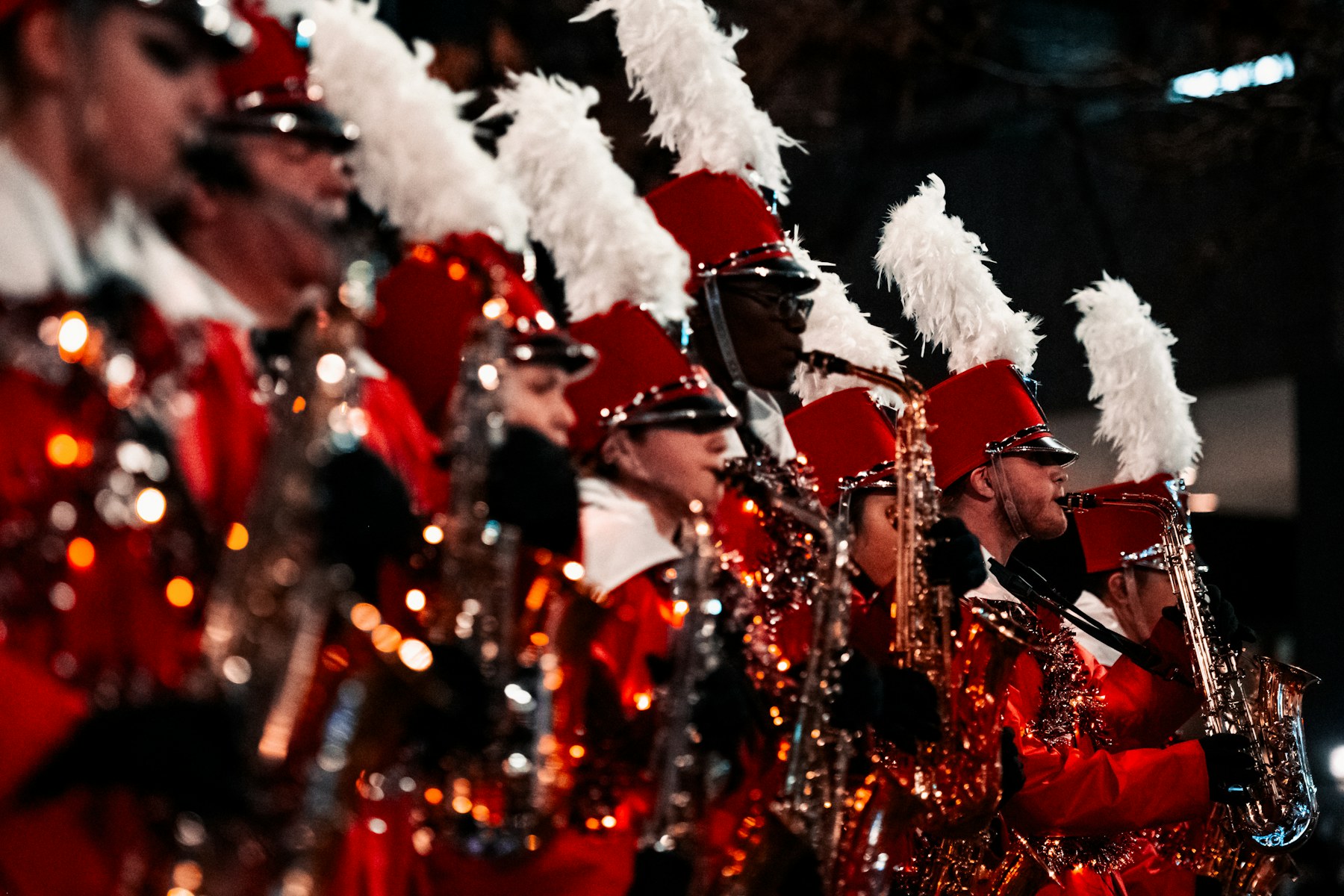
- Instrumental Diversity: Unlike traditional tango orchestras, he integrated instruments such as electric guitar, saxophone, drums, and synthesizer into tango.
- Harmonic and Rhythmic Innovations: He adapted the improvisational structure of jazz and the complex harmonic rules and fugues of classical music (especially the influence of Bach) to tango.
- Concert-Oriented: His works were composed to be listened to and performed as artistic pieces, rather than for dancing.
Most Famous Works
Piazzolla produced countless works throughout his career. Some of his most globally recognized compositions include:
- Libertango: A work that combines the words freedom (libertad) and tango, serving as the manifesto of the Nuevo Tango movement.
- Adiós Nonino: Composed in 1959 upon the death of his father, it is one of his most emotional and structurally powerful works.
- Oblivion: Known for its cinematic and melancholic structure, it is a popular composition adapted for many different instruments.
- Estaciones Porteñas (The Four Seasons of Buenos Aires): A four-part series that pays homage to Vivaldi’s “The Four Seasons” and describes the seasons of Buenos Aires.
Career Milestones
- Childhood and Youth: He spent his childhood in New York, where he was introduced to jazz and classical music. His father bought him his first bandoneon at a young age.
- Education: He studied in Paris with the legendary classical music teacher Nadia Boulanger. Boulanger advised Piazzolla to abandon classical music forms and return to his roots: tango and the bandoneon.
- Groups: Throughout his career, he founded various music groups that performed his innovative vision, such as Octeto Buenos Aires and Quinteto Tango Nuevo.
Getting into Trouble Because of Tango
Astor Piazzolla was literally declared a “cultural traitor” and “Tango Killer” in his home country, Argentina, for changing tango and creating “Nuevo Tango.”
The difficulties he faced during that period can be summarized as follows:
- Physical Threats and Street Reaction: Piazzolla was subjected to verbal and physical harassment while walking the streets of Buenos Aires. Anecdotes of people spitting on him and Argentine taxi drivers refusing to pick him up when they recognized him are well-known. He was even threatened with death on the radio or in the streets by fanatics who criticized his music.
- Media and Radio Boycotts: Traditional tango masters, dancers, and radio programmers absolutely refused to play his music. His work was characterized as “not tango, but noise and decadence.” The Argentine media of the period adopted a very harsh stance against him.
- Social Exclusion: Tango in Argentina was not just a music genre; it was an untouchable symbol of the working class, melancholy, and national identity. Piazzolla’s addition of electric guitar, drums, or playing with jazz rhythms to this traditional structure was perceived as an insult to national values and something sacred.
Conclusion and Confrontation
Due to these severe pressures, exclusion, and the constant need to defend himself, Piazzolla could not remain in Argentina and was forced to spend a significant part of his career in Europe (especially Italy and France).
However, he never compromised his musical vision. He refused to back down and continued to develop his style. This “Nuevo Tango” style, which initially got him into significant trouble, first brought him great fame in Europe and then worldwide. When the world began to applaud him as a musical genius, the Argentine people and traditionalists also had to accept him and respect his legacy.
Related reading
 HistoryThe Periods of Che Guevara’s Memoirs
 Culture & ArtChet Baker: Prince of Jazz
 HistoryWas Mozart poisoned?
 Culture & ArtCanvas Brands Used by Van Gogh
 HistoryMarco Polo: Venetian Explorer and Traveler
 ScienceShazam’s Presence in Our Lives Since 1999
 Drinks & foodsHave You Ever Tried Olmeca Dark Chocolate?
 Culture & ArtHotel California Song and Its Legends
Read more · Culture & Art
 Scent Chess: A Sensory Experience
 Malbrona’s Birth as a Women’s Cigarette
 Batman Alley in São Paulo
 Recent Events in France
 The Curious Case of Buttons: Why Men’s and Women’s Shirts Differ
 The Tradition of Toasting: Why Do We Say ‘Cheers!’?
 The History and Cultural Meanings of Hair Braiding
 Radiohead and Aphex Twin: A Musical Bond Evolving at the Borders of Electronic Music
 The Historical Perception of Blondness: From Prostitution to Divinity
 Beyond Craft: Giotto and the Birth of the Artist
 The Crossed Fingers Secret: Why Do We Cross Our Fingers for Luck?
 The Grand Egyptian Museum: The World’s Largest Archaeological Museum Dedicated to a Single Civilization
Leave a Reply