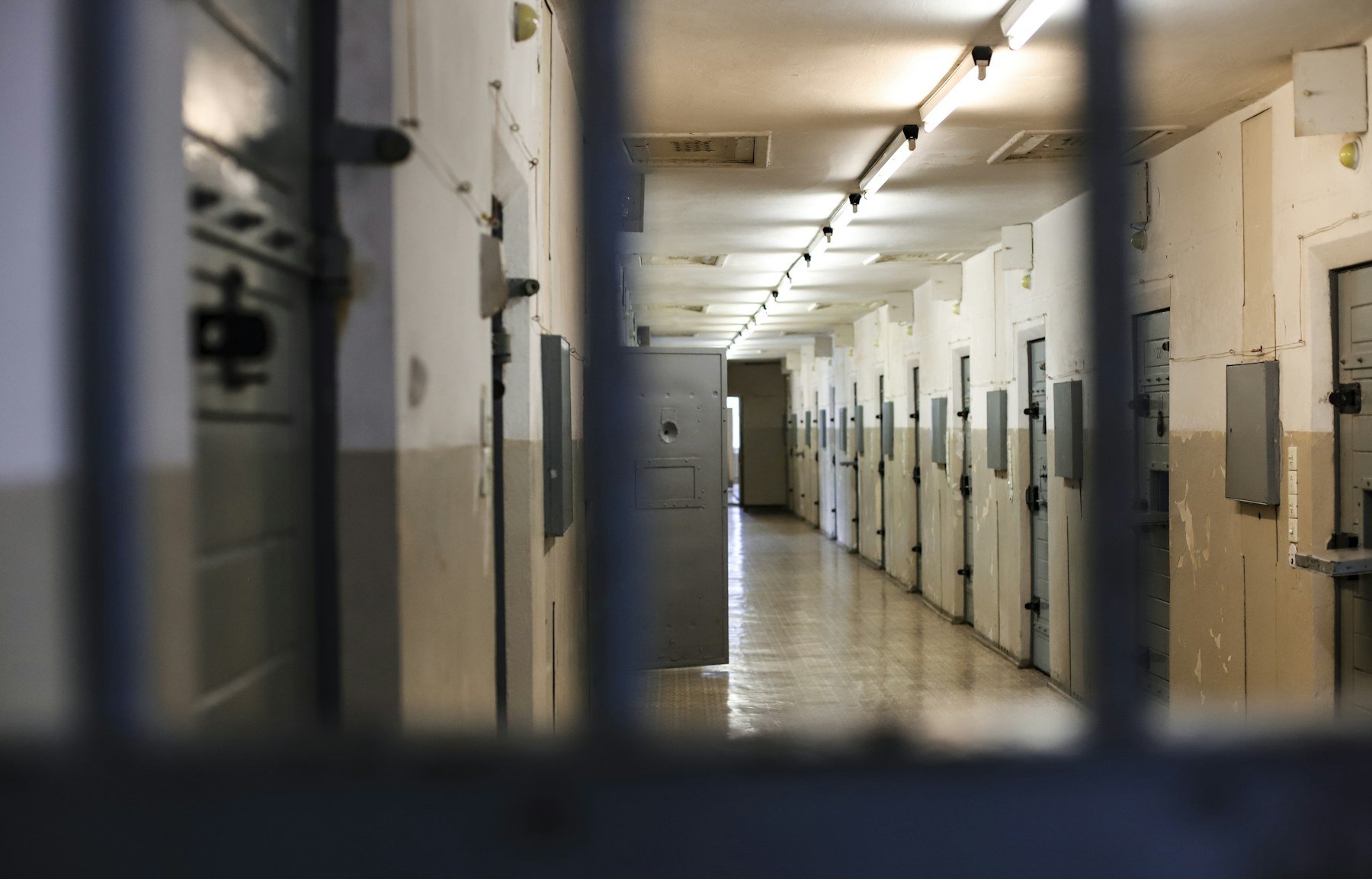
There are private prisons in the USA, but not all prisons are private. A large majority of inmates reside in public facilities directly managed by states or the federal government. However, prisons operated by private for-profit companies (GEO Group, CoreCivic, etc.) also form part of the system. Approximately 8% of the total inmate population in the USA is held in correctional facilities operated by private companies. According to 2023 data, 28 states utilize private prisons in their correctional systems, while 22 states (e.g., California, New York, Massachusetts) do not use this system at all. In some exceptional states like Montana, almost half (48.7%) of the inmates are held in private facilities. Unlike judicial inmates, a very large majority (estimated 79%) of individuals in immigrant detention centers used by the Department of Homeland Security (DHS) are still held in private company facilities. With a presidential executive order signed in 2021, the renewal of contracts between the Federal Bureau of Prisons (BOP) and private correctional facilities was halted, and as of the end of 2022, the use of private prisons for federal judicial inmates has largely ceased.
History of Private Prisons
In the history of the USA, the vast majority of modern prisons were never fully under the control of private companies. The widespread perception today that “US prisons are private” is not due to the system being predominantly private in the past, but rather due to the controversies and media visibility created by an industry that emerged after the 1980s.
The Genesis of Modern Private Prisons
The modern private for-profit prison industry is quite new; it emerged in 1983 (with the establishment of the company known today as CoreCivic). In the 1980s and 90s, when the inmate population exploded due to the “War on Drugs” policies and harsh sentencing laws in the USA, state-owned facilities became insufficient, and states began entering into contracts with private companies.
The Core Reason for the Perception
Even at their peak, private prisons never exceeded 10% of the total inmate population. However, the fact that these companies are traded on the stock market, make millions of dollars in lobbying expenditures to politicians, and have a financial interest in “more people being incarcerated or held for longer” to make a profit has drawn significant backlash. Because popular culture, films, and documentaries focused on this moral and legal distortion, an illusion was created that the entire correctional system was in the hands of private companies.
Historical Exception (Convict Leasing System)
While different from modern prison operations, there is a dark past in US history where the correctional system was handed over to the private sector. After the Civil War in 1865, when slavery was abolished, the “Convict leasing” system was implemented, especially in the Southern states. The state leased inmates (the overwhelming majority of whom were former enslaved Black individuals arrested for fabricated crimes like “vagrancy“) as laborers to mining companies, railway contractors, and large plantation owners. Until it was completely banned in the first half of the 20th century, this practice was the most common and deadliest system where the private sector profited from inmates.
Private Prisons Today
The for-profit private prison industry (especially large companies like CoreCivic and GEO Group) continues to operate as a multi-billion dollar market in the USA.
The current situation today is as follows:
- State Prisons: Around 28 states continue to hold their inmates in correctional facilities operated by private companies due to capacity shortages or cost considerations.
- Immigrant Detention Centers: Today, the largest and most profitable area for private prison companies is the immigration system. The Immigration and Customs Enforcement (ICE) unit holds a large majority of detained or deportee-awaiting immigrants in these private company facilities.
- Federal Judicial Inmates: Only in this category has usage largely ceased. The Department of Justice has not renewed contracts with private companies for judicial inmates serving sentences for direct federal crimes. However, this limitation does not cover state-level decisions or ICE’s immigrant detention centers.
- Prison Labor (Inmate Labor): Although the historical “convict leasing” system is illegal, the practice of inmates working in prison industries, on agricultural lands, or in risky jobs like fighting forest fires for a few cents an hour (sometimes completely unpaid) continues today. This situation is considered legal, based on a constitutional loophole in the 13th Amendment of the US Constitution, which prohibits slavery but makes an exception for those “convicted of a crime“.
Impact of Private Prisons on Crime Rates
The existence of private prisons has not reduced overall crime rates; on the contrary, it has created statistically and socially negative effects on recidivism and incarceration rates. Research indicates that this for-profit system serves the financial growth of the industry rather than crime prevention.
Its reflection on the justice system and crime statistics can be grouped into three main categories:
- Controversy in Recidivism Rates: While some limited past research suggested that private prisons might reduce recidivism, the prevailing and current view in scientific literature shows the opposite. Comprehensive studies reveal that the likelihood of individuals released from private facilities re-offending is either no different or higher (up to 20% according to some data) compared to those released from state prisons. The primary reason for this is that companies cut corners on education, vocational training, psychological support programs, and expert staff expenses to keep profit margins high. Inmates released without rehabilitation are much more prone to committing crimes upon returning to society.
- Artificial Increase in Incarceration Rates: For private prisons to be profitable, their “bed capacities must be full”. Many state contracts contain clauses where the state provides a “occupancy guarantee” of 90% to 100% to the private company (meaning the state pays a penalty if beds remain empty). According to National Bureau of Economic Research (NBER) studies, when a new private prison opens in an area and has empty bed capacity, the prison sentences given by judges to defendants statistically lengthen until the facility is full. In other words, even if the crime rate does not increase, sentences for existing crimes are made harsher to keep the system full.
- “Kids for Cash” Scandal: The darkest example of how the for-profit system can manipulate incarceration rates emerged in Pennsylvania in 2009. Two district judges (Mark Ciavarella and Michael Conahan) received $2.8 million in bribes from a private juvenile detention facility company, finding thousands of children guilty of very minor misdemeanors like “fighting at school” or “mocking the school principal on social media” and confining them to these private facilities. This event was the most concrete proof of how “guilty” statistics could be artificially created by the judiciary to fill the beds of private facilities.
Related reading
 HistoryEugenics: From America to Nazi Germany
 Culture & ArtMalbrona’s Birth as a Women’s Cigarette
 ScienceScientific Ethical Rules Need Updating
 HistoryThe Radio Broadcaster Who Tried to Demoralize American Soldiers During the Vietnam War and Other War Stratagems
 ScienceWhat is the Human Development Index?
 HistoryIs Monaco a Country?
 Life & HealthRoseto Town; No Deaths from Heart Attack Under 55
 Culture & ArtHotel California Song and Its Legends
Read more · Culture & Art
 A Short Trip to Spain; Tapas, Siesta, Barcelona
 The Eras Tour & The Swiftie Phenomenon: A Cultural Anatomy of Collective Ecstasy
 Is the Movie Before Sunrise a True Story?
 The Cultural History of Knots: Threads of Meaning, from Practicality to Symbolism
 Beyond Craft: Giotto and the Birth of the Artist
 Why Do We Say “Cheese” for Photos? The Curious History of a Smiling Command
 Sentence Reduction for Prisoners by Reading Books in Brazil
 The Ancient Language of Silence: A Cross-Cultural Journey
 What is Route 66 That We Hear Everywhere?
 The Grand Egyptian Museum: The World’s Largest Archaeological Museum Dedicated to a Single Civilization
 The Big Secret: There is No “Chinese” Language
 Batman Alley in São Paulo
Leave a Reply