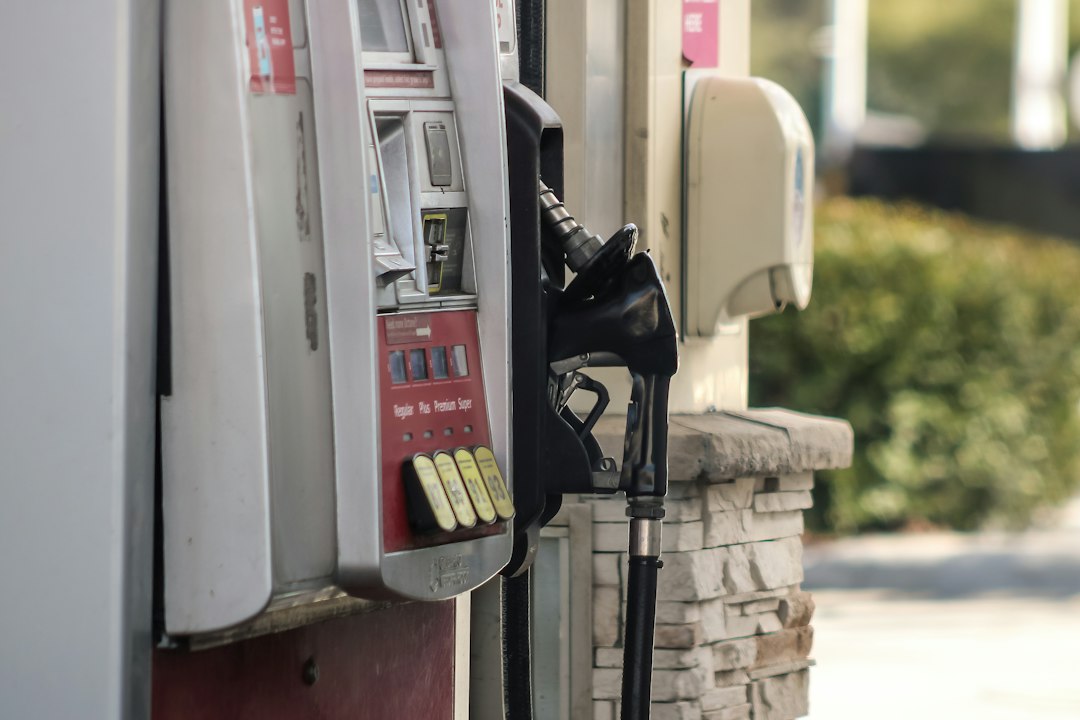
There are small volumetric differences between fuel taken at night and fuel taken during the day, but the benefit it provides in terms of mass (energy content) practically does not change.
Fuel and Temperature Relationship
Fuel is directly affected by temperature changes because it is sold in liquid form. As the temperature increases, the liquid expands, its volume grows but its density decreases. When the temperature drops, the liquid contracts, its volume shrinks but its density increases.
Fueling During the Day (Hot Hours)
During the day (hot hours): When the air and ground temperature are high, the fuel in underground tanks also expands a little. During this period, the volume of fuel you pump into your vehicle is larger, but the number of molecules (amount of energy) contained in the same volume of fuel is less because its density has decreased.
Fueling At Night (Cool Hours)
At night (cool hours): In the night hours when the air temperature drops, the fuel contracts and its density increases. The volume of fuel you take at these hours is smaller, but because its density is higher, it contains more energy in the same volume.
Is There Really a Difference?
At gas stations worldwide, pumps are calibrated according to a 15°C standard reference temperature or large storage tanks have temperature compensation systems. However, since the underground tanks at stations are already underground, they are not sharply affected by sudden changes in external air temperature during the day. For this reason, there is no perceptible, economic difference in terms of vehicle fuel consumption or range between fueling at night or during the day.
A small volumetric expansion or contraction occurs, but this situation does not change the total amount of energy of the fuel; because as volume increases, density decreases, and as volume decreases, density increases.
Since the fuel in underground tanks is largely isolated from the instantaneous external air temperature, the temperature difference between night and day is not directly and suddenly reflected in the fuel inside the tank. Therefore, taking fuel at night or during the day practically makes no difference.
Leave a Reply