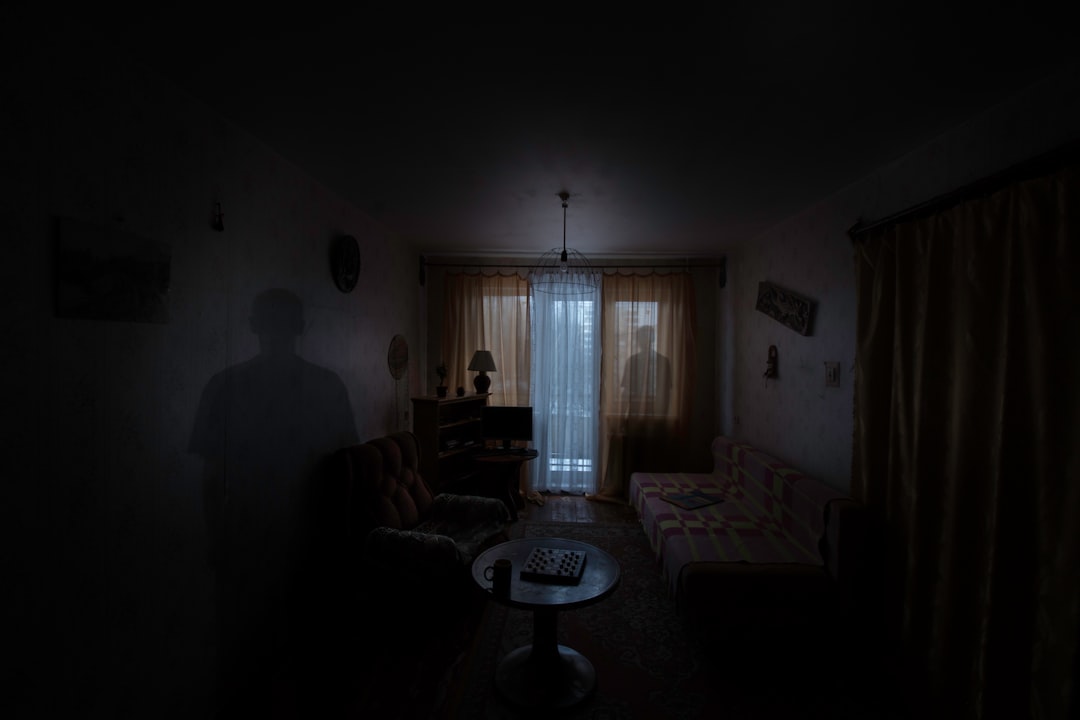
Although fear is a biological mechanism, its mode of operation can be described as an advanced survival simulation. The mind constructs a danger that has not yet occurred “as if it were real” and makes the body react according to this scenario.
This situation can be examined in several different dimensions:
1. Neurological Simulation
Our brain processes data from the outside world not as it is, but with its own interpretation. When the amygdala perceives a threat, whether it’s a real physical attack or just a thought, the body gives the same “fight or flight” response. At this point, the brain initiates an internal simulation to protect the body; your heart rate speeds up, your muscles tense, and your perception of reality narrows.
2. Sociological and Evolutionary Perspective
Fear serves as a “learning simulation” in the evolutionary process. As thinkers like Yuval Noah Harari emphasize, humanity’s ability to create fiction (myths, stories, imaginary dangers) has been effective in maintaining social order. The fear in a community that “if you don’t obey the rules, this will happen to you” creates an artificial security simulation that keeps society within certain boundaries.
3. Philosophical View: Fear and Reality
Fear is often based on past traumas or future uncertainties. In the present moment, there is rarely “fear“, only “action“. Fear is the mind leaving the present moment and playing out potential catastrophe scenarios like a simulation. In this context, fear is not reality itself, but a distorted shadow of reality.
4. “Artificial” Fears in the Modern World
Today, our fears are no longer limited to predatory animals. Fears such as social rejection, failure, or digital isolation are new layers of simulation that our mind adapts to modern living conditions. Sometimes this simulation becomes so dominant that the individual detaches from reality and starts living within their self-created fear scenario.
In summary: Fear is like a software that the mind runs in advance to prevent potential pain. It is useful, but if the simulation becomes larger than reality, the efficiency of the system (the mind) can decrease.
Related reading
 Culture & ArtThe Most Important Factor in the Development of Civilization; Gossip Theory
 Culture & ArtHave You Heard of Lacan’s Theory of Fantasy?
 ScienceThe Enigma of Deja Vu
 Life & HealthIs the Appendix a Forgotten Organ?
 ScienceWhy Are Zebras Striped Black and White?
 ScienceAre Men More Shy Than Women?
 ScienceThe Incredible Escape Reflexes of Rabbits
 ScienceWoman Spent 500 Days in a Cave for Research
Read more · Science
 How Did Religion Emerge?
 Does Smelling Flowers Develop Our Brain?
 How Does Coffee Change Touch Perception?
 Ozone Smell, Pre-Rain Scent
 What is Pesticide, Which We Constantly Hear About?
 What is the Human Development Index?
 How Cats Analyze the Wind
 Is the Alcoholism Gene Real?
 Global Heatwaves and the Rhythm of Life: As Urban Cultures Transform
 Is Fuel Taken at Night More Beneficial?
 The creation of the world’s first webcam to monitor coffee
 Self-Healing Concrete with Bacteria
Leave a Reply