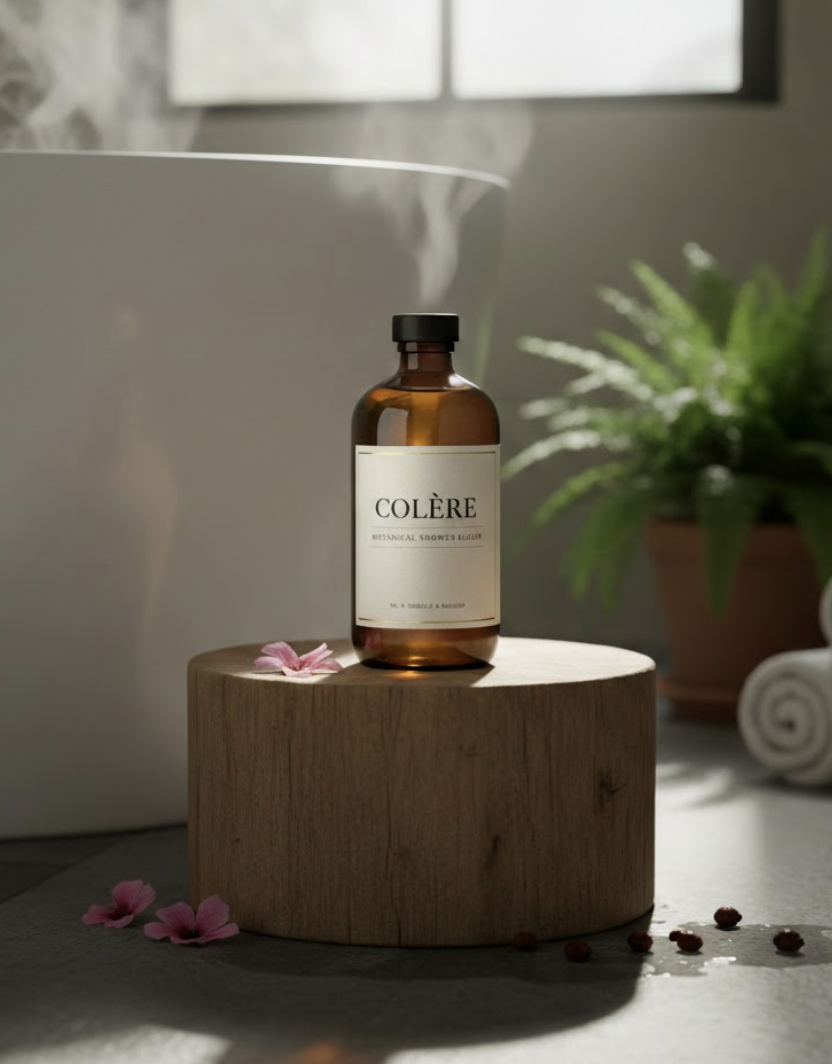
We’ve all been there. You step into the shower, and the steam carries a divine aroma—notes of sandalwood, citrus, or perhaps a fresh sea breeze. It’s an immersive, sensory experience. But the moment you towel off, that scent vanishes as if it were never there. Why does the most captivating part of our morning ritual have such a short half-life?
The answer lies at the intersection of molecular chemistry, skin biology, and the art of formulation.
1. The Physics of Steam and “Top Notes”
The primary reason shower gels smell so intense in the bathroom is the evaporation effect. Hot water and steam act as a catalyst, launching scent molecules into the air and creating a concentrated “aroma cloud” in a confined space.
However, shower gels are predominantly formulated with Top Notes—light, volatile molecules like citrus, herbs, or light florals. These are designed to provide an immediate “burst” of freshness. Unlike fine fragrances, they lack the heavy Base Notes (such as musk, amber, or resins) required to anchor the scent to the skin for hours.
2. The Conflict of Cleansing
At its core, a shower gel is a functional product designed to clean. It contains surfactants—molecules that trap dirt and oils so they can be rinsed away. Unfortunately, these surfactants are highly efficient; when you rinse the lather off, they take about 90% of the fragrance molecules down the drain with them. What remains on your skin is often below the “olfactory threshold” needed for others (or even you) to smell it.
3. The Skin Barrier: Hydration vs. Volatility
Fragrance needs a “landing pad” to stay active. If your skin is dry, it acts like a sponge, absorbing the moisture but allowing the scent molecules to evaporate almost instantly. On the other hand, well-hydrated or naturally oily skin creates a lipid film that traps those molecules, slowing down their departure into the air.
How to “Anchor” Your Scent: The Art of Layering
If you want that post-shower freshness to last until your evening cocktail, forget the DIY hacks of mixing gel into petroleum jelly. Instead, turn to the professional method: Scent Layering.
The Moisture Seal: Apply an unscented body lotion or oil while your skin is still slightly damp. This creates a synthetic sebum layer that “grabs” any remaining fragrance molecules.
The Anchor Point: Use a body mist or perfume with similar notes over your moisturizer. The lotion acts as a primer, significantly increasing the longevity of the scent.
Temperature Control: Excessively hot water strips your skin’s natural oils, making it harder for scents to stick. Lukewarm water keeps your skin’s “grip” intact.
Final Thoughts
A shower gel is an experience, not a perfume. It’s a fleeting therapy designed for the moment. To make that moment last, we must treat our skin like a canvas: it needs to be properly primed before the art of fragrance can truly stay.
Leave a Reply