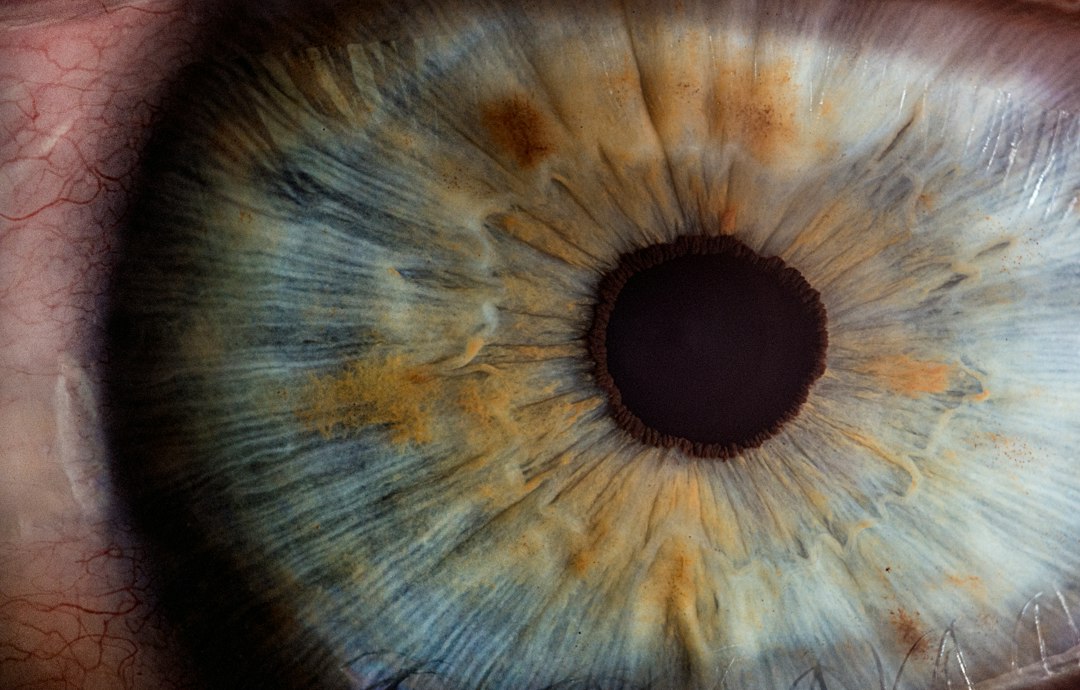
The eye structure of East Asians is actually the result of a biological adaptation. At the core of this situation, rather than “slantedness,” lies a layer of skin called the epicanthic fold on the upper eyelid.
Evolutionary Reasons for Eye Structure
Here are the evolutionary reasons for this structure:
-
Protection Against Harsh Climate Conditions
The most scientifically accepted theory is that this eye structure is a defense mechanism developed thousands of years ago by people living in extremely cold, windy, or very brightly lit areas (like snow reflection).- Protection from Cold: This extra fatty tissue in the eyelid isolates the eye and tear duct against freezing cold.
- Protection from Light: The narrow eye structure acts as a kind of “natural sunglasses” by preventing intense UV rays reflected from snow or sand from entering the eye.
-
What is an Epicanthic Fold?
This skin fold, covering the inner corner of the eye (the side towards the nose), causes the eye to appear narrower or “slanted.” In reality, the eyeball structure of these people is the same as ours; only the skin covering it is different. -
Is it Only Found in Chinese People?
No, this structure is not only found in Chinese or Asian people. It might be surprising, but:- Eskimos (Inuit),
- Native Americans,
- And even some tribes in Africa (Khoisan people) have this eye structure.
This shows us that this feature could develop independently in different geographies to adapt to similar harsh conditions.
The dark skin color of black people is entirely related to a pigment called melanin and an evolutionary protective mechanism spanning thousands of years.
Scientific Explanation of Dark Skin Color
We can summarize its functioning as follows:
-
Melanin and Sun Protection
The melanin pigment found in human skin is the substance that gives our skin its color. The more melanin, the darker the skin. Melanin’s most important task is to absorb harmful ultraviolet (UV) rays from the sun and prevent these rays from damaging cells in the lower layers. -
Equatorial Adaptation
In regions like Africa, the origin of humanity, where sun rays are very direct and strong, having dark skin was a great advantage for survival.- Folate Protection: Too much UV radiation reduces the level of folate (Vitamin B9) in the body. Folate is critical for healthy reproduction and cell division. Dark-skinned people protected their folate levels by using melanin as a shield, thus enabling them to continue their lineage.
- Skin Cancer: Dark-colored skin provides natural resistance against sunburns and skin cancer.
-
Why Isn’t Everyone Black?
As people migrated north to regions with less sun, the situation began to reverse.
The body needs some UV light to synthesize Vitamin D.
In regions with less sun, dark skin blocked too much sunlight, leading to Vitamin D deficiency.
Therefore, in communities that went north, skin color evolved over thousands of years to lighten, allowing for greater utilization of sunlight.
In summary
Skin color is a biological “setting.” Because our ancestors lived in very sunny places, their bodies maximized their “sun filter” (melanin) to protect them.
Leave a Reply