The Cultural History of the Clock: From Sundials to Digital Displays
Time, an abstract concept, governs nearly every aspect of human existence. From the rhythmic cycle of days and seasons to the precise scheduling of our modern lives, our perception and measurement of time have profoundly shaped cultures, economies, and personal experiences. The clock, in its myriad forms, is more than just a device; it’s a testament to humanity’s enduring quest to understand, control, and synchronize with the flow of existence.
The Dawn of Timekeeping: Nature’s Rhythms and Early Inventions
Before the invention of mechanical clocks, humans relied on natural phenomena: the sun’s position, the moon’s phases, and the changing seasons. Early civilizations developed ingenious methods to formalize this observation. Sundials, perhaps the oldest known device, used shadows to mark the passage of hours. Their dependence on sunlight, however, limited their utility.
Water clocks, or clepsydrae, emerged as a solution for cloudy days and nights, particularly in ancient Egypt, Greece, and Rome. These devices measured time by the steady flow of water from one vessel to another. Similarly, hourglasses used sand, and even marked candles were employed, burning down to indicate specific time intervals. These early tools were often tied to religious rituals, agricultural cycles, and the organization of labor, making timekeeping a communal and often sacred practice. Even then, humans devised methods of record-keeping, sometimes using complex systems like those involving knots to track cycles or events, demonstrating an early desire to formalize and remember the passage of time.
The Mechanical Revolution: Standardizing the Day
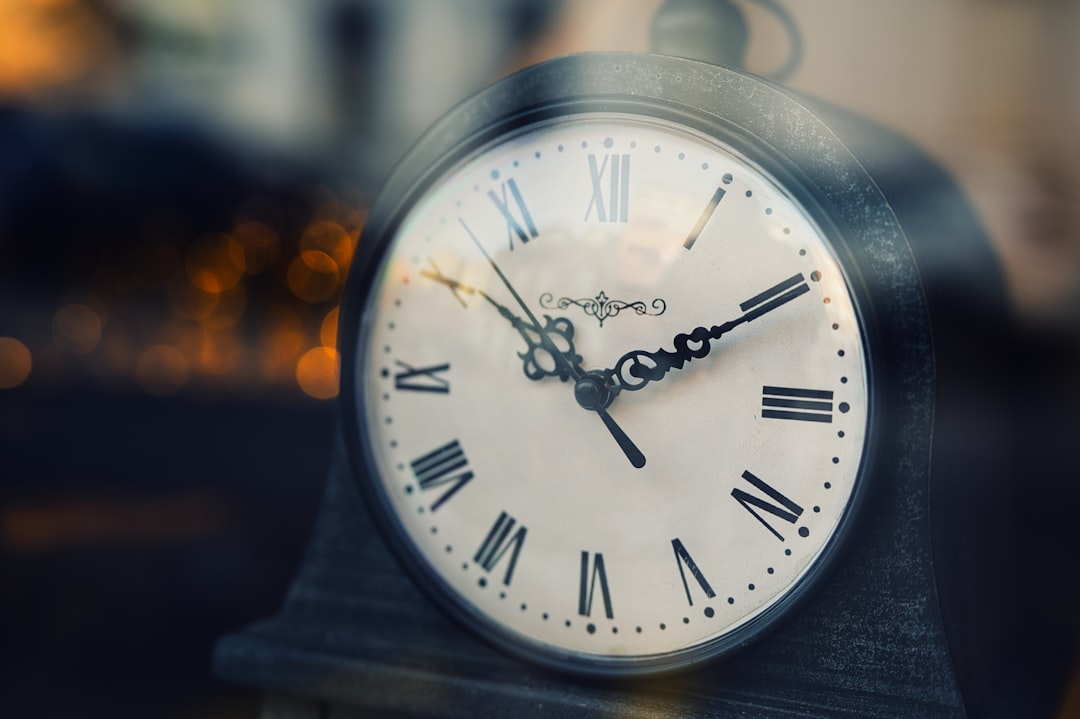
The true revolution in timekeeping arrived in medieval Europe with the invention of the mechanical clock around the 13th and 14th centuries. Initially large, monumental devices installed in church towers and public squares, these clocks provided a new level of precision and, crucially, independence from natural light. Their primary purpose was to signal specific hours for prayer and work, bringing a new order to monastic life and urban centers.
This mechanical innovation shifted society from “task-oriented time” (where work lasted until it was done) to “clock-oriented time” (where work was measured by hours). This standardization was instrumental in the rise of capitalism, industrialization, and the organization of labor. No longer just a convenience, the clock became a symbol of progress, discipline, and power.
Precision, Personalization, and Global Synchronization
The subsequent centuries saw rapid advancements. The invention of the pendulum clock by Christiaan Huygens in the 17th century dramatically increased accuracy. This led to a boom in domestic clocks, making time an intimate part of household life. The 18th century brought the marine chronometer, a vital tool for navigation that allowed ships to accurately determine longitude, effectively shrinking the world and enabling global exploration and trade on an unprecedented scale.
The 19th and 20th centuries democratized time further with the proliferation of pocket watches and later, wristwatches. Time became personal, carried on the body, a constant companion. The advent of railways and telegraphs necessitated further synchronization, leading to the adoption of standardized time zones across nations, cementing the clock’s role in global coordination.
The Digital Age: Time as Ubiquitous Data
Today, time is omnipresent. From atomic clocks that measure time with unfathomable precision to the digital displays on our smartphones, computers, and smart devices, clocks are integrated into the very fabric of our digital lives. Time signals are broadcast globally, ensuring near-perfect synchronization across continents. Our lives are micro-scheduled, every minute accounted for, a stark contrast to the fluid, nature-bound rhythms of our ancestors.
The cultural journey of the clock is a reflection of humanity’s evolving relationship with its environment, its spiritual beliefs, its economic systems, and its relentless pursuit of order and efficiency. From a humble sundial casting shadows to the invisible, hyper-accurate pulses of an atomic clock, the quest to master time continues, shaping who we are and how we live.
Leave a Reply