Why Do We Celebrate Birthdays? A Journey Through Time and Cultures
Every year, we mark a special day on the calendar, celebrating our loved ones, cutting cake, and blowing out candles. Birthday celebrations have become a universal ritual across the globe. But where do the origins of this seemingly simple tradition lie? Why have we continued to celebrate this special day for thousands of years? In this article, we’ll embark on a deep dive into the surprising history and cultural meanings of birthday celebrations, from ancient times to the present day.
Ancient Origins: Appeasing Gods and Spirits
The earliest traces of birthday celebrations can be traced back to ancient Egyptian civilization. However, what was celebrated then was not a birth in the modern sense, but rather the coronation ceremonies of Pharaohs. Coronation days were considered the day a pharaoh ascended to god status, hence seen as the ‘birth’ of their god. In ancient Greece and Rome, the situation was slightly different. The Greeks made round, honey-cake-like pastries dedicated to the moon goddess Artemis, and the lit candles on these cakes mimicked the glow of the moon. The Romans were among the first civilizations to celebrate birthdays as a distinct special day. Grand feasts were held for emperors and nobles, bringing friends and family together. During these periods, it was believed that evil spirits made newborns or individuals on their birthdays more vulnerable, so celebrations and good wishes served as a shield to ward off these spirits.
Christianity and the Rise of Birthday Celebrations
In the early days of Christianity, birthday celebrations were generally frowned upon. This tradition was associated with pre-Christian pagan rituals and was considered contrary to humility. The few birthday celebrations mentioned in the Bible (those of Pharaoh and King Herod) occurring in negative contexts also reinforced this perception. However, over time, this attitude began to change. The commencement of Christmas celebrations for the birth of Jesus, and the emergence of special Christian holidays like saints’ days (their death days often regarded as their ‘birthdays’ into heaven), brought a different perspective to birthday celebrations. In the Middle Ages, kings and nobles continued to celebrate their birthdays with special banquets, but such celebrations were still not widespread among ordinary people.
Modern Birthday Rituals: Cakes, Candles, and Wishes
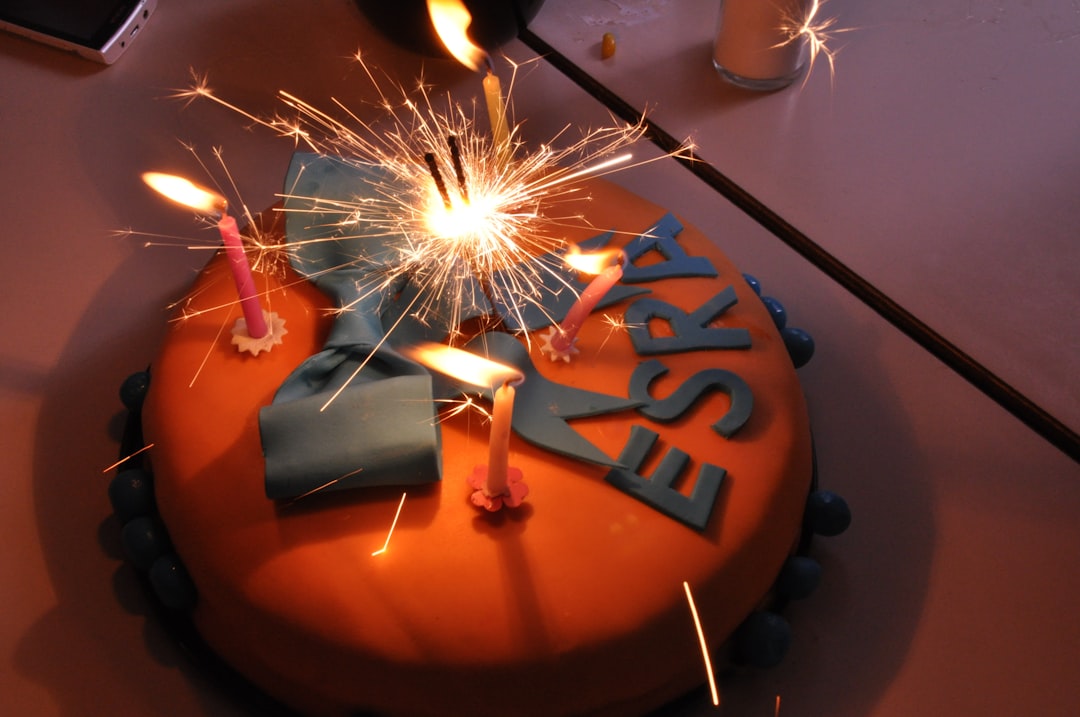
The cornerstones of modern birthday celebrations—cakes and candles—originated from “Kinderfest” (children’s birthday celebrations) in 18th-century Germany. Germans would light a candle to celebrate children’s birthdays, representing the ‘light of life.’ An additional candle would be added for each passing year, and children would make a wish while blowing out all the candles in one breath. The root of this tradition lies in ancient beliefs that smoke carried wishes to the gods. With the Industrial Revolution, sugar and flour became more accessible, leading to the widespread popularity of cakes, and thus, birthday celebrations became popular across all social classes.
Cultural Variations: Is It the Same Everywhere?
Despite the universality of birthday celebrations, different cultures have their unique traditions and rituals. For example, in Korea, a baby’s first birthday, “Doljanchi,” is a grand celebration filled with rituals aimed at predicting the child’s future destiny. In Latin America, young girls’ 15th birthdays are celebrated with a lavish ceremony called “Quinceañera,” symbolizing their transition into womanhood. In North America, “Sweet Sixteen” marks a similar milestone. In some cultures, particularly in East Asia, everyone gains a year in age when the New Year is celebrated; this is a collective aging ritual rather than a personal birthday. This diversity shows that birthday celebrations are not just a date, but also a reflection of cultural identity and societal values. We can also understand the power of social [celebrations](https://colere.blog/es/2026/03/21/el-ritmo-de-la-aprobacion-por-que-apludimos/) from this.
Psychological and Social Significance
Birthday celebrations are a significant milestone for individuals, marking another year gone by and representing growth and change. They reinforce personal identity, making an individual feel valued and remembered by their loved ones. They also serve a social function, strengthening bonds among family and friends, fostering joy and togetherness. They renew hopes for the future and encourage appreciation for every moment, reminding us of life’s transience.
In conclusion, this ritual, which began with a simple cake and a few candles, has a rich history spanning from ancient times to the present day. Birthday celebrations not only mark our age but also reflect humanity’s historical quest for protection from evil spirits, gratitude to gods, and most importantly, the desire to celebrate life itself.
Leave a Reply